The Guadeloupe Islands is a Caribbean getaway you can’t miss—especially now with direct flights from Toronto.
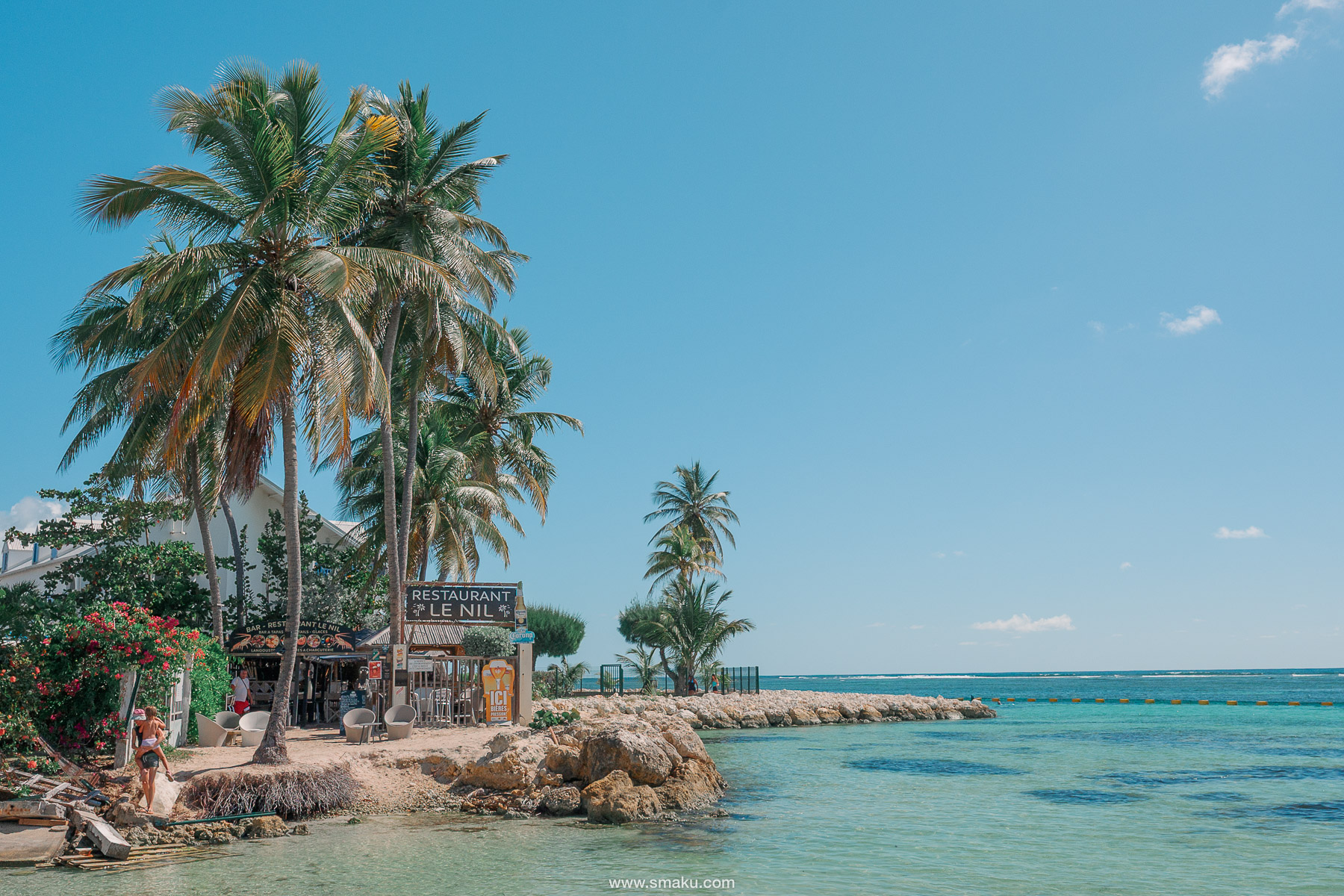
Many people may not be familiar with the islands of Guadeloupe, but if this hidden gem caught your attention and you’re planning your next holiday to this French colony, you’ve come to the right place as I have some tips to consider for your next vacation destination.
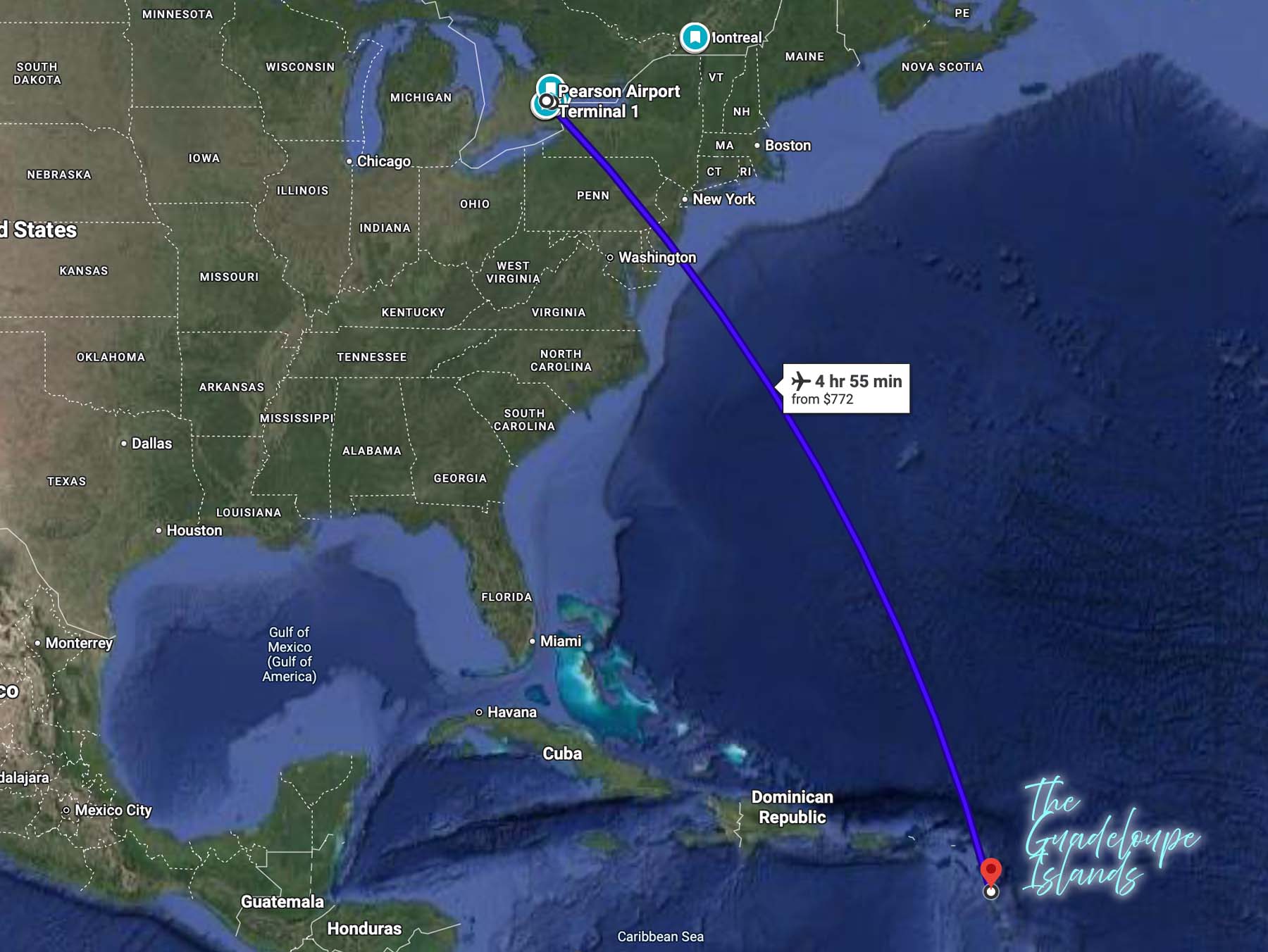
Living in Toronto, Canada, Guadeloupe was never on my radar of places to visit. But thanks to Air Canada’s recent initiative offering direct flights from Toronto Pearson International Airport (YYZ) to Pointe-à-Pitre International Airport (PTP), it immediately came to our attention after seeing a TV commercial on these islands of the Lesser Antilles.
- The Guadeloupe Islands is a Caribbean getaway you can't miss—especially now with direct flights from Toronto.
- Key notes of the Guadeloupe Islands
- Currency
- Language
- Air Canada Vacations
- Car rental
- Driving in Guadeloupe
- Grande-Terre
- Basse-Terre
- Marie Galante
- Terre-de-Haute
- Culinary delights
- Wildlife
- Final Thoughts
Air Canada
Air Canada has always had direct flights from Montreal, Canada to Pointe-à-Pitre, Guadeloupe. The seasonal direct flight from Toronto—I can only assume—is a trial run as they see how popular this flight segment gets to a primarily non-French-speaking population. Please confirm if this direct flight is still available when you start planning.
Key notes of the Guadeloupe Islands
- A French colony located in the Eastern Caribbean Sea
- Comprised of six inhabited islands, and several uninhabited islands
- Official Language: French; Guateloupean Creole spoken by locals
- Currency: Euro (€)
- Five-hour direct flight from YYZ to PTP (as of February 2026)
About this blog post
This blog post won’t go over each of these six islands and what to do on them since there are plenty of information about this on other sites and guides—and I only visited four of the six islands myself. Instead, I’ll share my itinerary along with some key points to be aware of when planning your trip, which will hopefully make your visit to Guadeloupe that much more enjoyable.
The Guadeloupe Islands
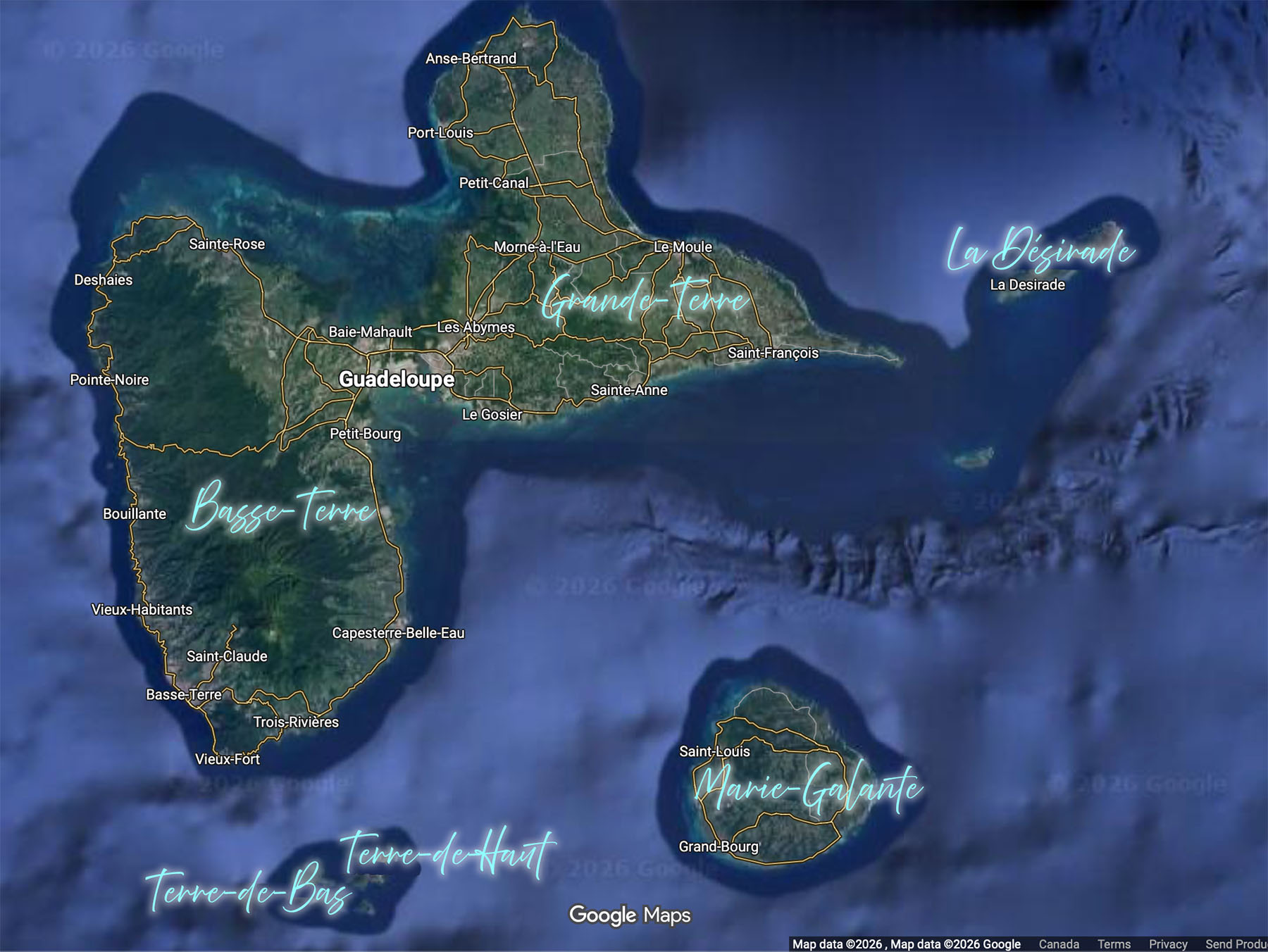
The Guadeloupe Islands, located in the Lesser Antilles in the Caribbean, and forming part of the West Indies, is comprised of six primary islands:
- Basse-Terre: nature-lover’s island with lush landscapes, waterfalls, and hikes
- Grande-Terre: flatter terrain, white-sand beaches
- Marie-Galante: laid back atmosphere, idyllic beaches, and historic sites
- La Désirade: peaceful and authentic, surrounded by rugged landscapes
- The Saintes (Terre-de-Haut and Terre-de-Bas)
- Terre-de-Haut: home to one of the most beautiful bays in the world
- Terre-de-Bas: natural beauty with Creole culture
Each have their own character and charm, making them all worth a visit to get a sense of what Guadeloupe has to offer. Bolded names indicates the islands I visited during my trip.
Grande-Terre and Basse-Terre
Grande-Terre and Basse-Terre together, form the butterfly shape that Guadeloupe is known for. Pointe-à-Pitre, located centrally in between the two islands, is where the airport is.
The two island have a very contrasting terrain primarily because they are in two different stages of geological development. Grande-Terre is an older island where the volcanic base has been covered by limestone and landscape flattened over the years from erosion.
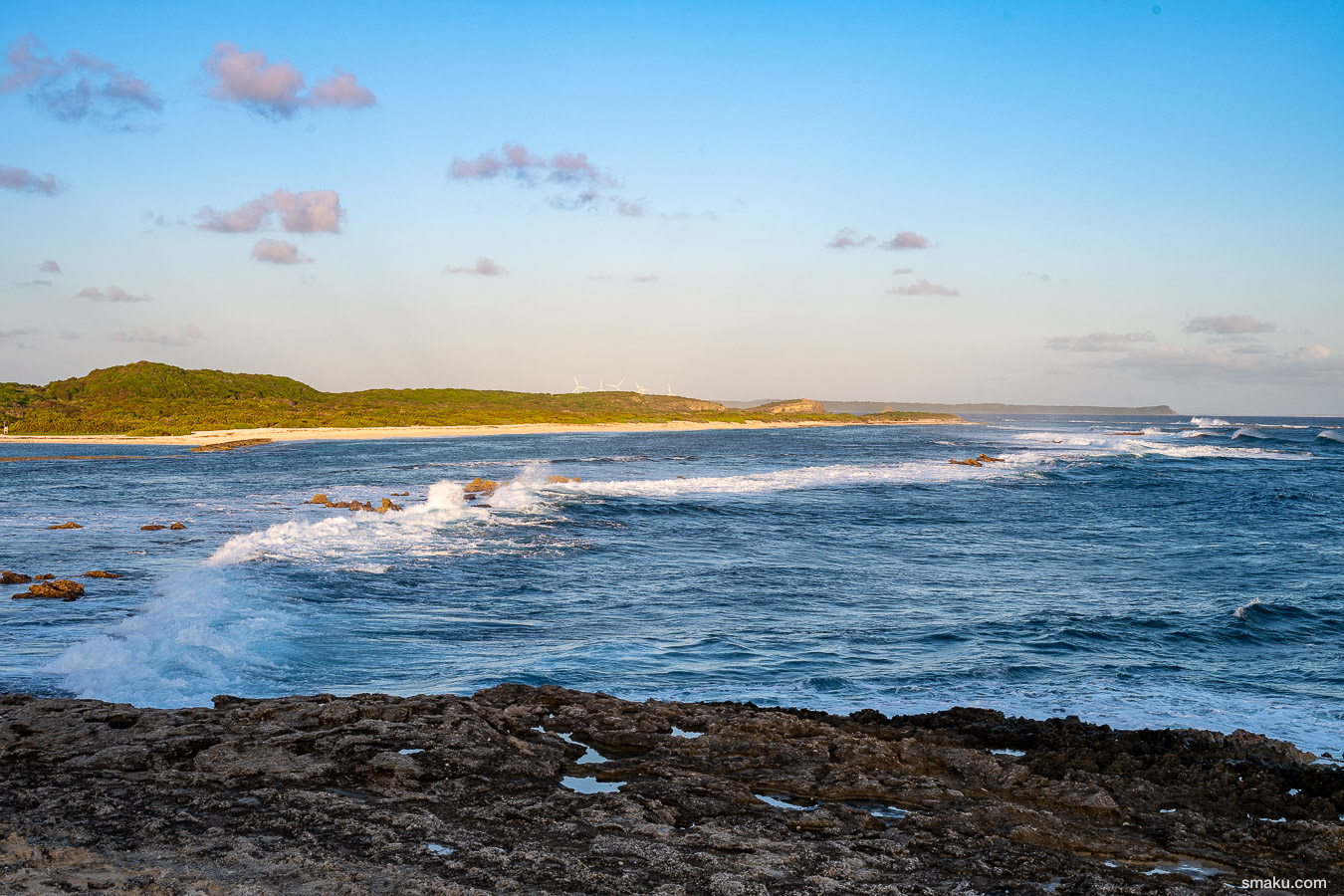
Basse-Terre is a younger and active volcanic island where the subduction of the Atlantic Plate under the Caribbean Plate is still occurring. This creates the mountainous regions and hills and valleys found on the island.
Currency
It’s worth noting that the currency used in Guadeloupe is Euro (€). This means you’ll need to convert all costs to your home currency. Living in Canada, that meant a conversion of roughly 1.6 times what is priced everywhere, making everything considerably more expensive. Make sure you keep that in mind when paying for things.
While many places will accept credit cards (VISA, Mastercard, American Express in some areas), having cash in hand will prove helpful as there are restaurants and other establishments that do not take credit cards. Tapping your credit card is not always available like it is in North America, so make sure you know your PIN to your credit card.
Alternatively, have your credit card already registered on your iPhone or other mobile phone. This eliminates the need to use your PIN since it’s already secured by your Face ID.
Language
With the official language being French, your trip will go much smoother if you know the language. Most tourists to Guadeloupe seem to be from Europe (France), Canada (Montreal), and the United States. I encountered very few English speaking tourists during my trip, not to mention seeing only two other Asian families during my entire time there—one of them being at the airport.
While some tourist destinations will have English speaking staff, don’t expect this to be the case everywhere. Restaurants, for example, were primarily French speaking.
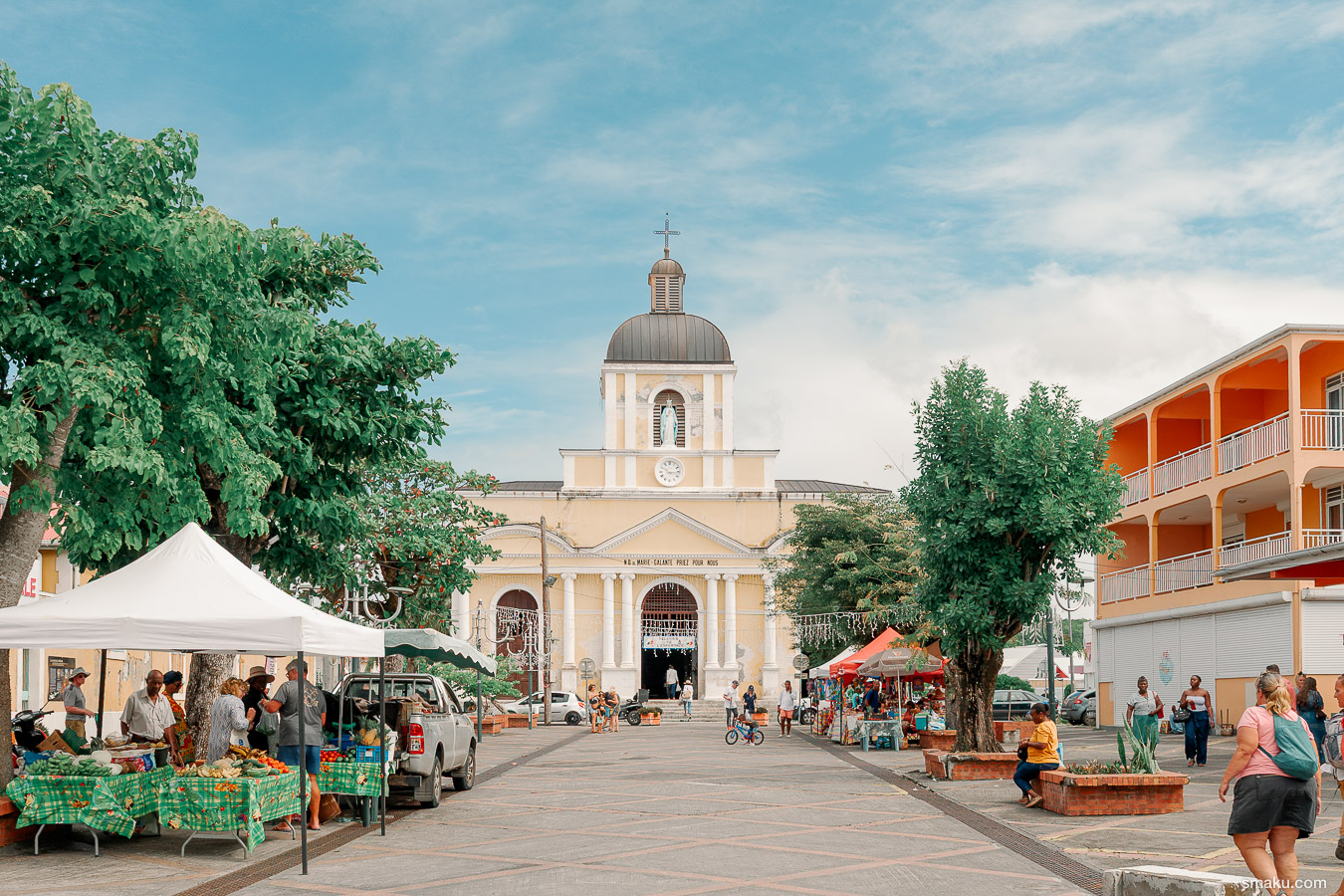
Many thanks to my parents for enrolling me in early French immersion! You’d be surprised how much of it comes back to you even if you hadn’t used it for a long time. I was even complimented by one of the women selling frozen coconuts, saying she understood completely what I was saying!
Air Canada Vacations
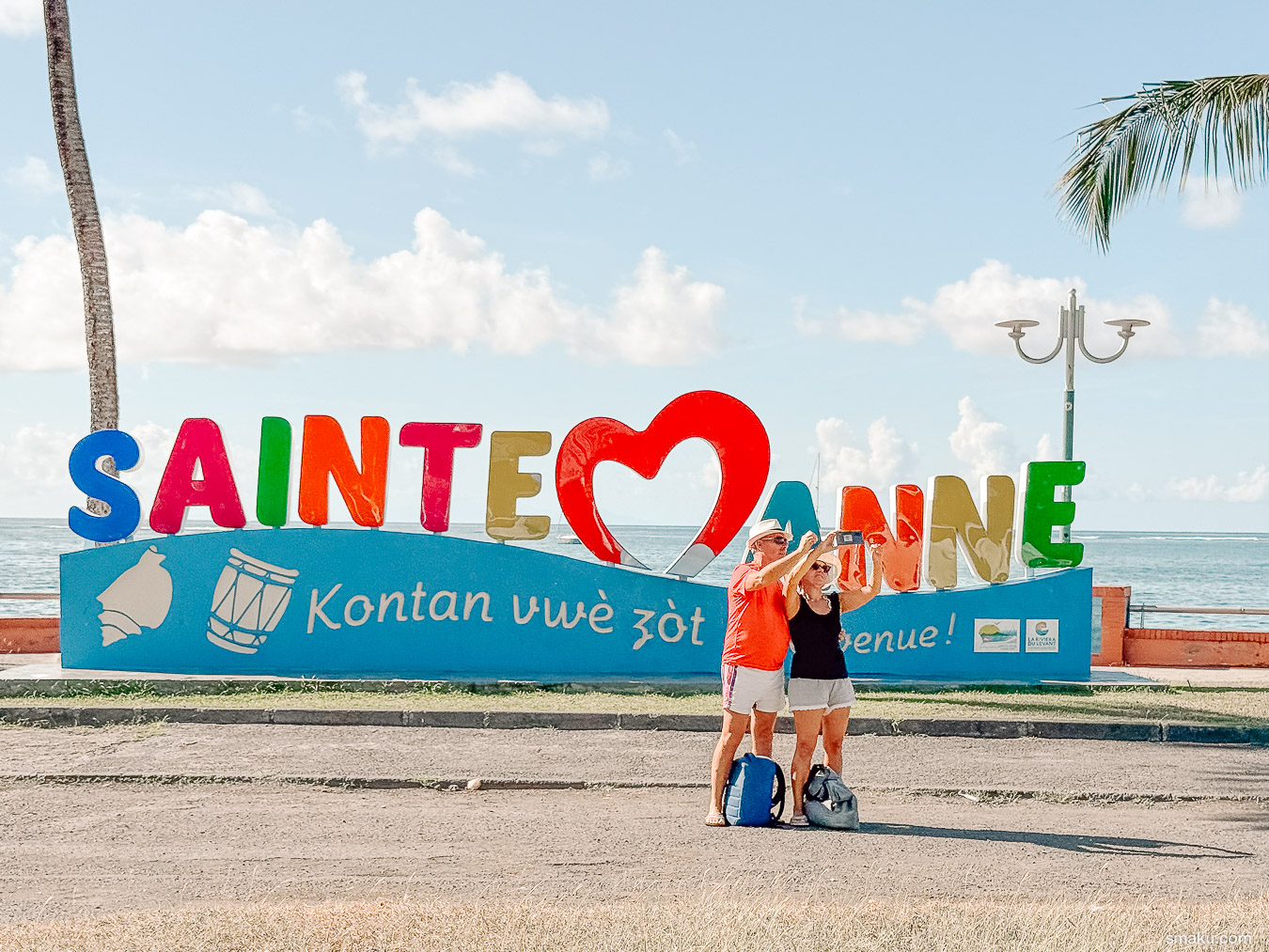
When we booked our Air Canada Vacations package to Guadeloupe, we noticed there weren’t any all-inclusive options to choose from. This is not to say there are none available. Club Med, for example, offers an all-inclusive package on their property in one of the key tourist destinations, Sainte-Anne.
We were left to choose from a selection of hotels offering breakfast-only options so we opted for a 3-star breakfast-included hotel package at Canella Beach Hotel. Located in the Le Gosier district, this area boasts a lot of other hotels in the vicinity.
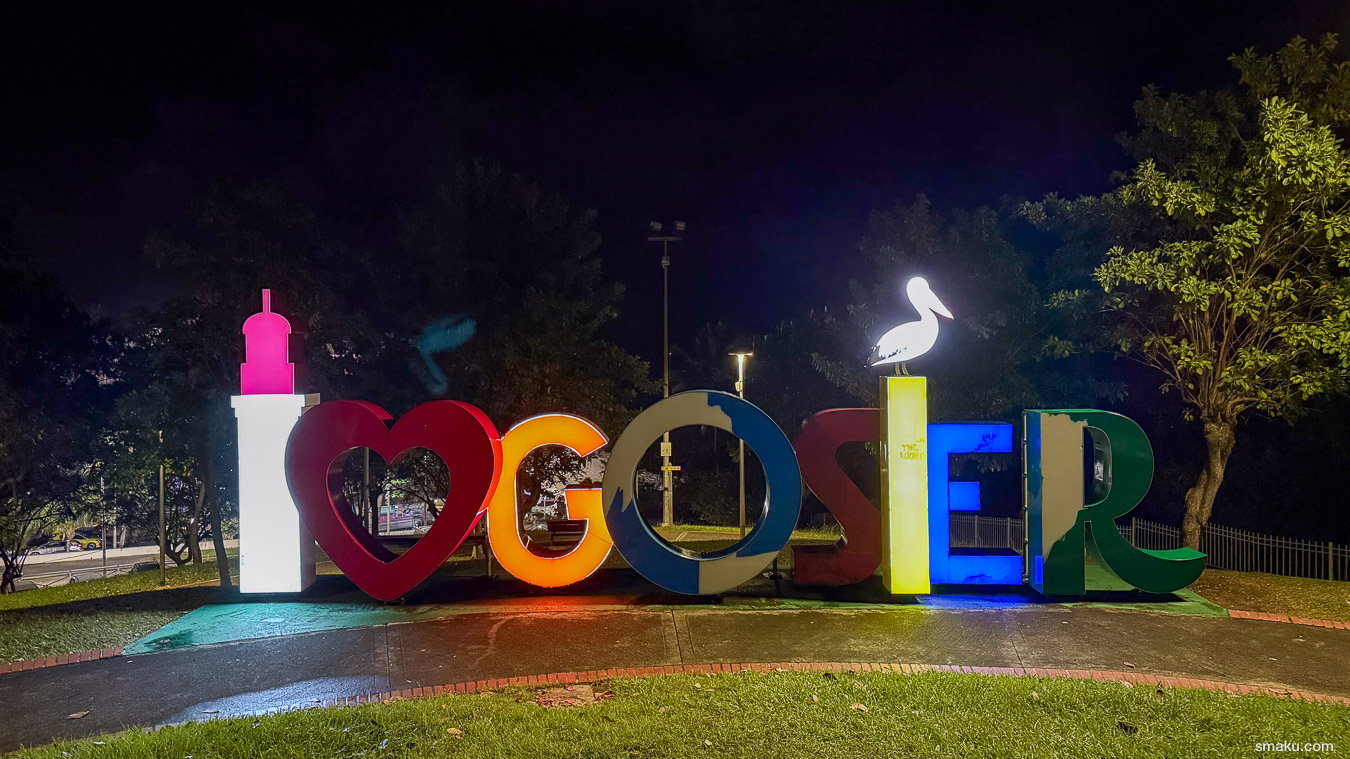
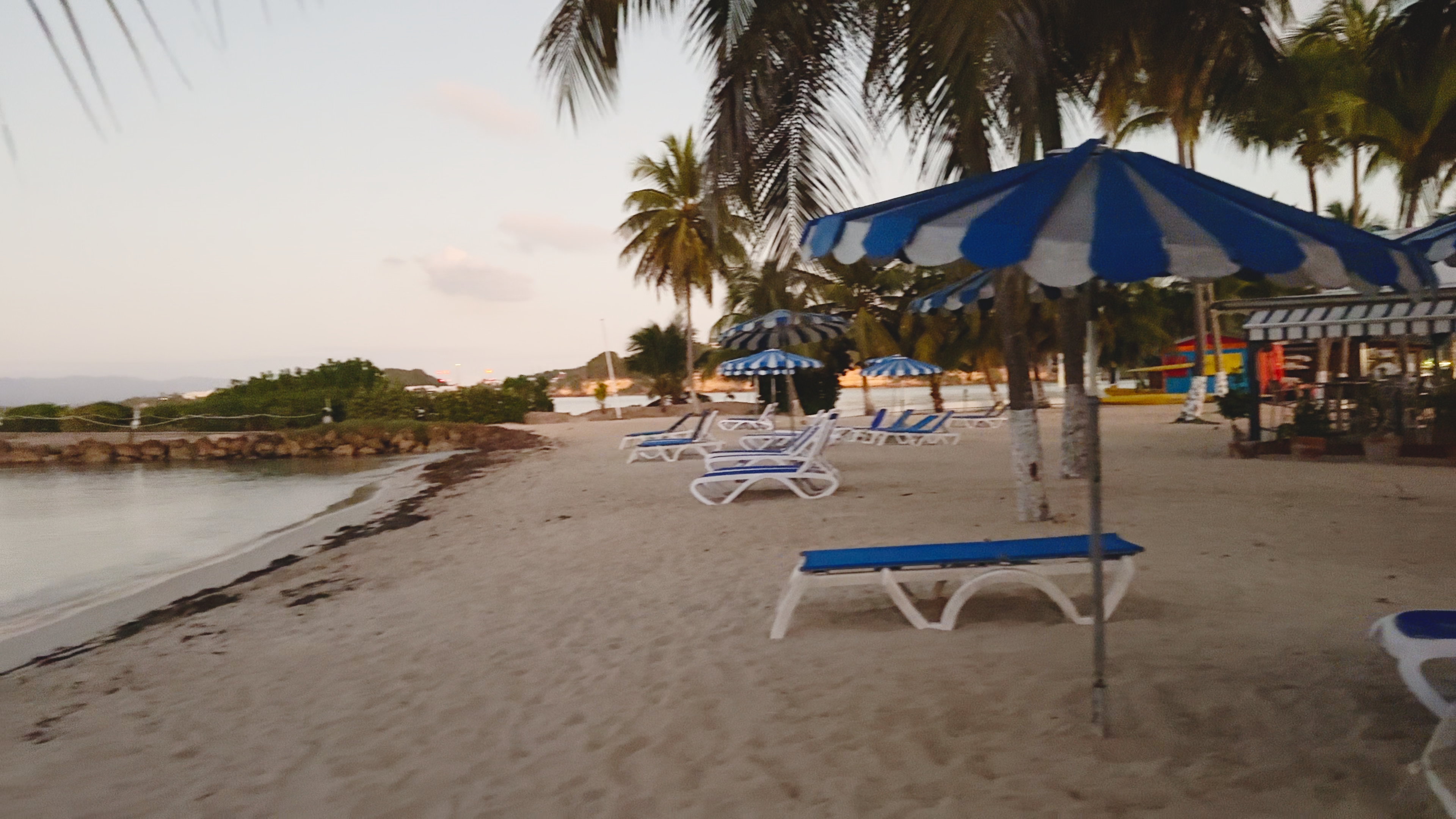
Our hotel had direct beachfront access, which turned out to be as wonderful as it sounds.
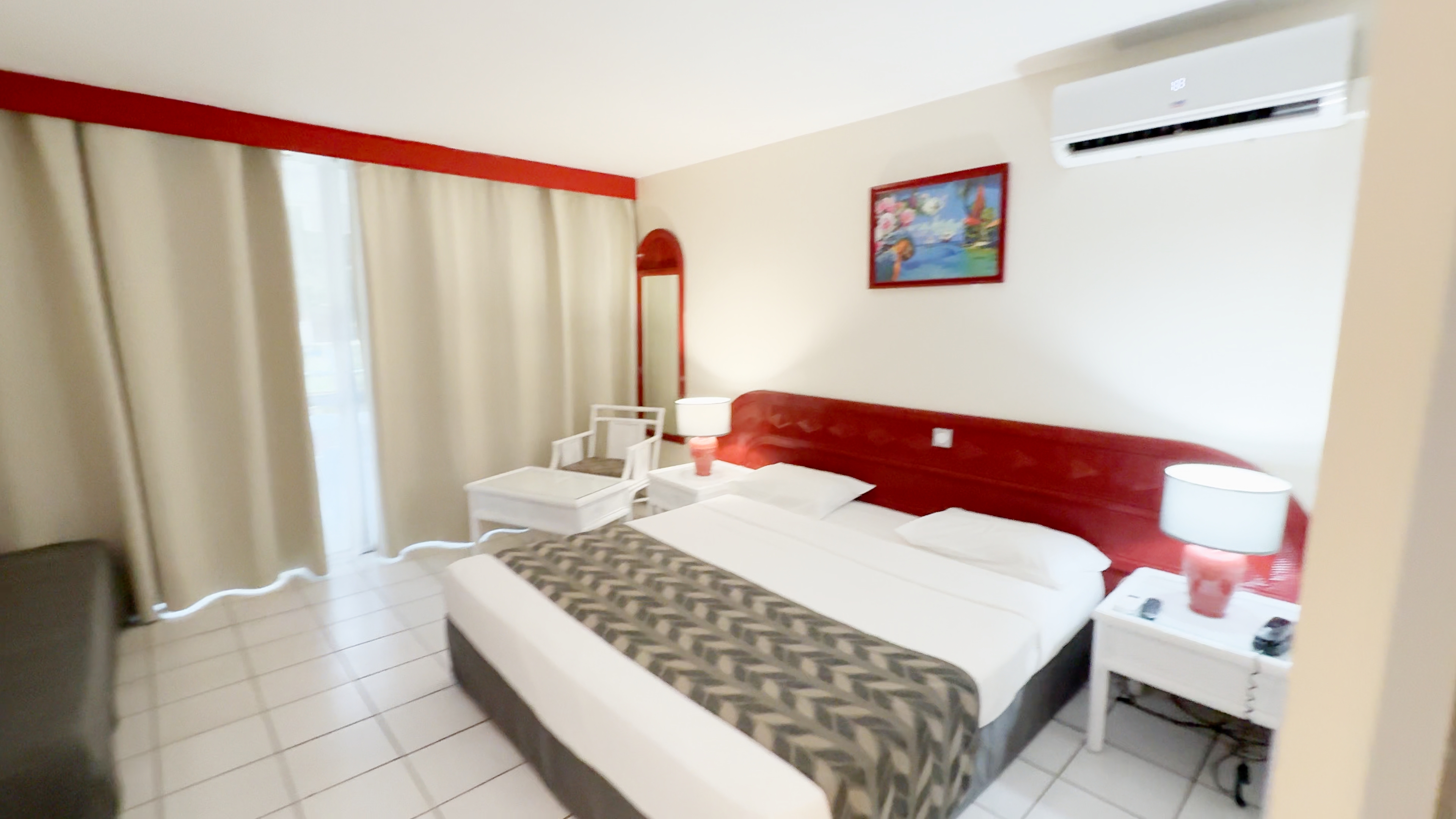
The hotel itself? It showed a lot of “character” inside the rooms. But all said and done, there really wasn’t anything wrong with it. It had all the amenities you would expect from a 3-star hotel, and we had a pleasant stay here. The staff are super friendly and cater to their guests in a friendly manner, even if you don’t speak French.
We took advantage of the beachfront access every night with a quick dip in the sea, then a quick swim in the pool. It was the perfect way to end a full day of sight-seeing.
Itinerary
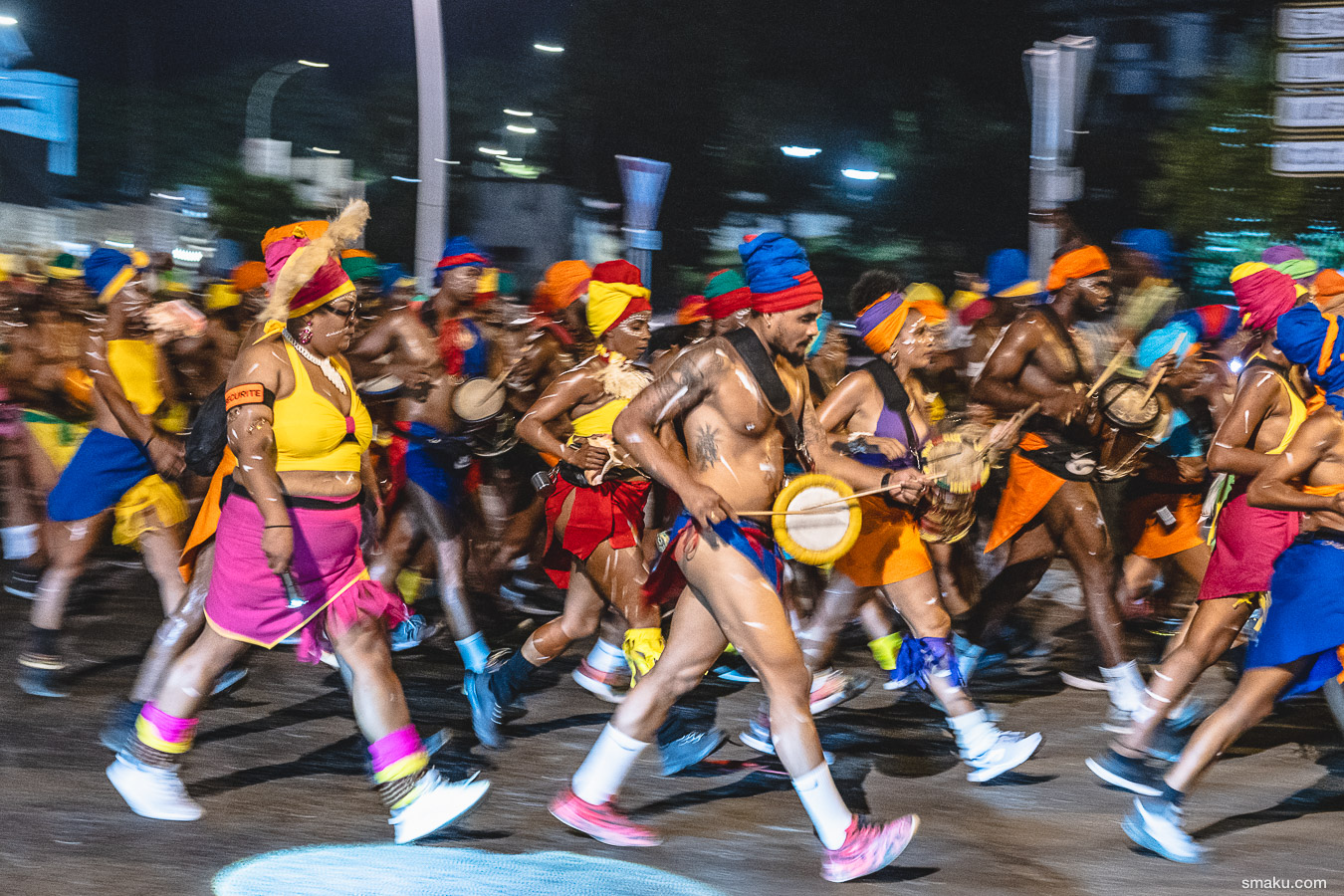
Our itinerary was filled with something to do every day; it was perhaps as busy as the carnival was at city centre the one evening we went there—but we still had some down time to spend at the beach.
| Sat. Feb. 7 | Feb. 8 | Feb. 9 | Feb. 10 | Feb. 11 | Feb. 12 | Feb. 13 | Feb. 14 |
|---|---|---|---|---|---|---|---|
| Explore around hotel | Driving along southern shore to Pointe de Chateaux | Explore around Trois Riviere and PaP | Day trip to Marie Galante | Day trip to Plage de Malendure | Day trip to Terre-de-Haut | Sunrise at Pointe de Chateaux, Sainte-Anne | Explore around hotel |
Car rental
Cost: 347.93€ (for 7 days) plus 112€ Zen Insurance; Hyundai i10 automatic transmission
Since it wasn’t an all-inclusive package, we rented a vehicle so we could drive around the islands. This is a must if you want to explore outside of your hotel property.
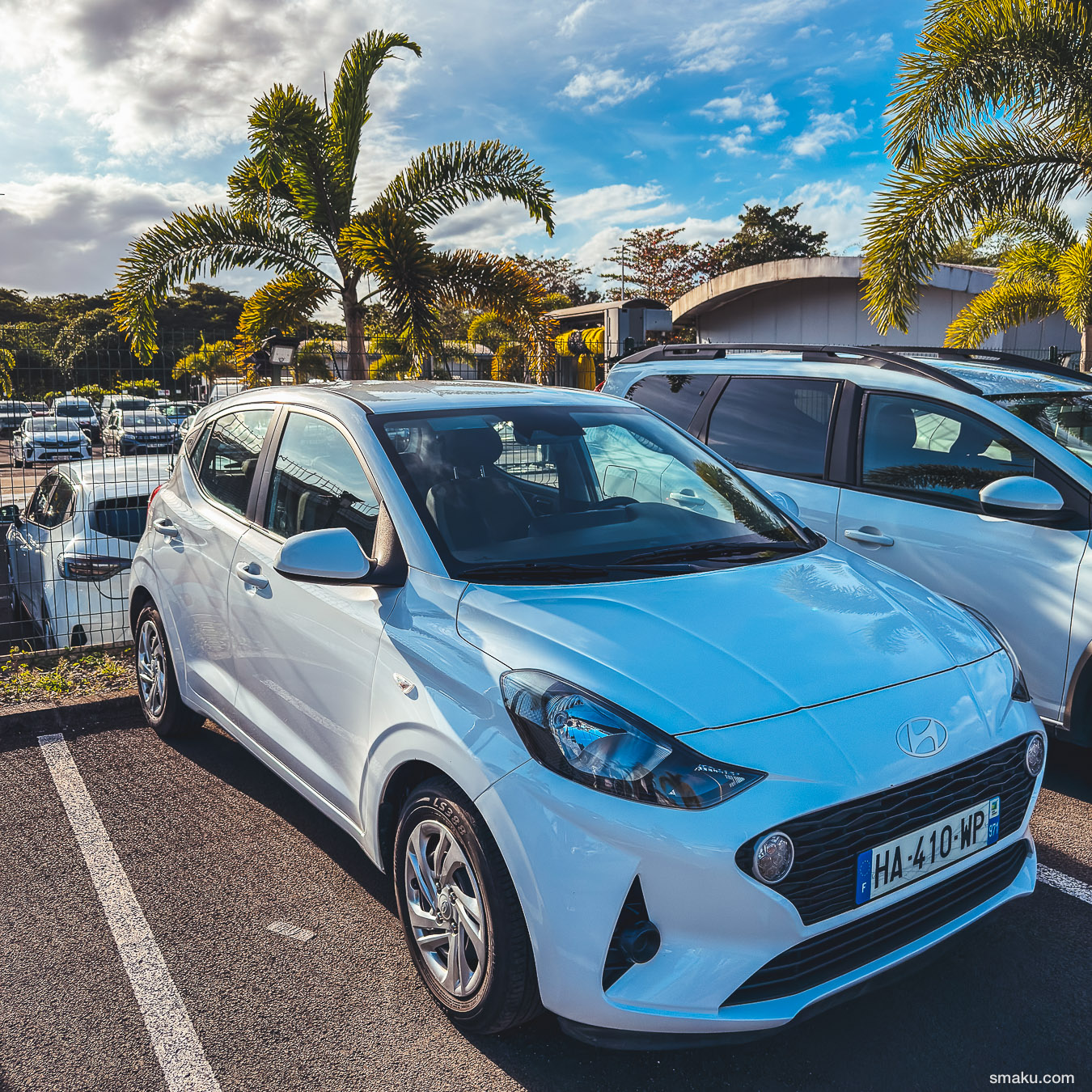
We booked our vehicle at Jumbo Car rental at the airport, well in advance while we were still in Toronto. According to another tourist that paid almost 100€ per day, booking in advance is much cheaper than booking there on the day of. With many different classes of vehicles to choose from, I ended up choosing the smallest one (Economy class) since I thought it would be enough to drive around the islands.
Tip
Make sure to book an automatic transmission if that’s what you drive in your home country; being a European country, manual transmissions seem to be more popular there.
We included full insurance, which covered flat tires, windshield damage, and accidents. To make note of damages to your vehicle before you head out, you’re asked to make a video as you walk around the car, making note of any marks, dents, or damages.
Driving is on the right side of the road, same as in North America.
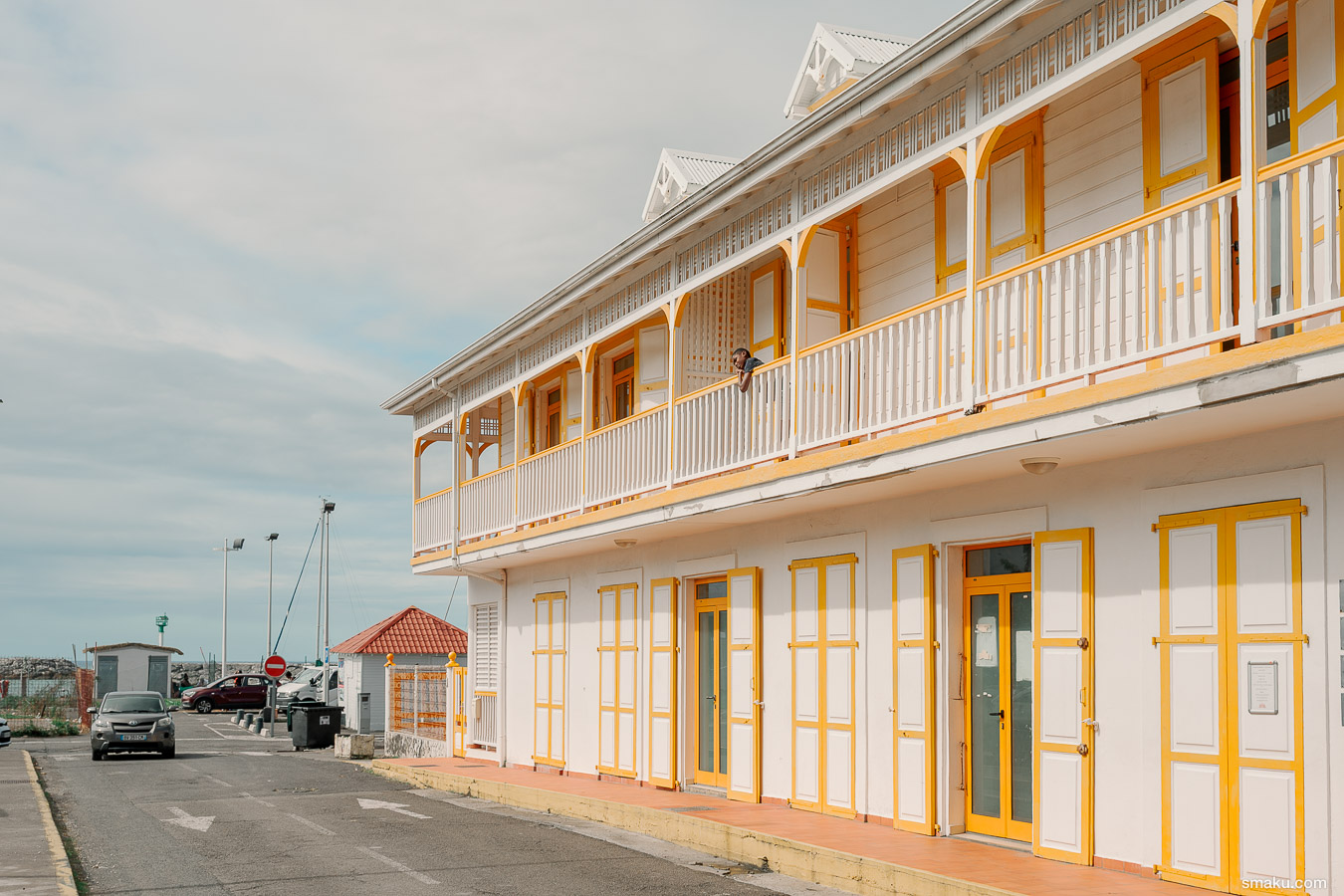
If you’re exploring Grande Terre, this Economy class vehicle is probably enough to get you around since this island is primarily flat terrain. But if exploring Basse Terre is on your agenda, I would consider upgrading to another class depending on how many people and baggage you plan to drive with.
Basse Terre is very hilly. What you may not be able to see with Google Maps is that even if your route shows a short distance from A to B, this will likely take you a long time since it takes you up, down, and sometimes through the mountains of Basse Terre.
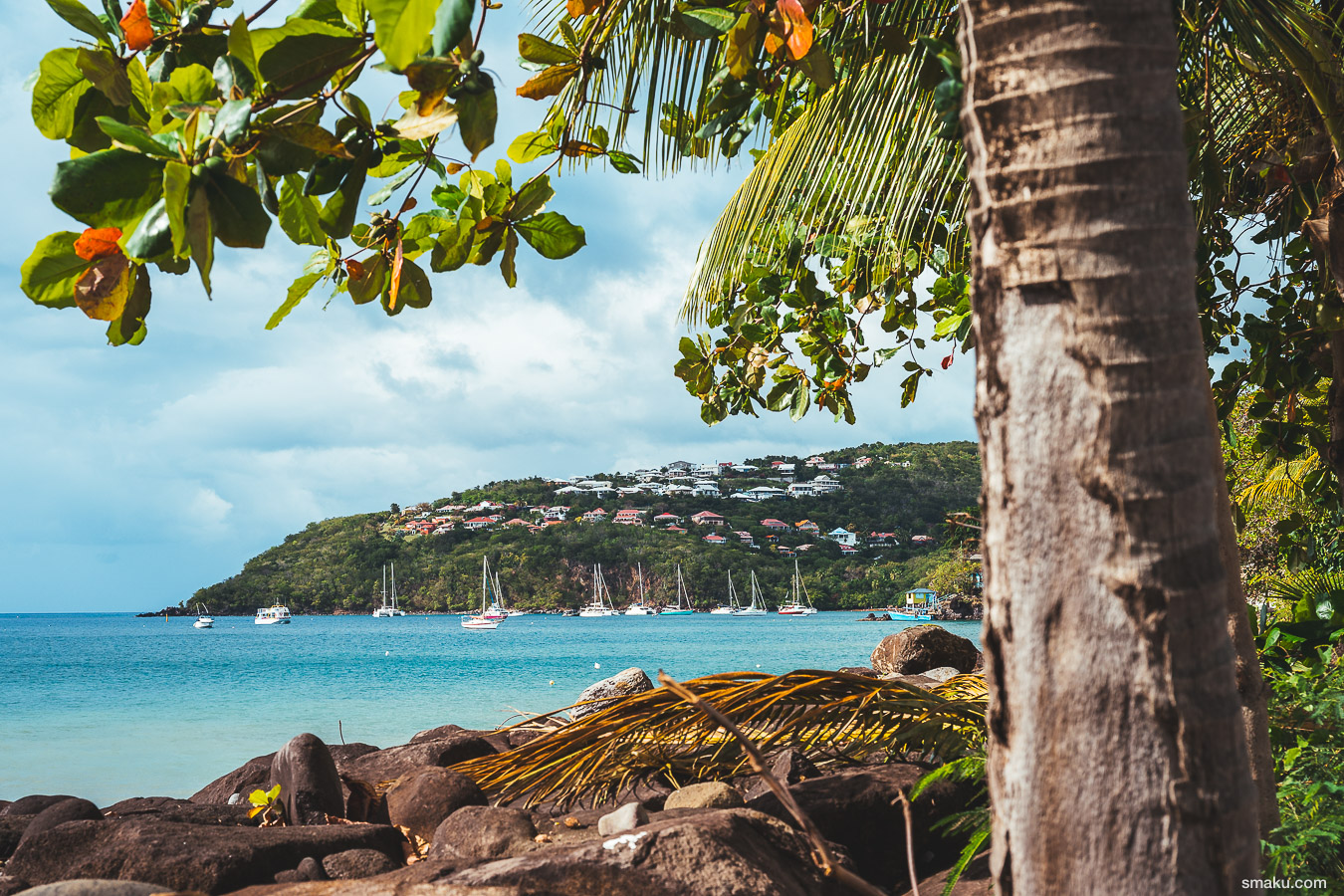
There were several times when our little vehicle was almost pushed to its limits as we tried to climb up steep inclines. We managed at the end—along with several other people using the same class vehicles—so it’s not that it’s impossible; it’s just a little more reassuring to drive in an upper class vehicle in Basse Terre.
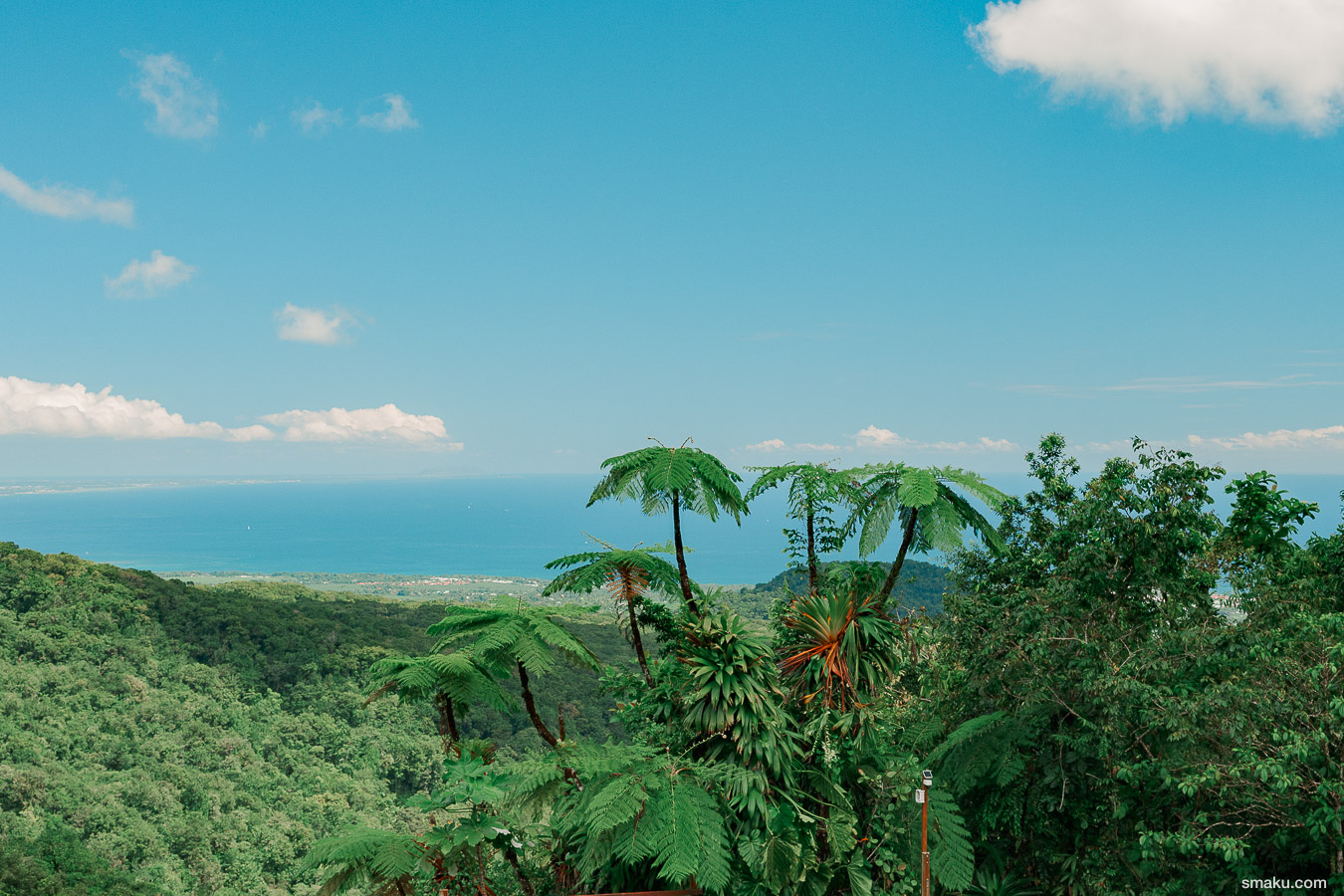
Driving from one place to the next does take longer than you might expect, so make sure you take into account the time to drive in your itinerary.
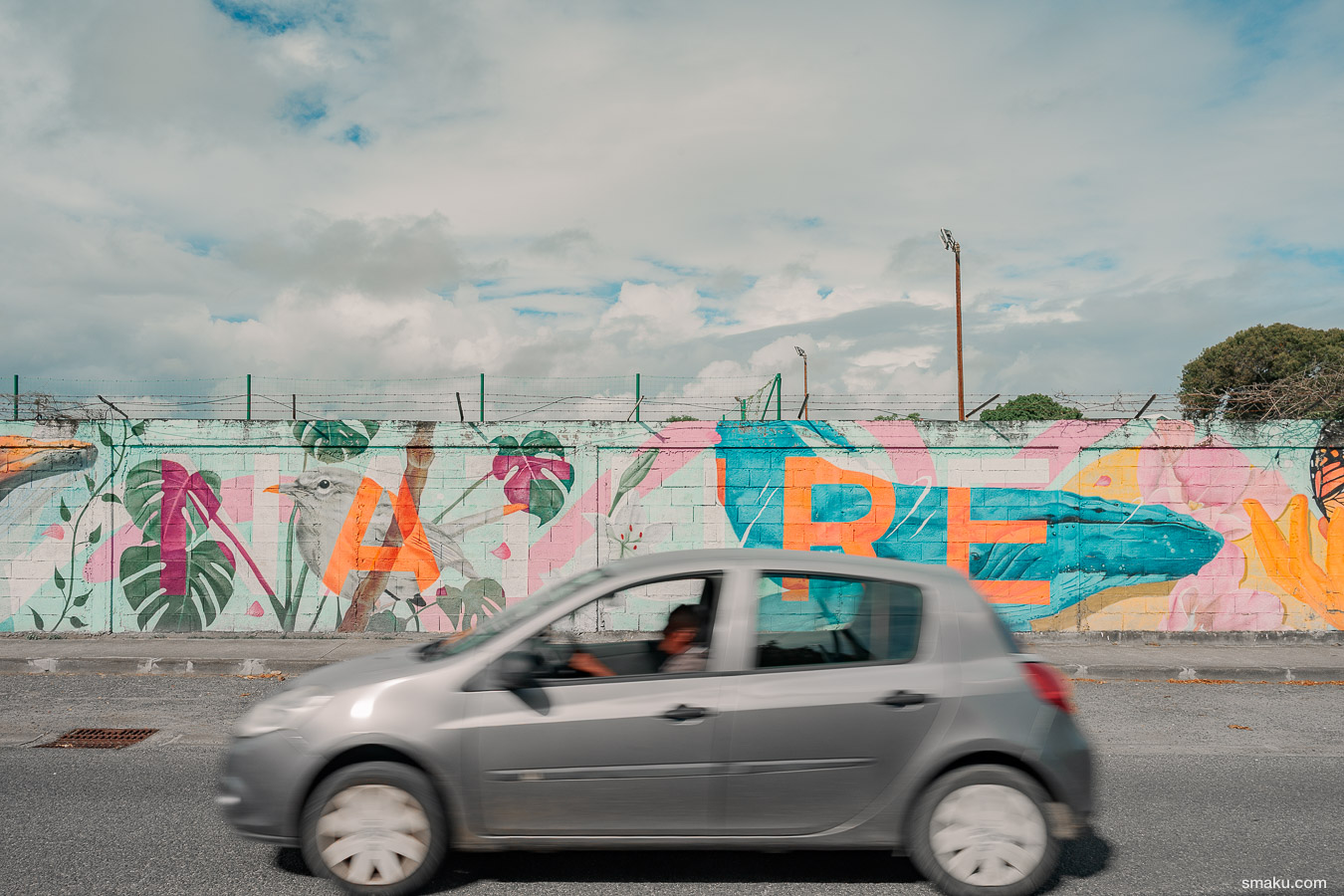
Return your vehicle with a full tank of gas. I read online somewhere that if you don’t vacuum the interior as well, the rental shop will charge you an additional 30-40€ to clean the interior. We vacuumed the interior and washed the exterior as we ended up at a car wash/vacuum place where you had to bulk buy in advance.
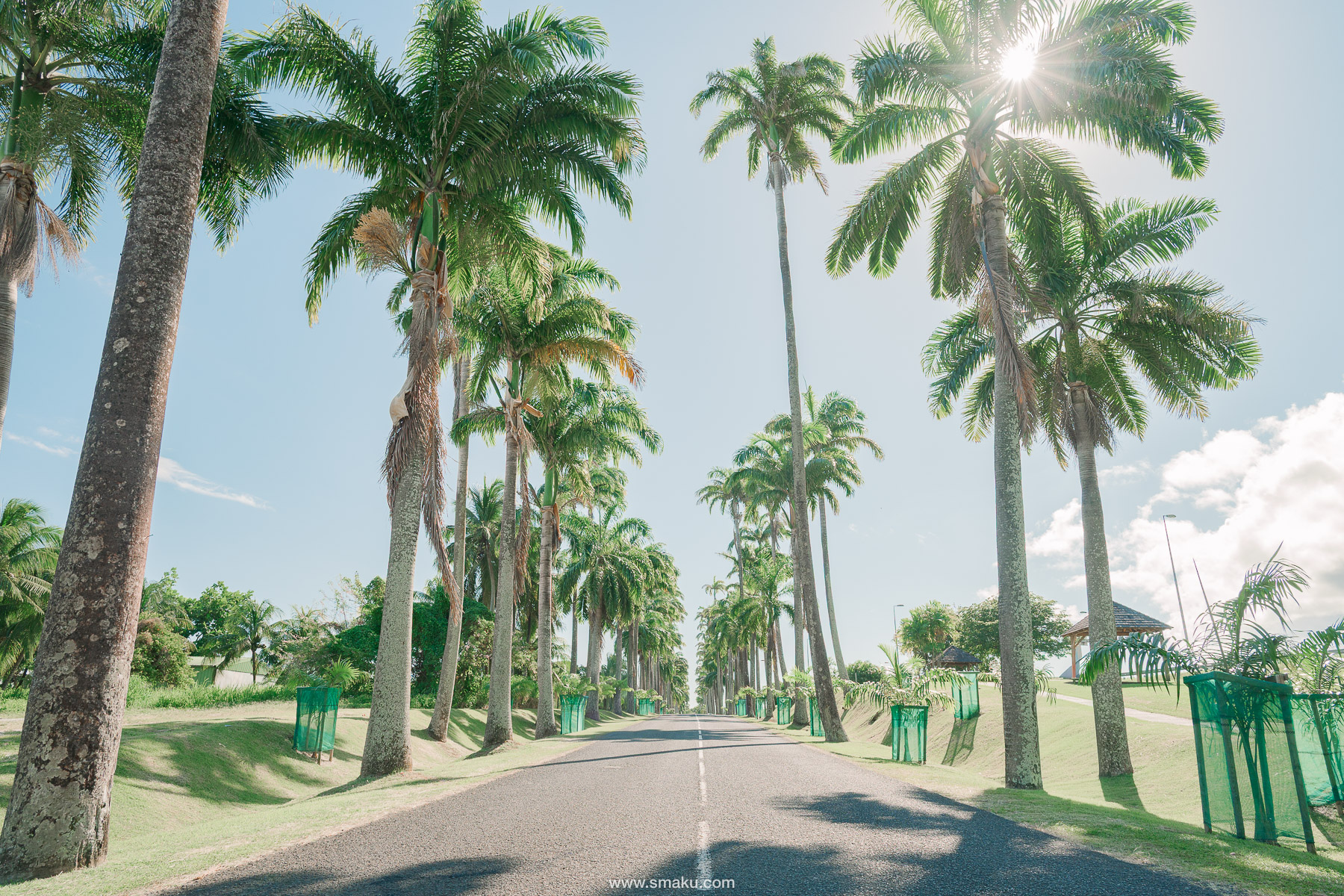
Driving in Guadeloupe
For whatever reason, I found driving in Guadeloupe a little stressful at first as drivers tended to drive a little more aggressively (read: forthcoming, not angrily) than I’m used to. Mind you, driving in unfamiliar places on its own can be stressful, but here’s some other things I noticed:
- Roads are narrower than in North America
- Drive on the same side as in North America
- I hope you like roundabouts because they are everywhere
- Local drivers don’t use their horns as often as North Americans do. They understand there are tourist drivers who might not be familiar with the roads and therefore accept it.
- Parking in popular destinations can be interesting as people park ON the curb
You get used to these differences after the first few times you drive, so overall, it’s not an issue.
Grande-Terre
Points of interest:
- Sainte-Anne
- Sainte-François
- Pointe de Chateaux (seen above)
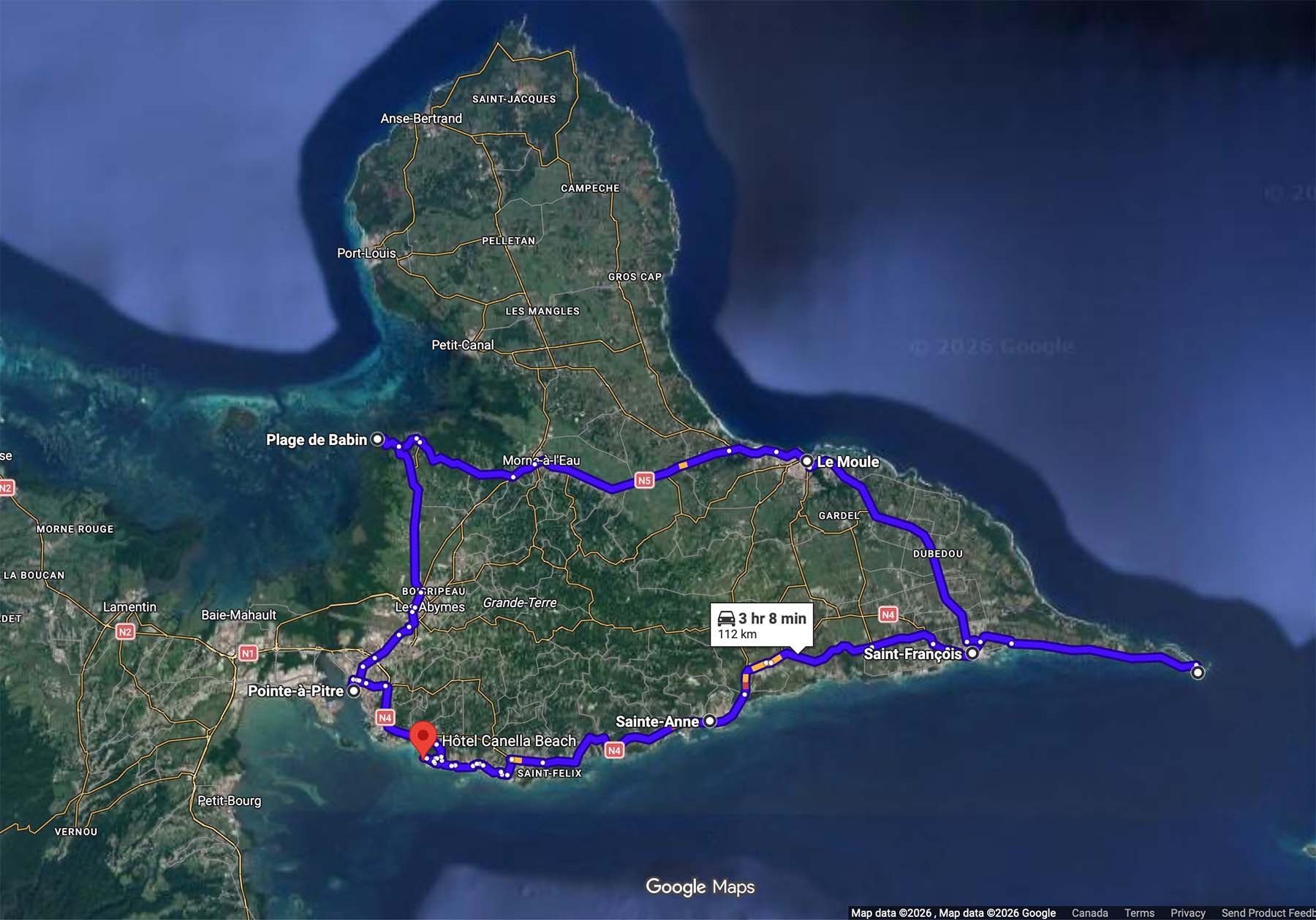
We drove all along the southern coastline from our hotel to Point de Châteaux, the eastern-most point of Grande-Terre. It’s a beautiful drive that takes you through the stunning stretch of white sandy beaches of Sainte-Anne, and through the quaint locale with beautiful beachfronts of Sainte-François.
Pointe de Chateaux
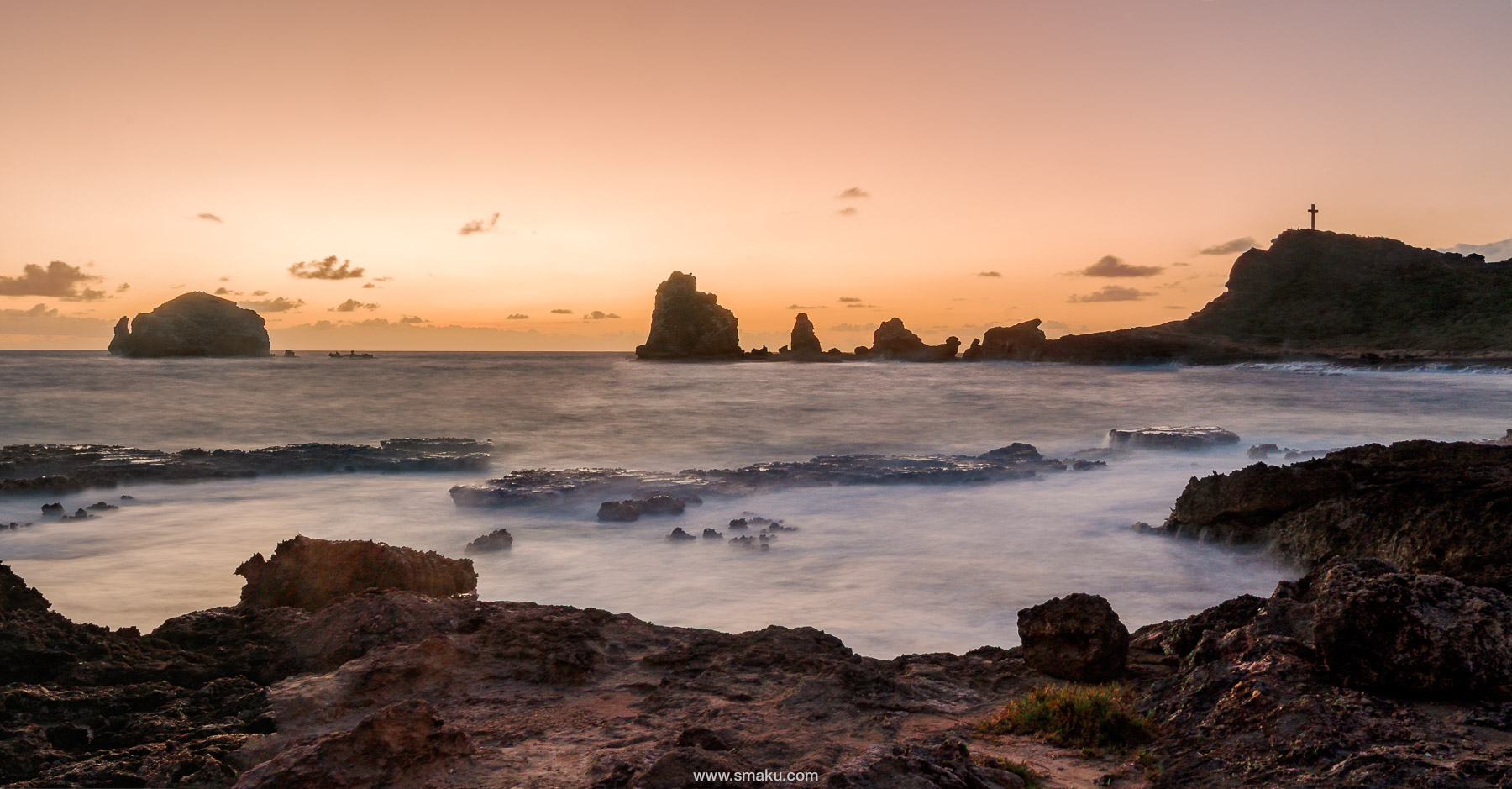
Pointe de Chateaux is the eastern-most point of Grande-Terre. It’s not labeled in the map above, but shown as a stop on our route. We went there on two occasions: once to scout the area and climb to the top of the viewpoint, and another time to view the sunrise from the area.
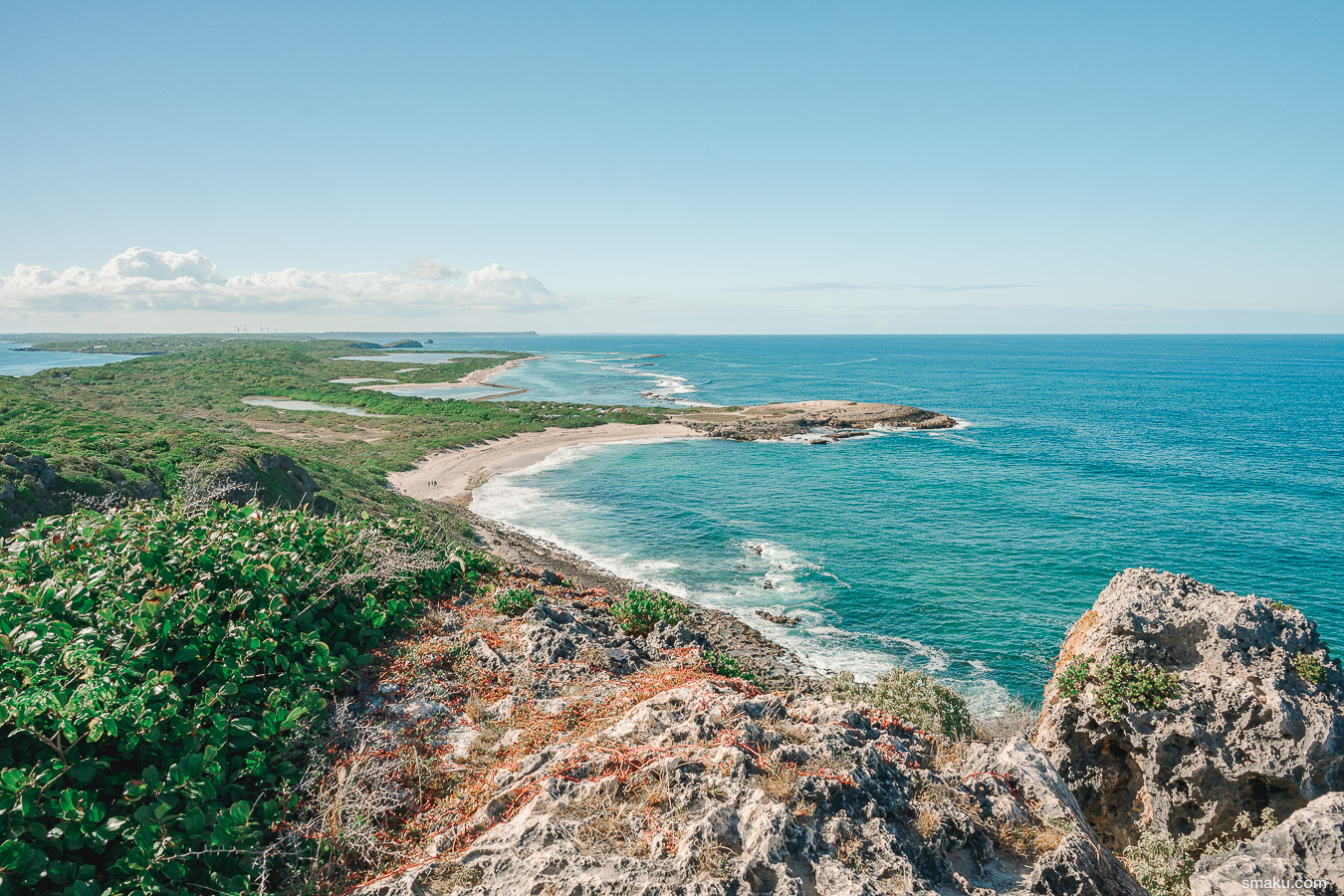
You’ll need to find parking along that long stretch of the road leading to the point. If you go early in the morning to catch the sunrise though, you’ll find parking at the roundabout at the tip.
The rocky shoreline with the waves crashing on the rocks was just breathtaking. The hike to the top can be steep, but doable in just about 20 minutes. Once there, we continued along the shoreline for a little bit to soak in the views before heading back down.
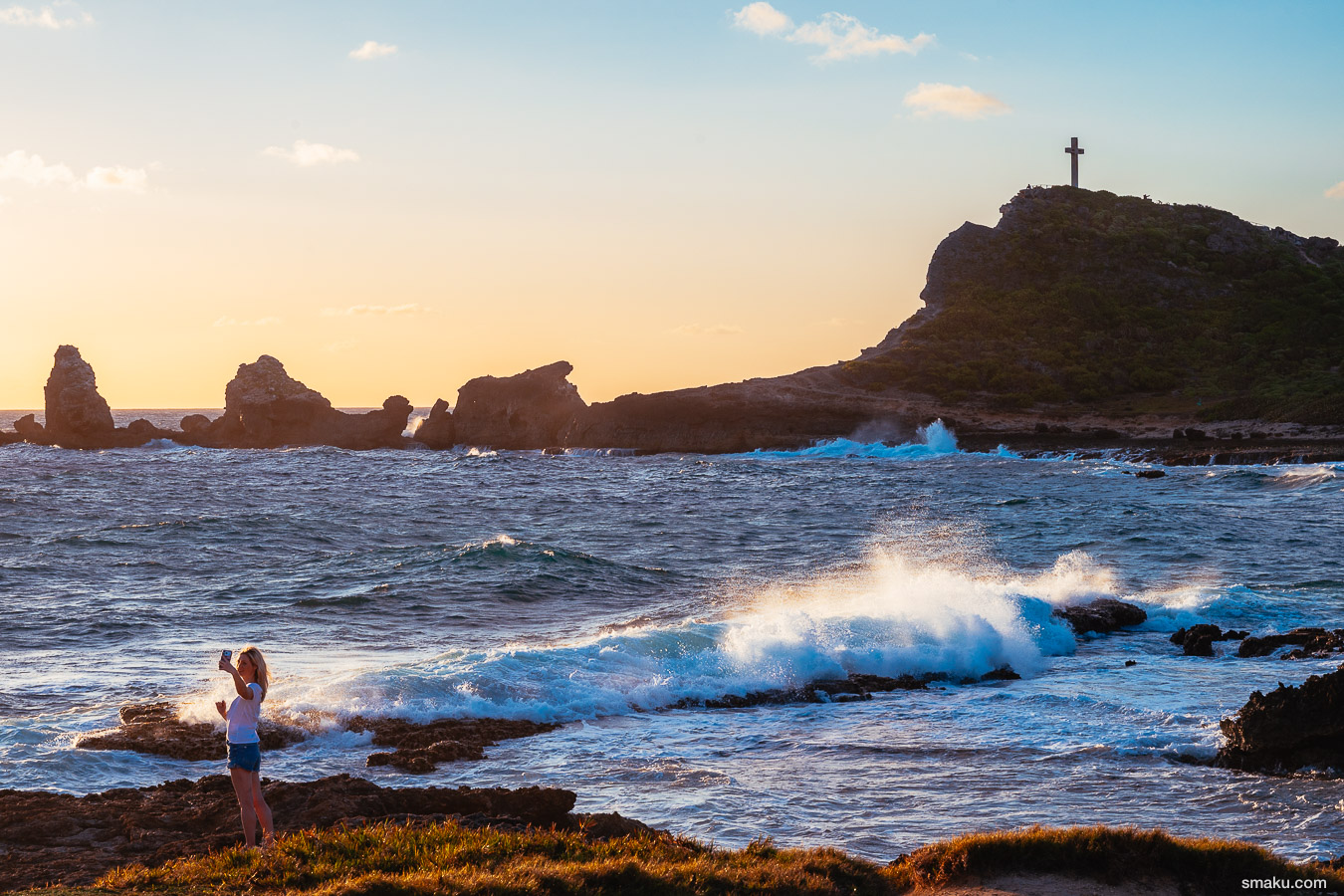
After the hike, buy a frozen coconut treat from one of the vendors at the roundabout. It’s tasty and a great way to finish off the hike.
Basse-Terre
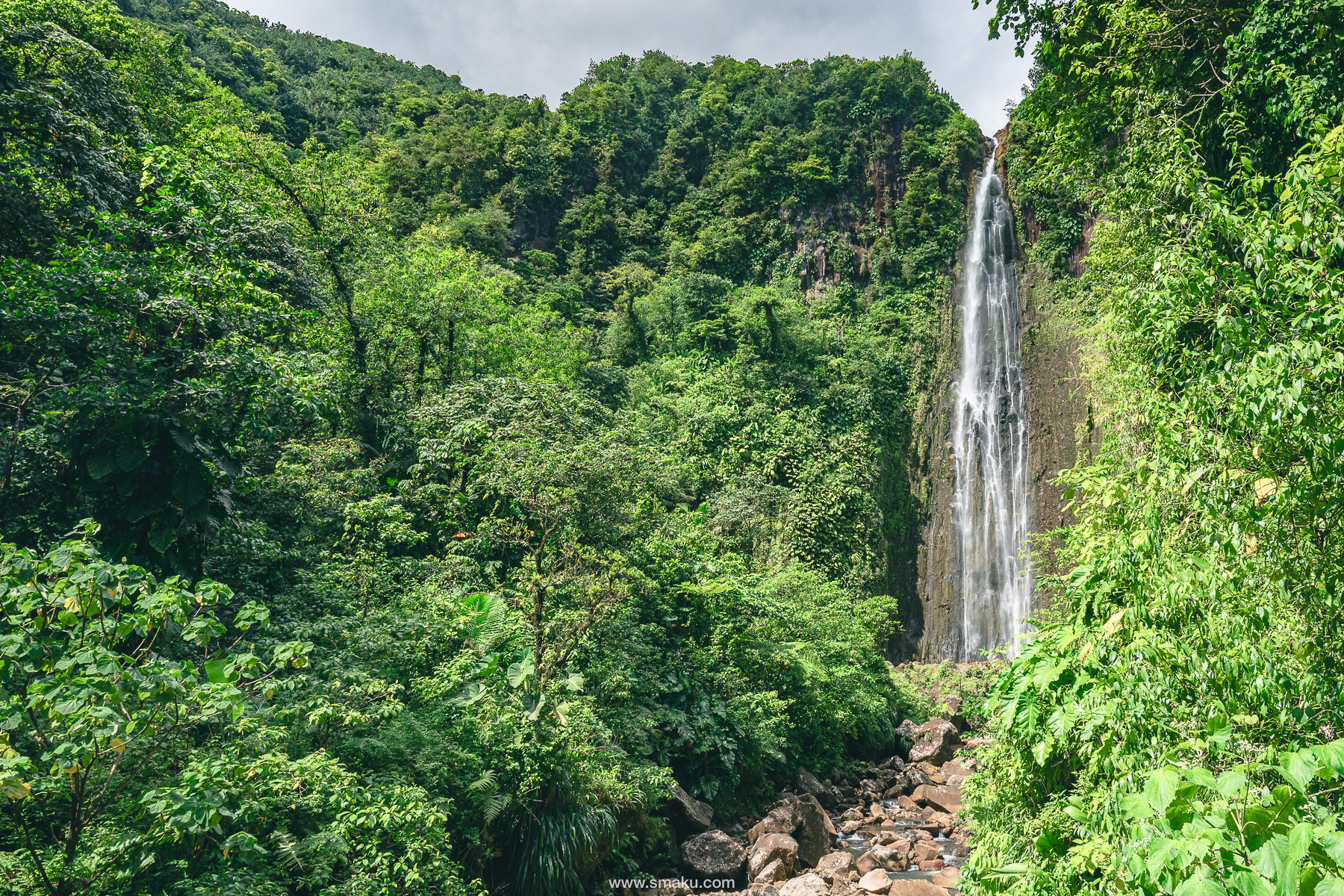
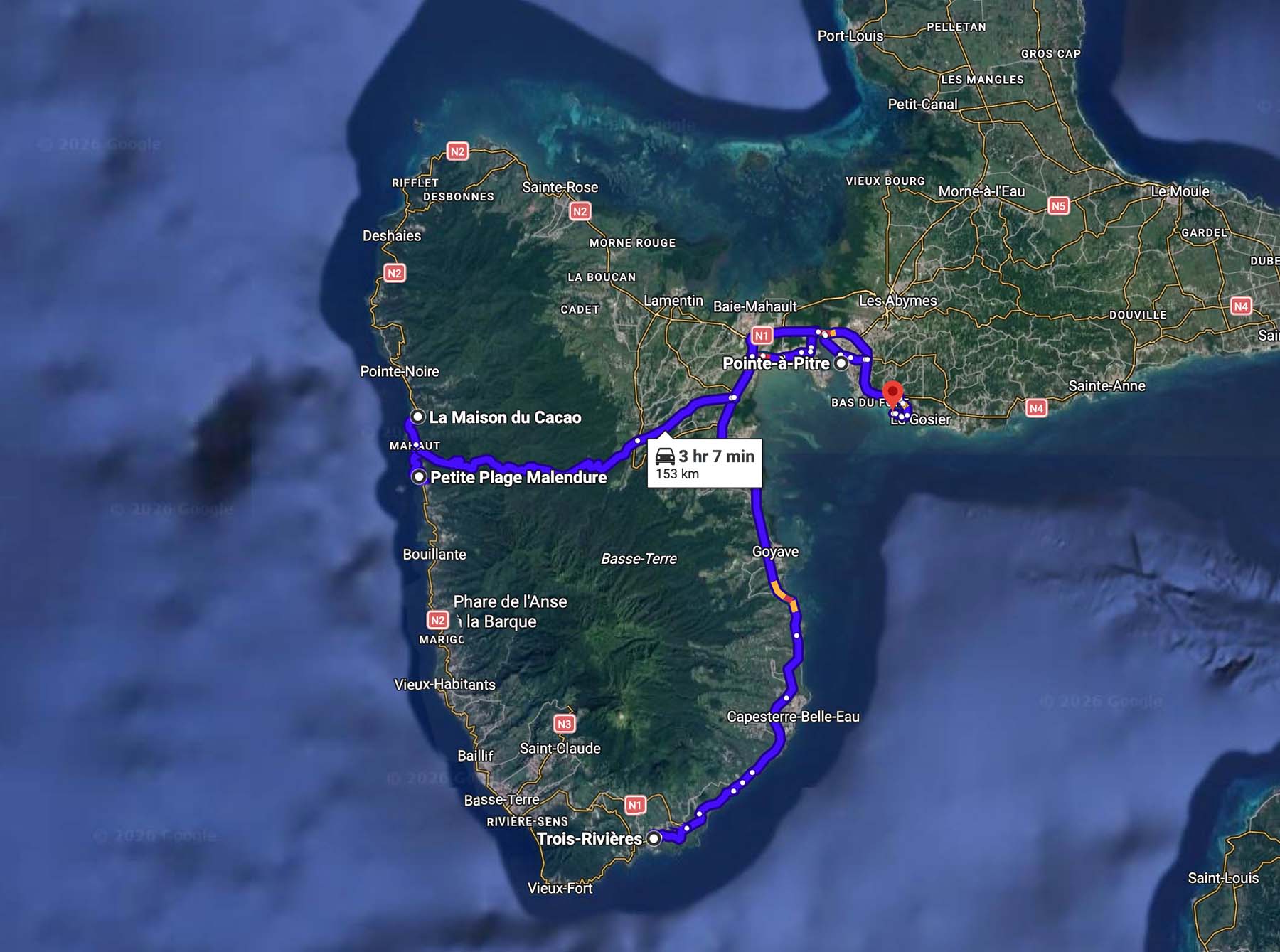
We drove around Basse-Terre on two separate days. Our first drive in Basse-Terre took us from our hotel to Trois Riviere to scout out the location as later that week we had to drive there for 7am to catch a ferry to Terre-de-Haute. As it was my first time driving in Basse-Terre we found it to be a beautiful drive through the countryside, but at the same time surprised at all the ups and downs.
On another day, we went to Petite Plage Malendure to snorkel and see if we can see sea turtles. We didn’t. It was such a windy day the waves were washing the sand underneath, making it murky and less transparent than I think it would have normally been.
Afterward, we took a trip to La Maison du Cacao for a tour of the cacao farm. What we didn’t know was reservations are strongly required in order to enter, and the next tour was going to be all in French. The staff was kind and told us that if we waited until the last minute, we could enter if the maximum capacity hadn’t been reached, and if we were OK with a French explanation.
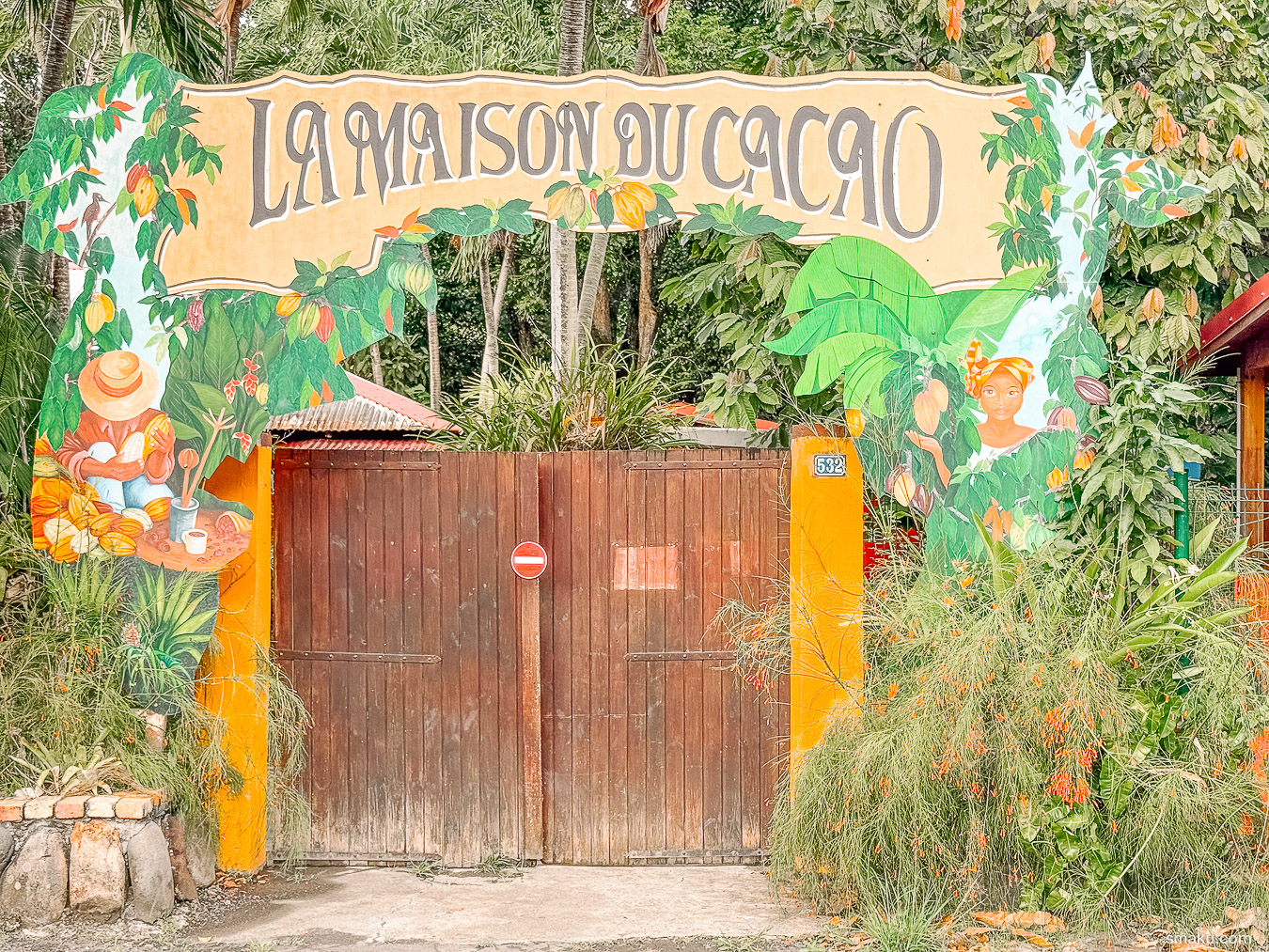
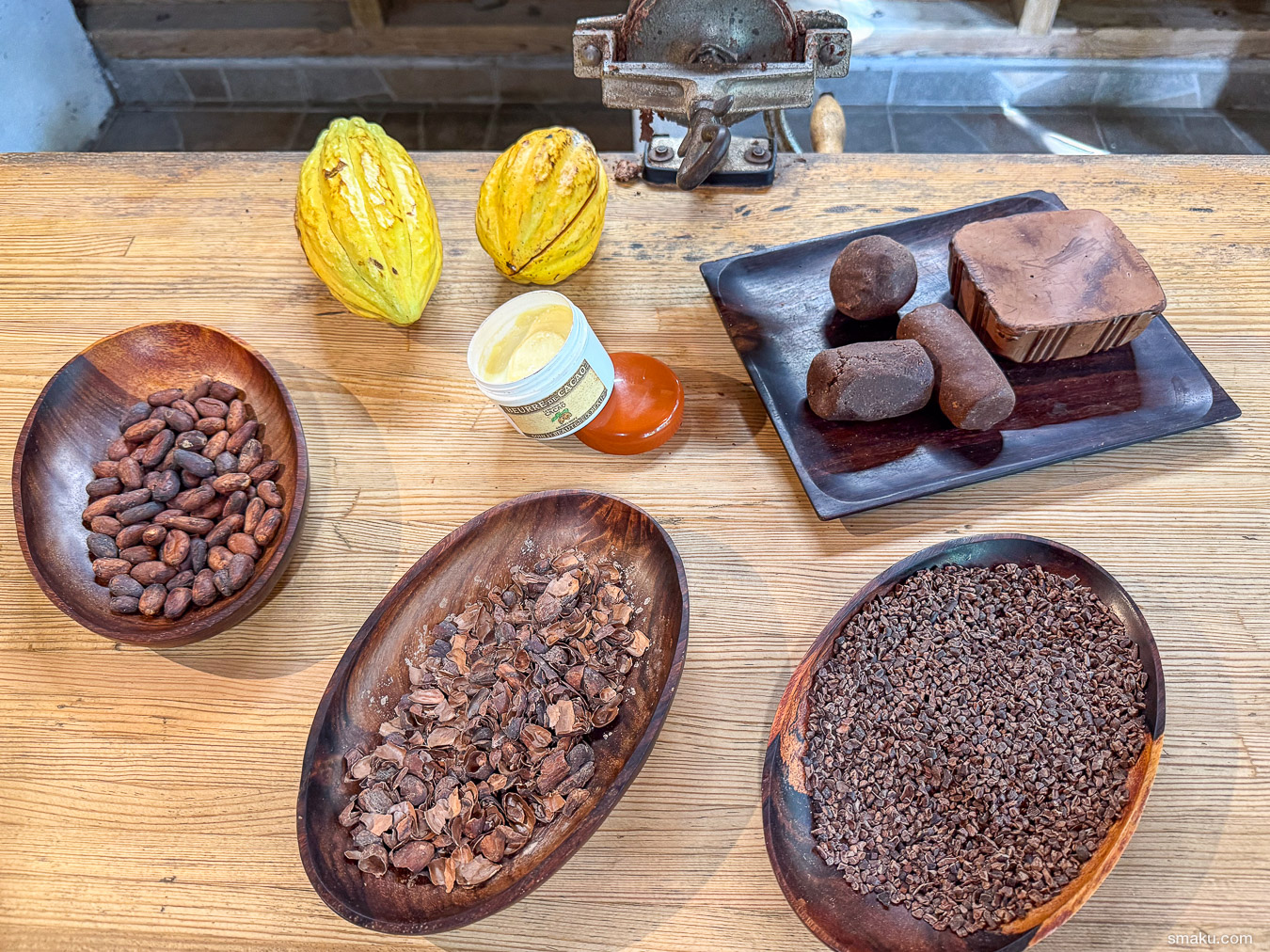
The first half is a self-guided tour of the area, giving information (in English and French) on the cacao beans. The second part was a 60-minute explanation and taste-testing of some of their chocolates. My rusty French was just enough to get the gist of everything and enjoy the taste-testing.
Parking

When looking for parking around the Plage Malendure, we noticed that almost all of the street parking in the area uses the Pay by Phone app. If you don’t have this mobile phone app, then you won’t be able to pay for parking there. We had to download the app, sign up, and enter our credit card information before we were able to park and go to the beach. It might be worthwhile to set this up before you go.
Marie Galante
If you’re able to get to some of the other neighbouring islands, I would definitely recommend you do as they offer something a little different than Basse-Terre and Grande-Terre.
We went to Marie Galante via the FRS Express ferry departing from Pointe-a-Pitre port, which was a 20-minute drive from our hotel. We had to arrive about an hour before departure, which meant arriving around 7:00am.
There is paid parking right by the port, or free parking just a short walk away from the port.
The ferry ride is about an hour long.
If you want to rent a car, there are car rental booths all along the left side as you disembark the ferry. It’s recommended that you rent a car and drive all around the island. While we tried to rent a car, my Visa credit card was declined after just one failed attempt at guessing my PIN. As they don’t take American Express, we couldn’t rent a car and were left to walk for the day.
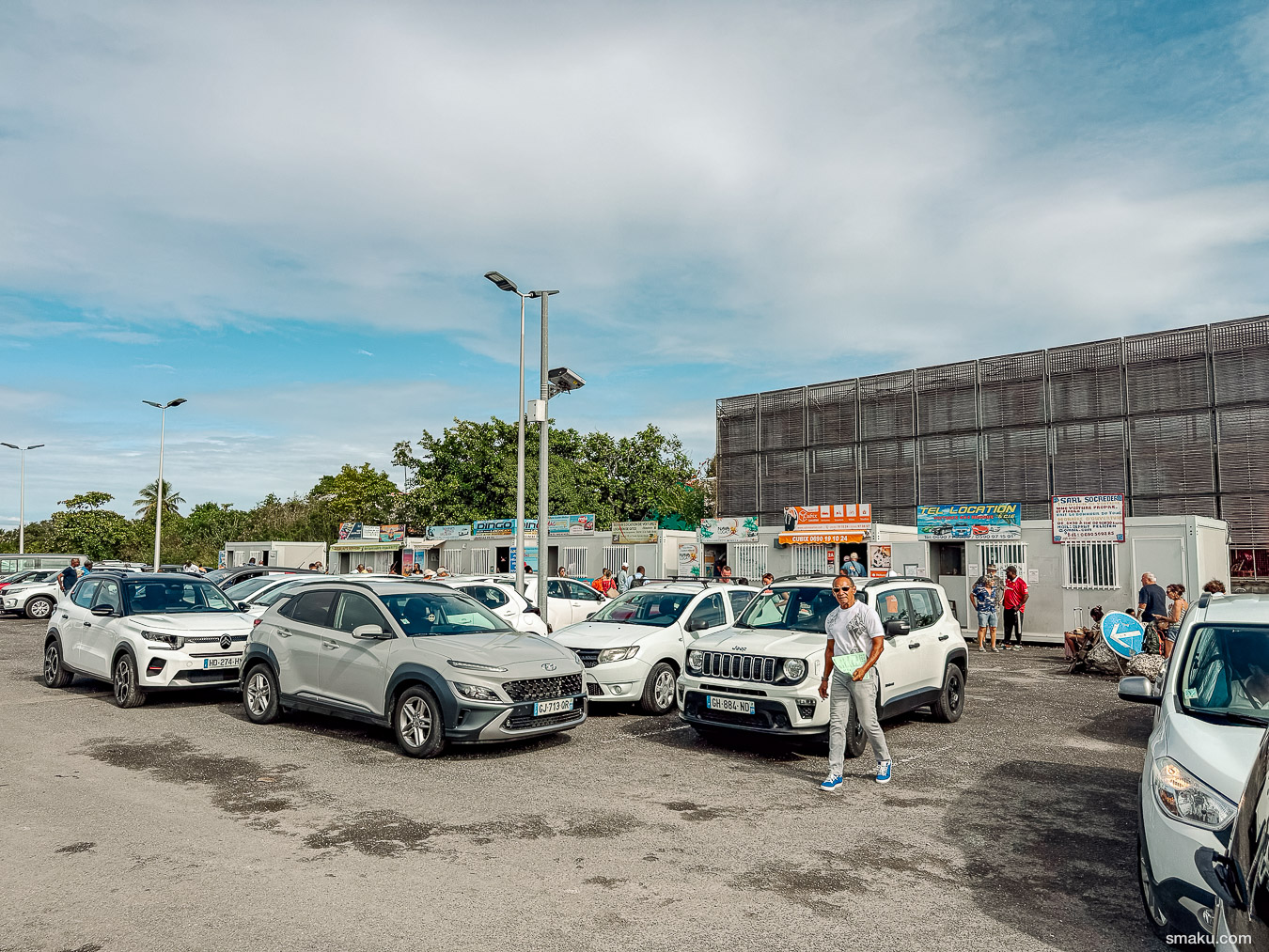
In hindsight though, if you have your credit card inside your mobile phone (the Wallet app on iOS), you should be able to tap with it to rent your vehicle as it has already been securely added to your phone.
Overall we felt Marie Galante to be much more laid back. Time moves slower, allowing you to fully relax and be present in the moment.

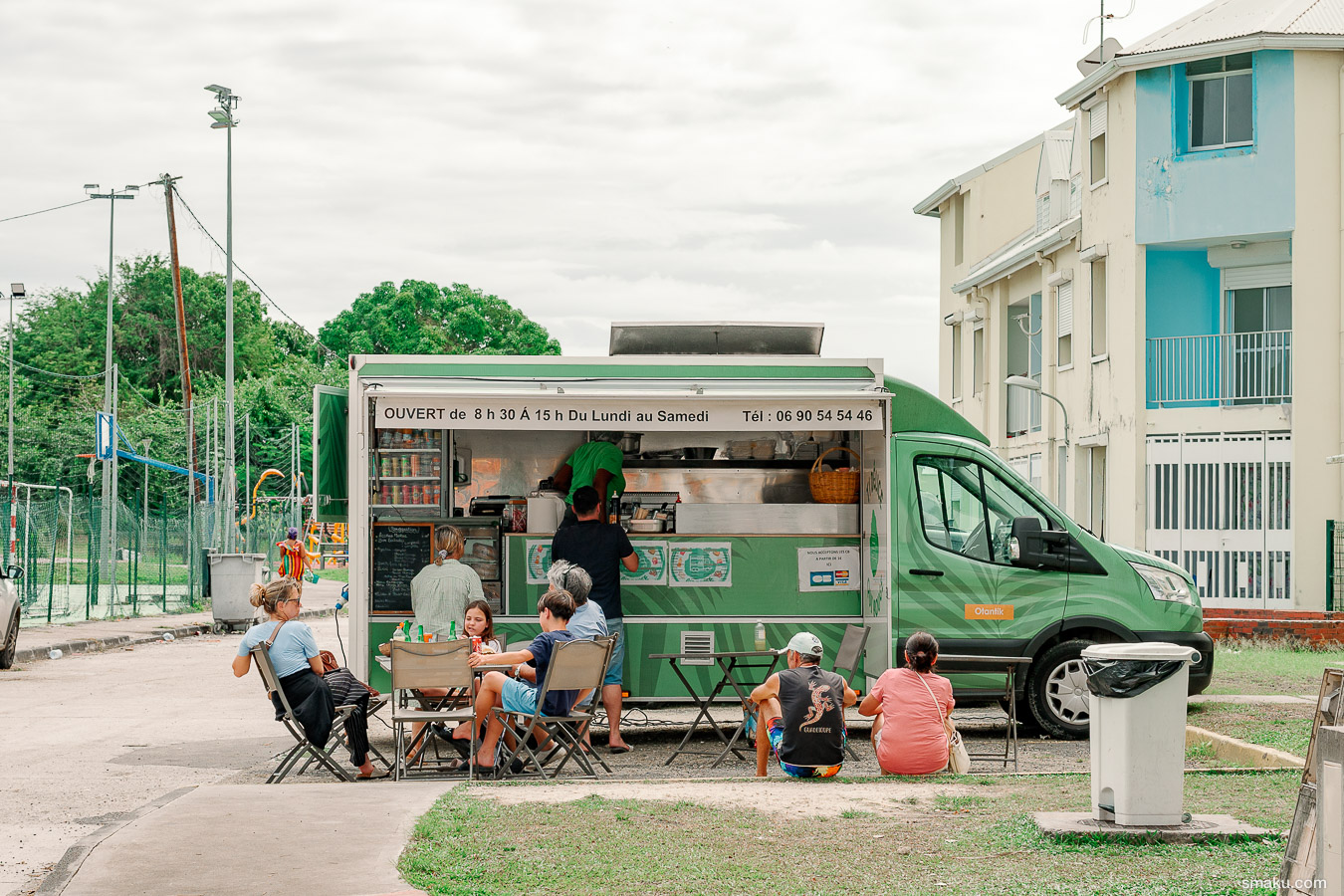
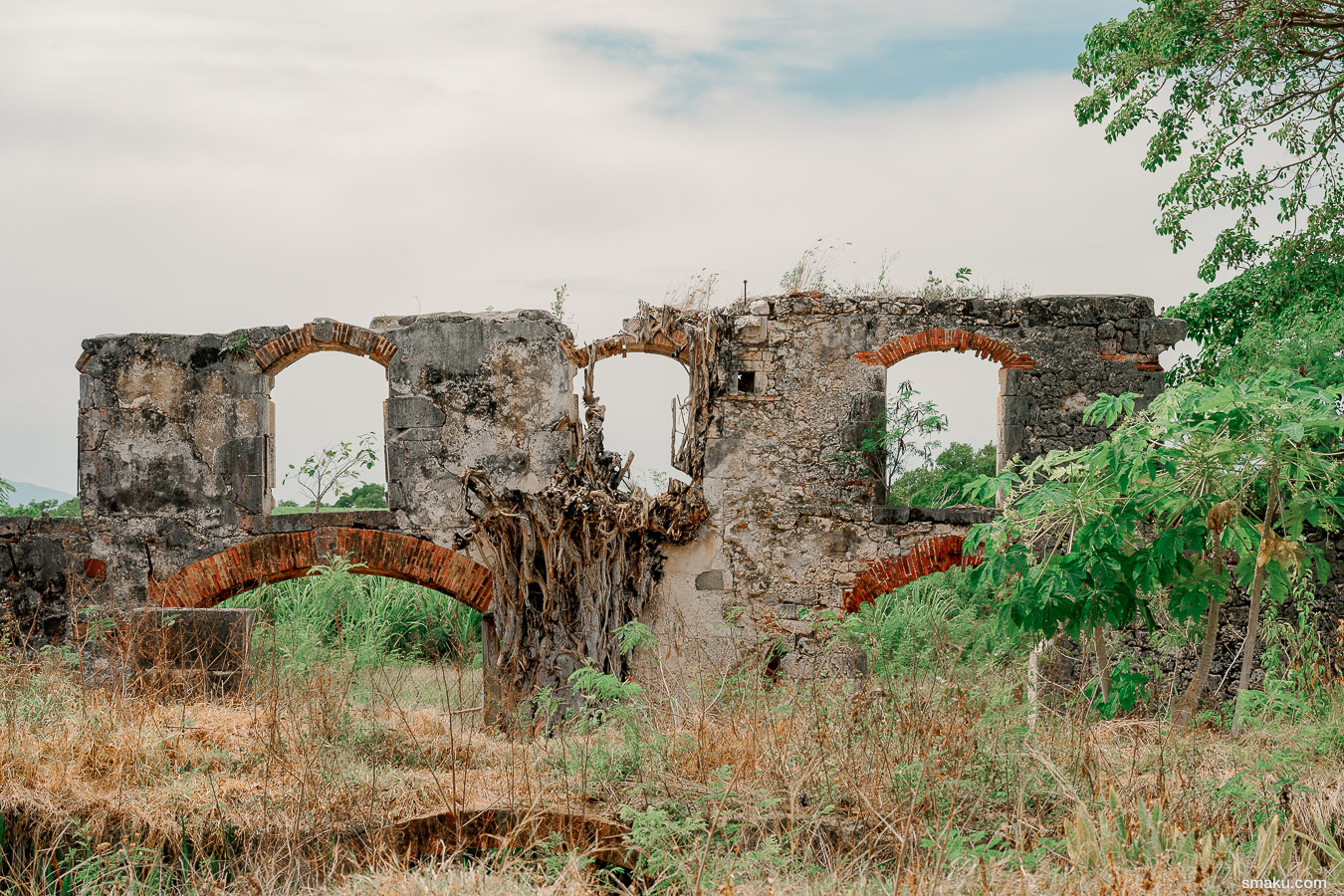
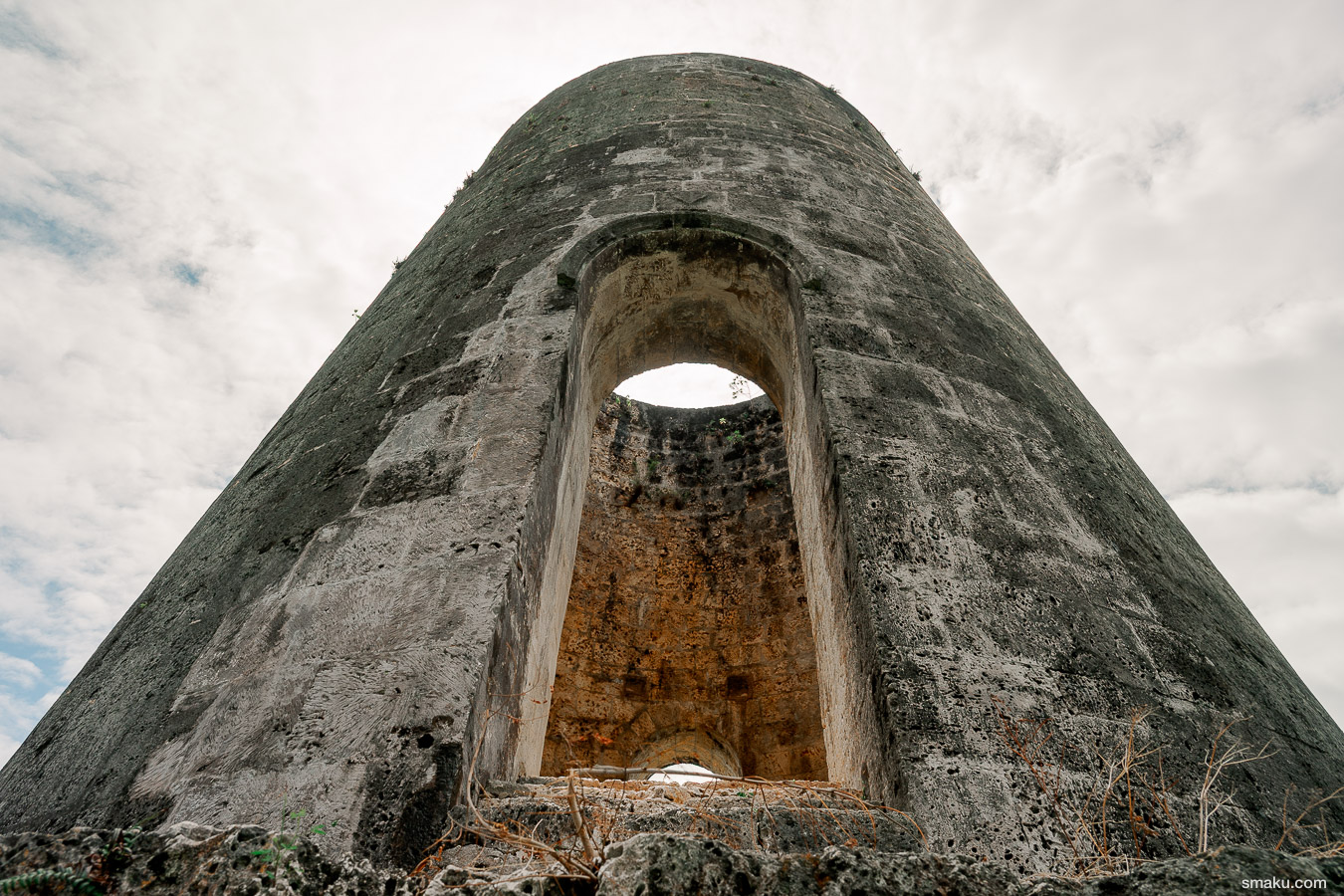
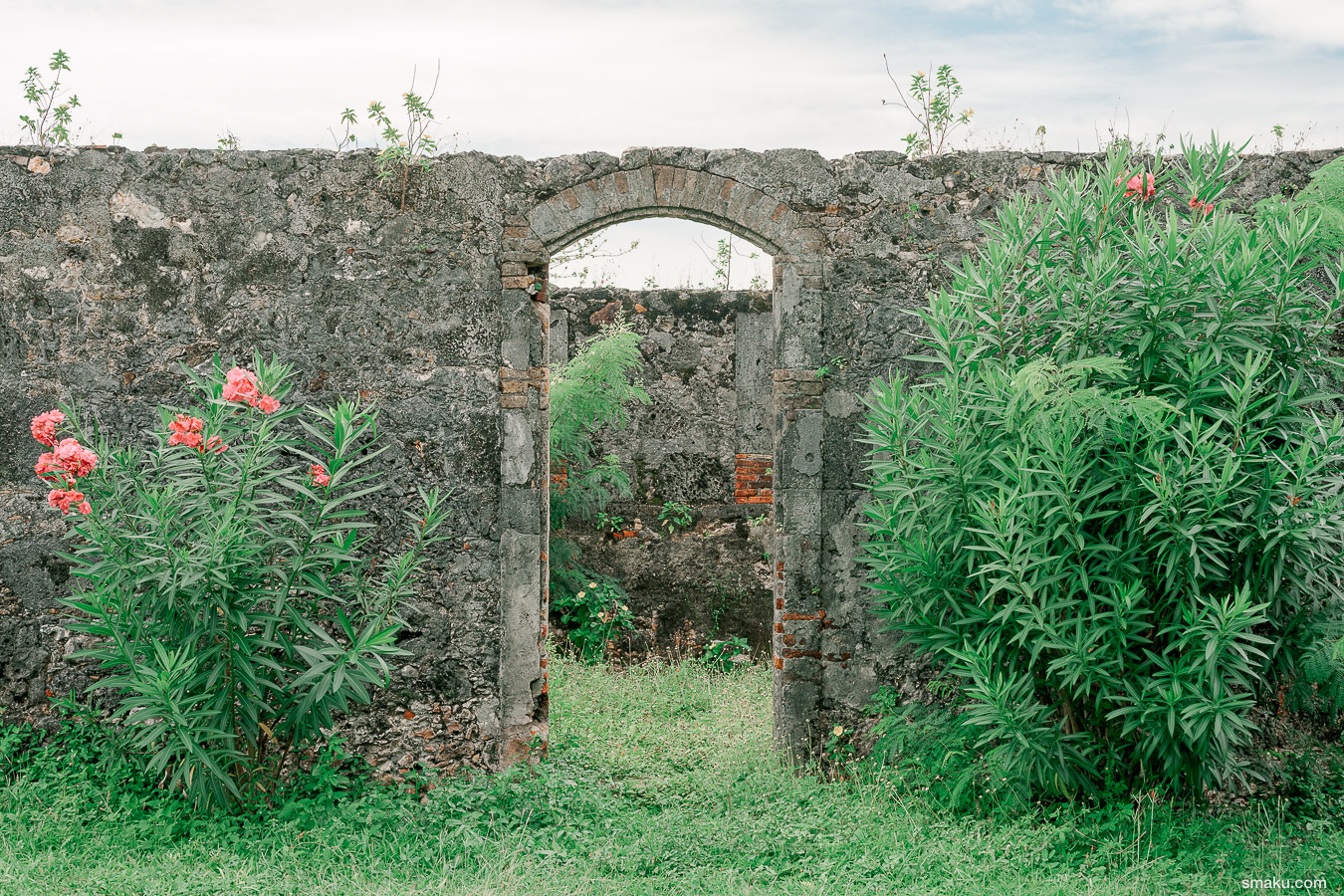
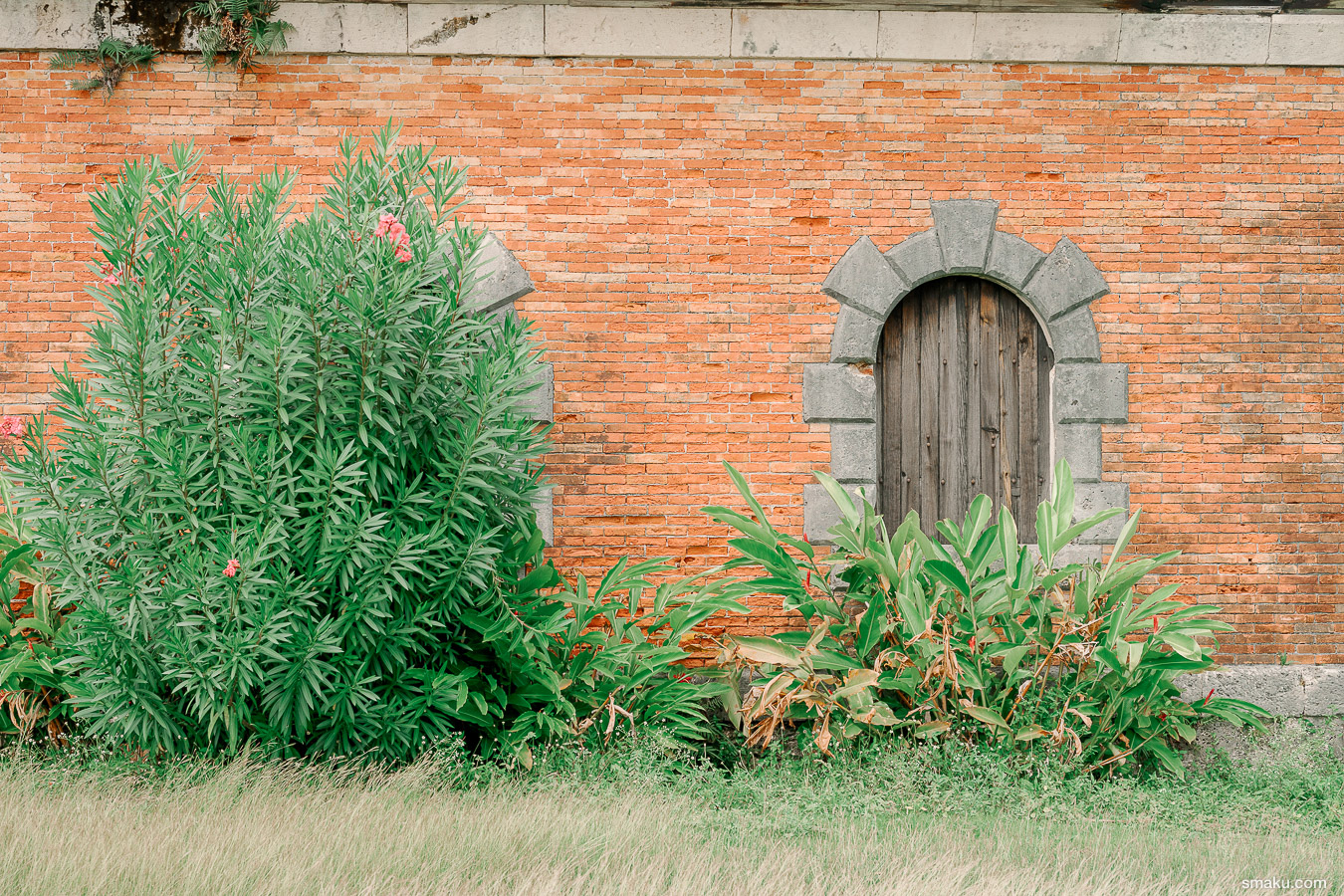
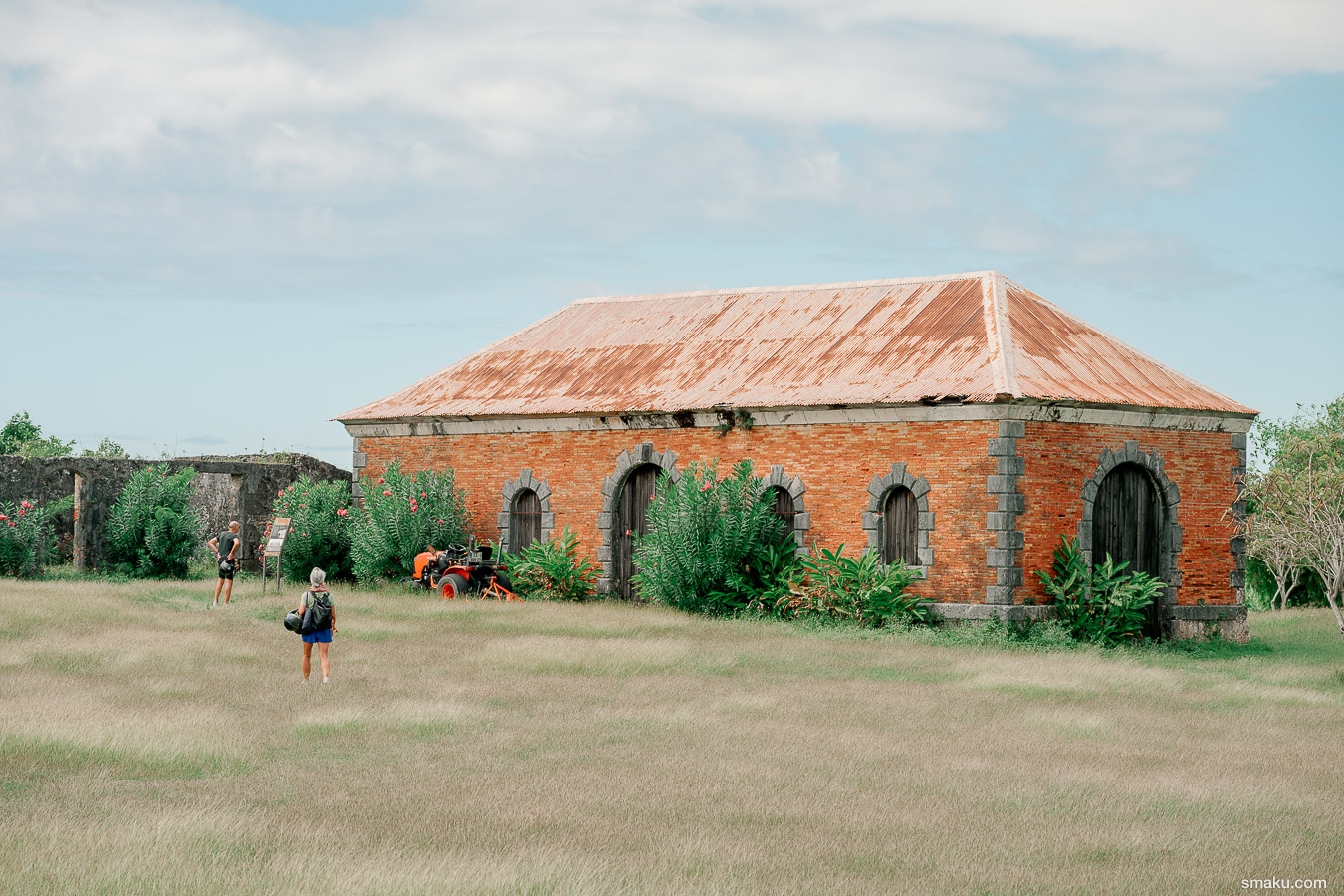
While we weren’t able to visit any of the many beaches lining the coastlines of Marie Galante, we did do a full walk around the port area, and to the Habitation Roussel-Trianon, which features ruins of a colonial-era sugar factory.
Terre-de-Haute
We went to Terre-de-Haute with CTM Deher, departing from Trois Riviere in Basse-Terre at 8:15am. We had to arrive around 30 minutes before departure which meant arriving there around 7:45am. It’s an hour drive away from our hotel, driving in the early morning hours, so we left early arriving there for around 7am. Parking is right by the port and was about 3 Euros, paid upon arrival.
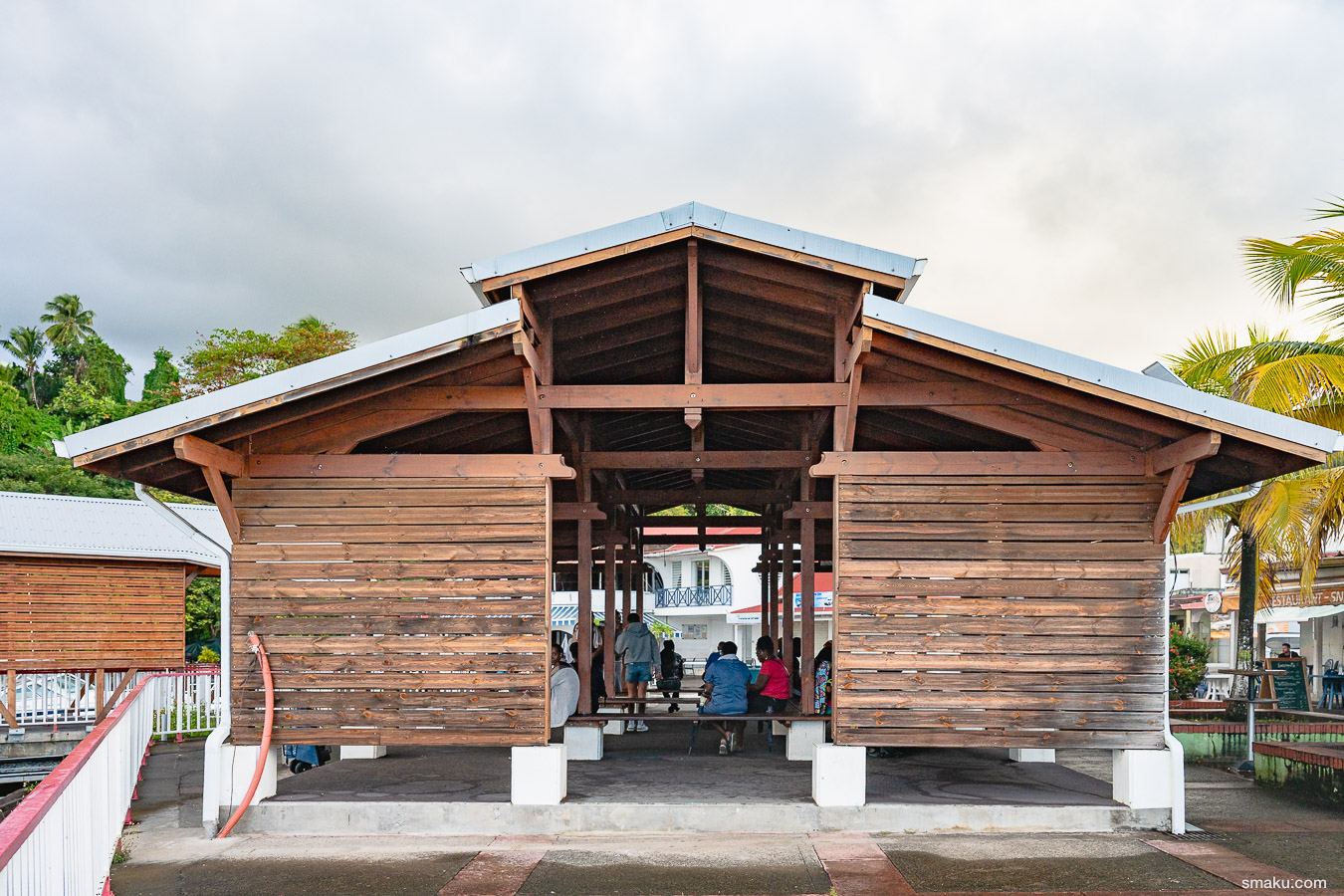
For whatever reason our ferry left about 30 minutes earlier than scheduled, so I’m glad we were there well in advance!
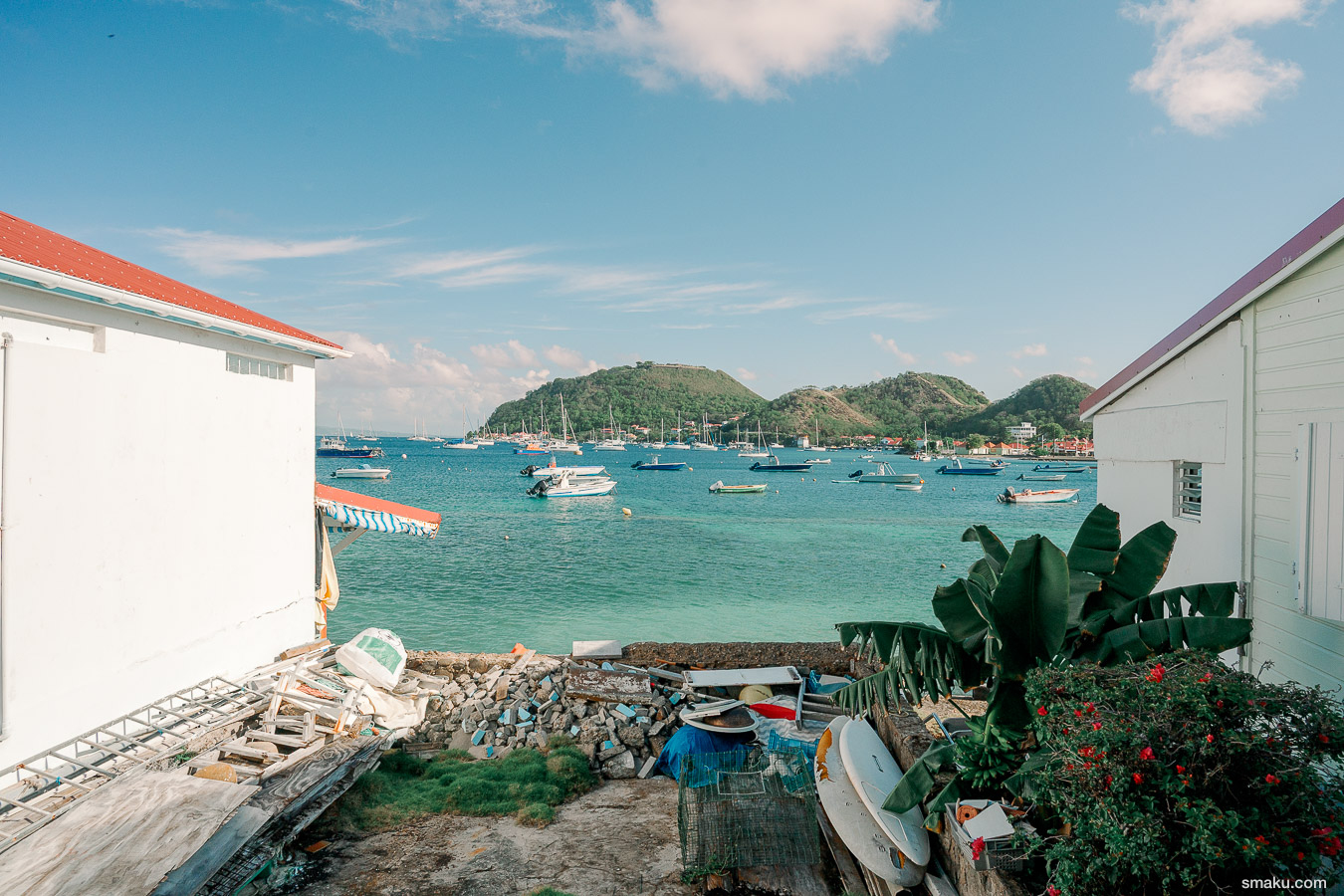
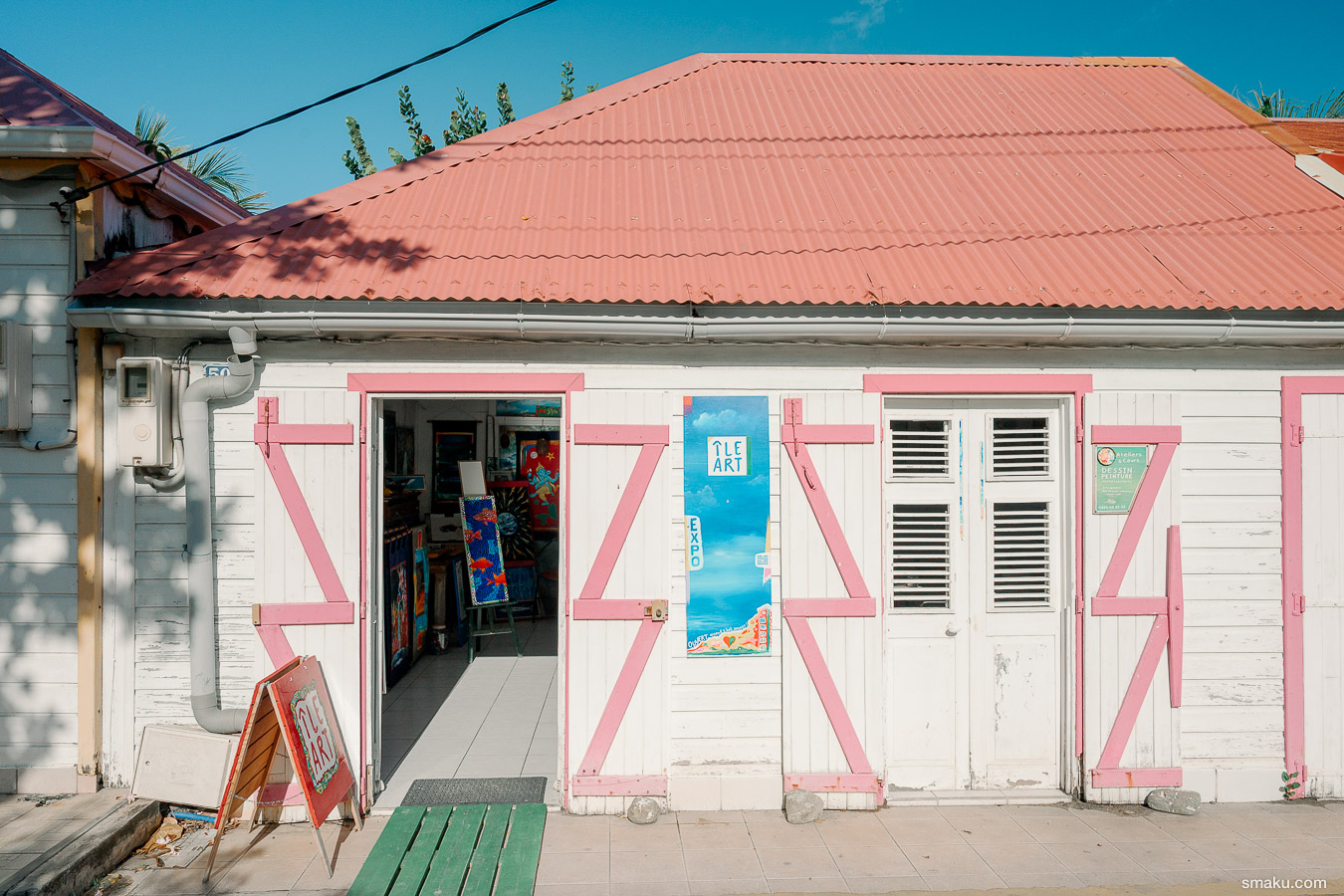
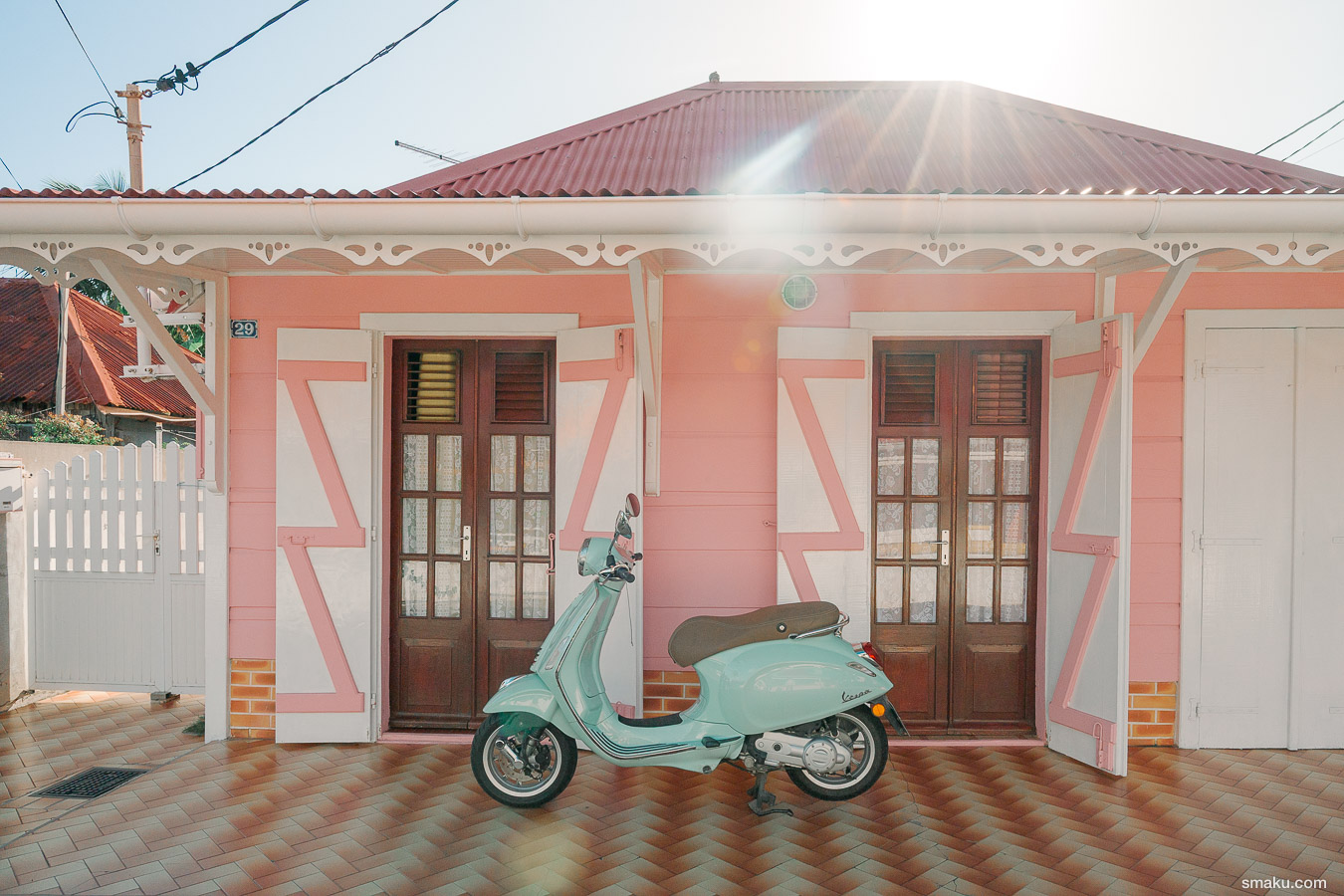
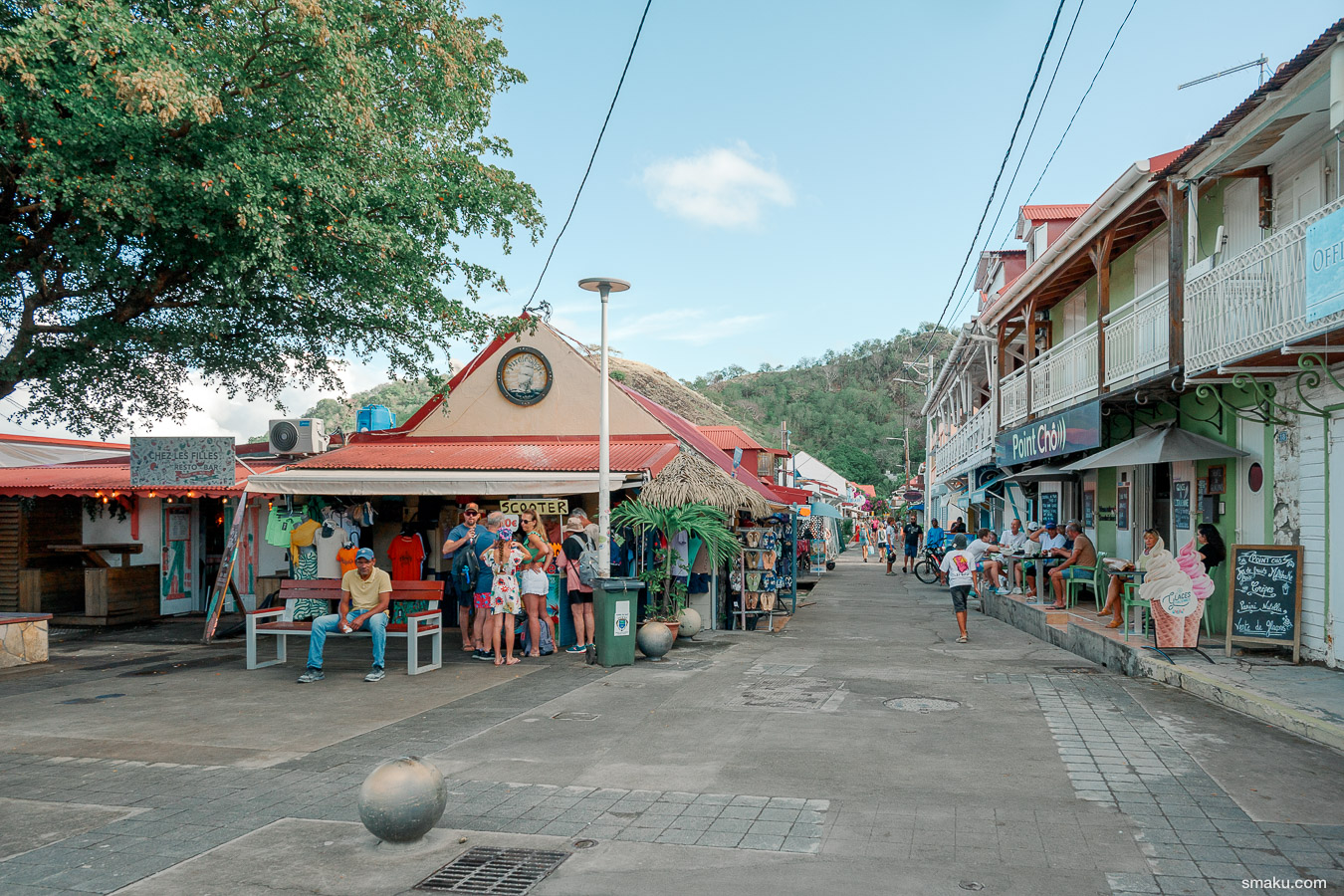
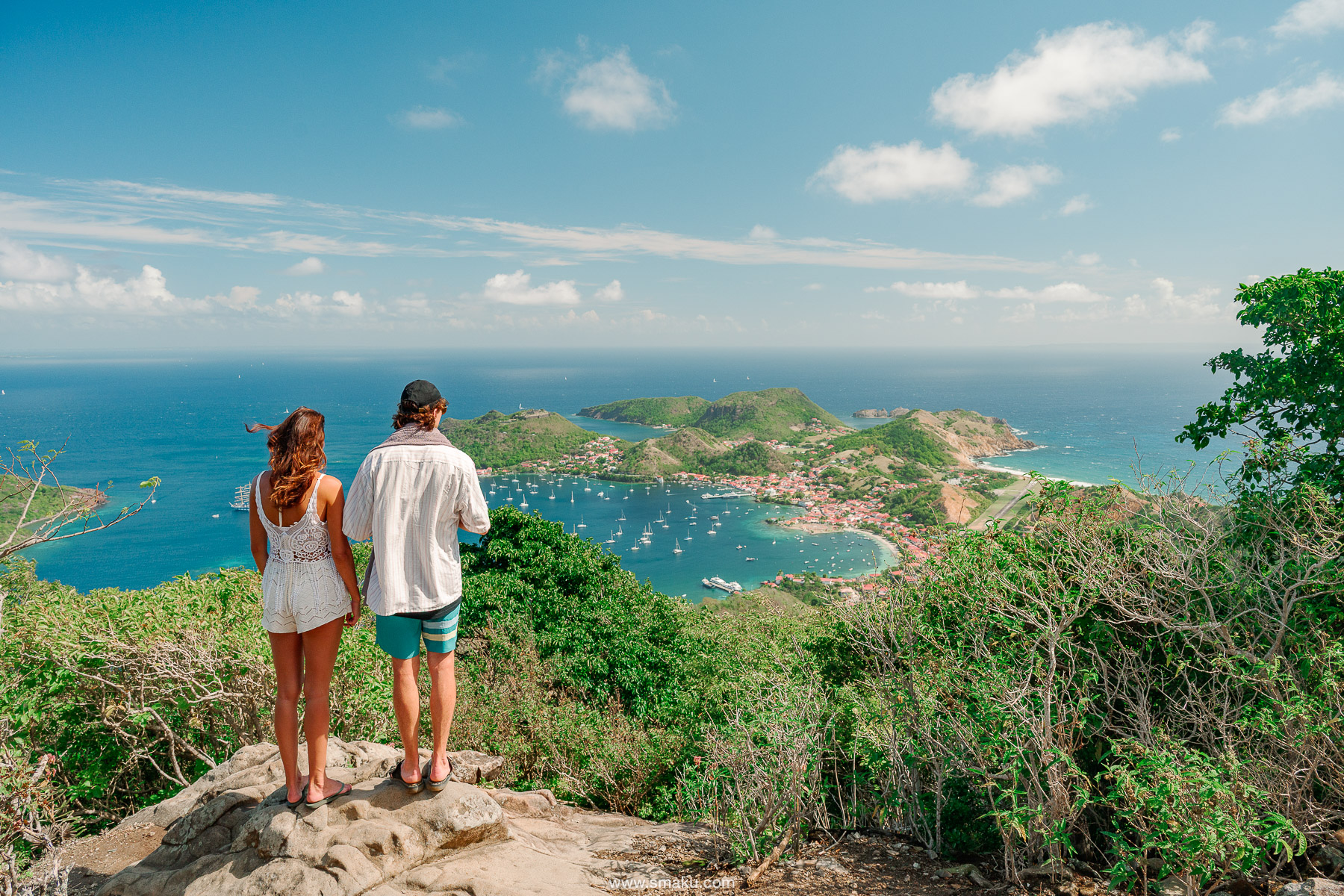
Terre-de-Haute boasts one of the most beautiful bays in the world, so we had to take in the scenery from up above. There are two main hiking routes that allow you to do this, accessible from town: Le Chameau, and Fort Napoléon.
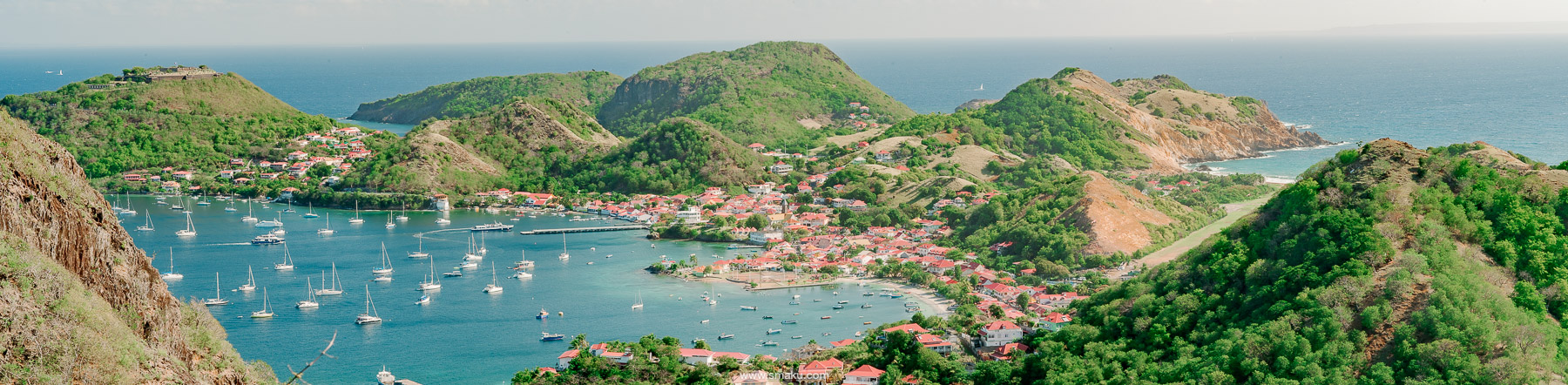
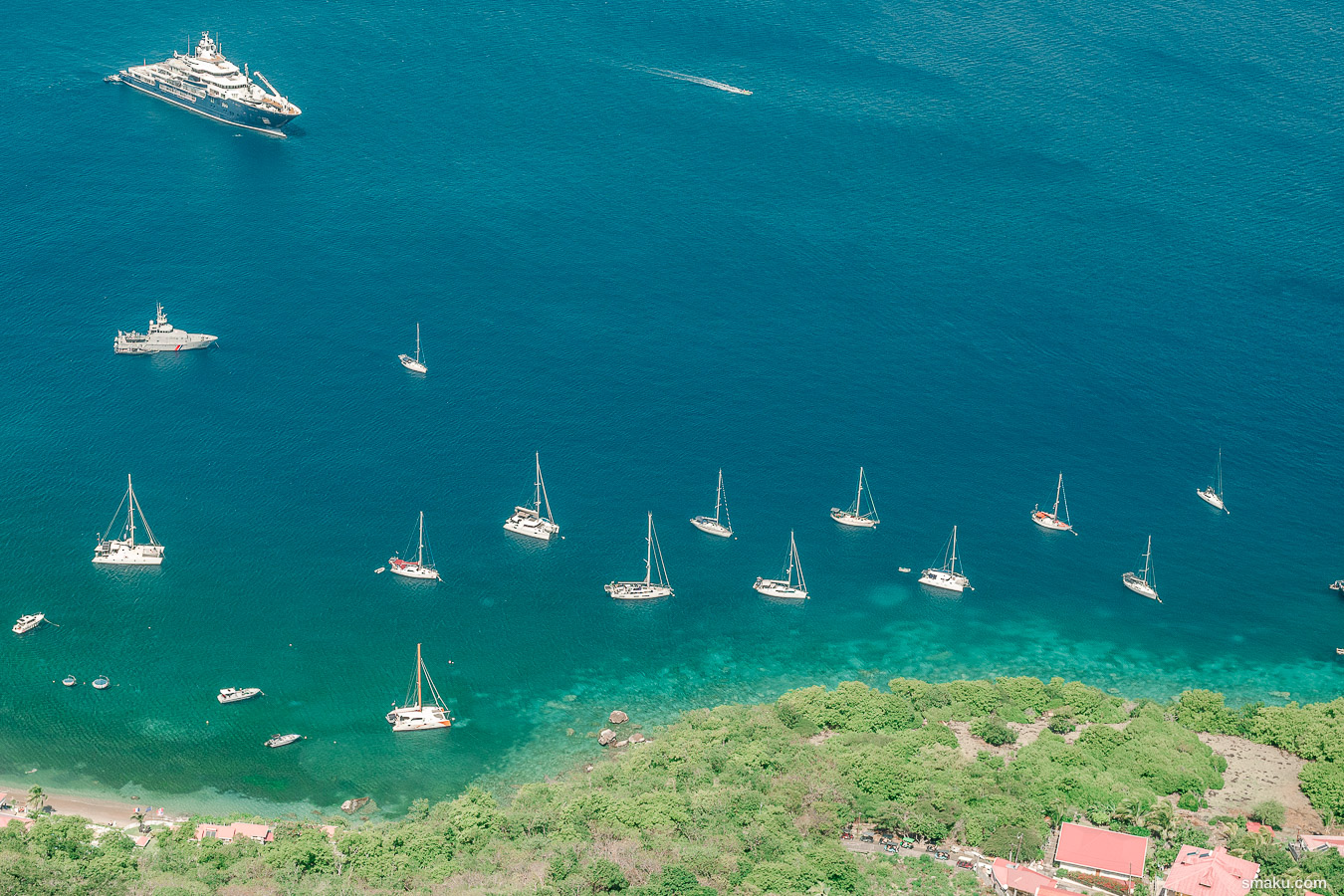
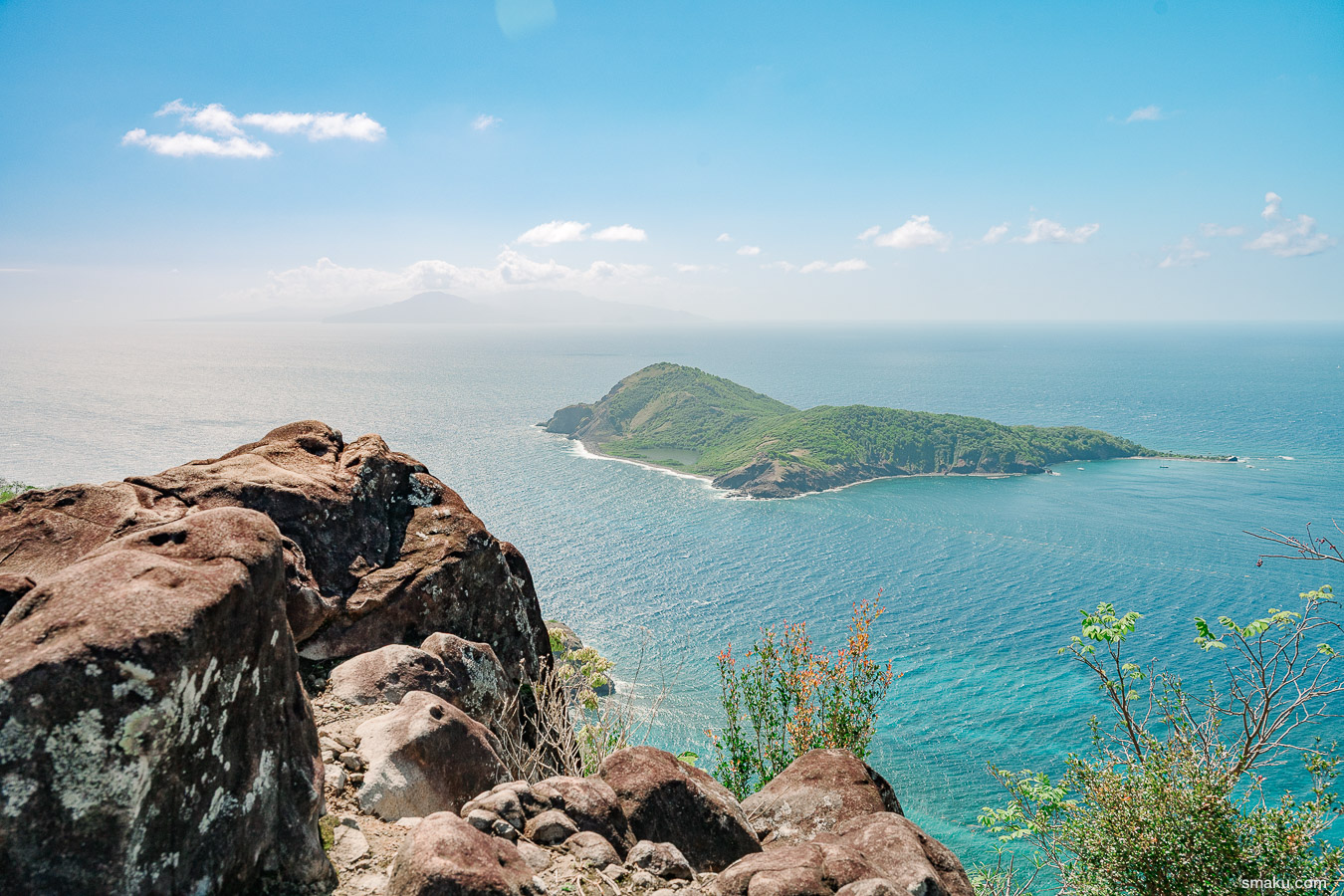
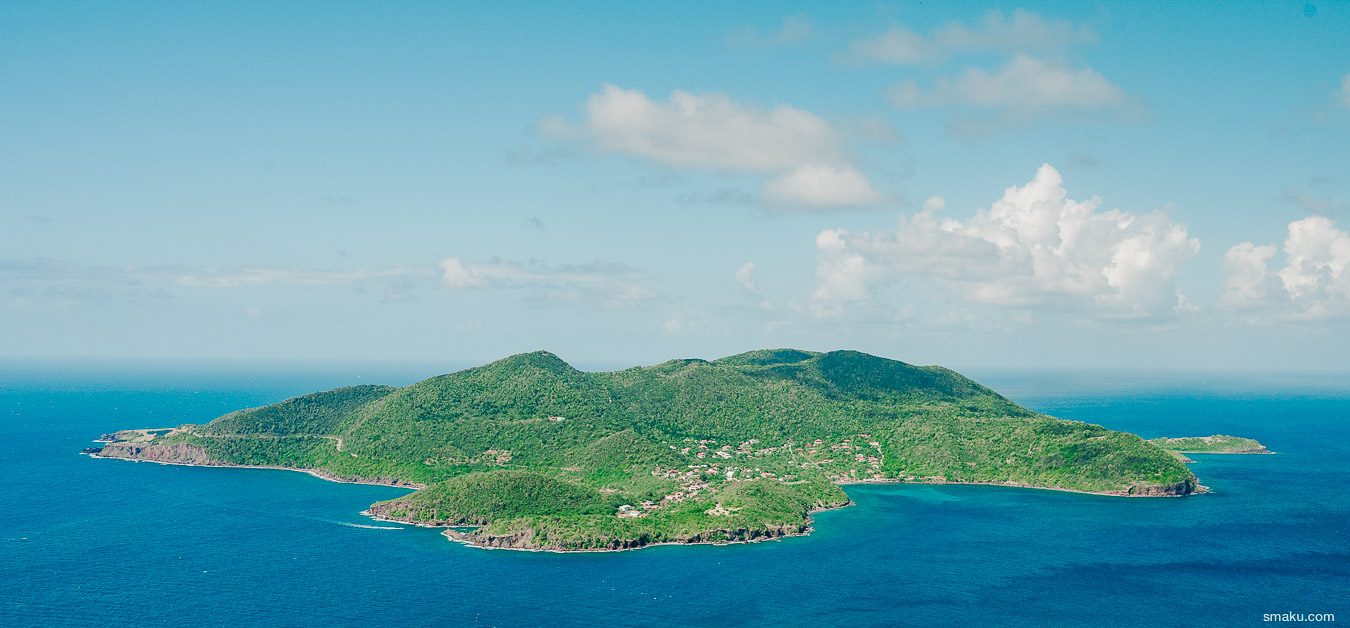
If you have the time, I would do both hikes so you can get a fantastic view from both sides of the bay. But if you only have time to do just one, I would favour the hike to the tallest point on the island, Le Chameau. The views provided throughout the trails are breathtaking, and you’ll encounter some interesting wildlife as well.
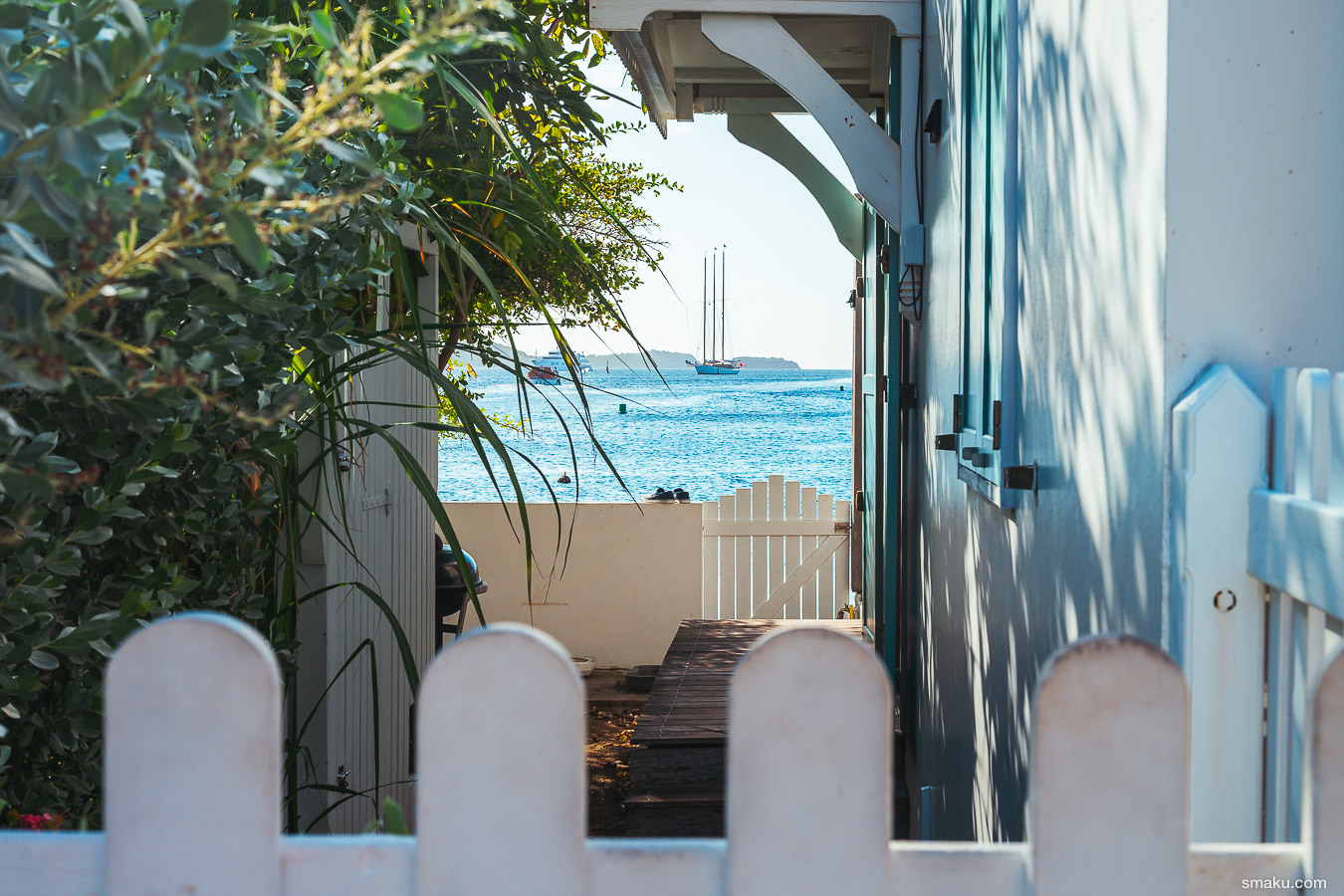

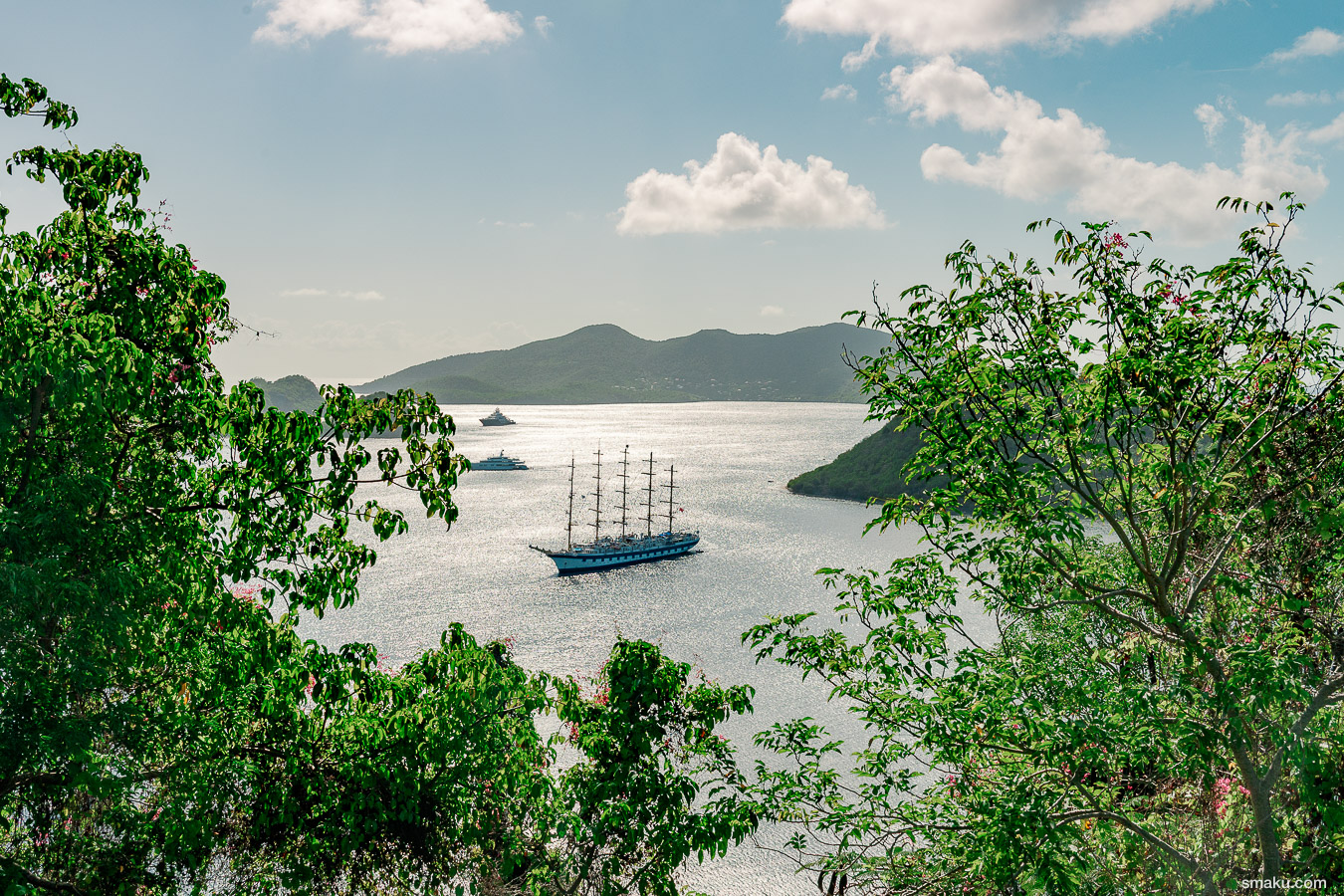
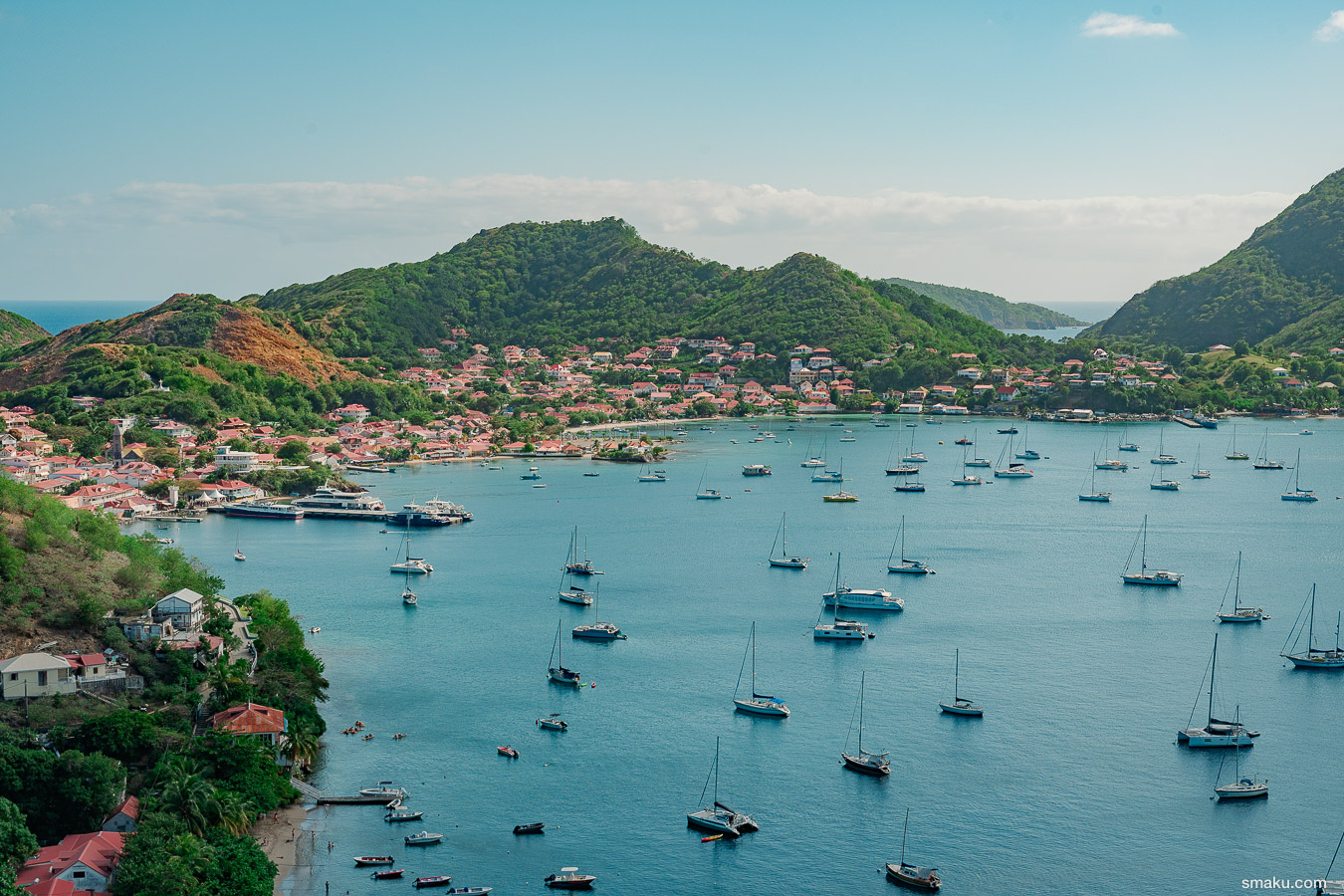
Keep in mind Fort Napoléon closes at 12:30pm. We still hiked all the way up to see the view from just outside the fort though.
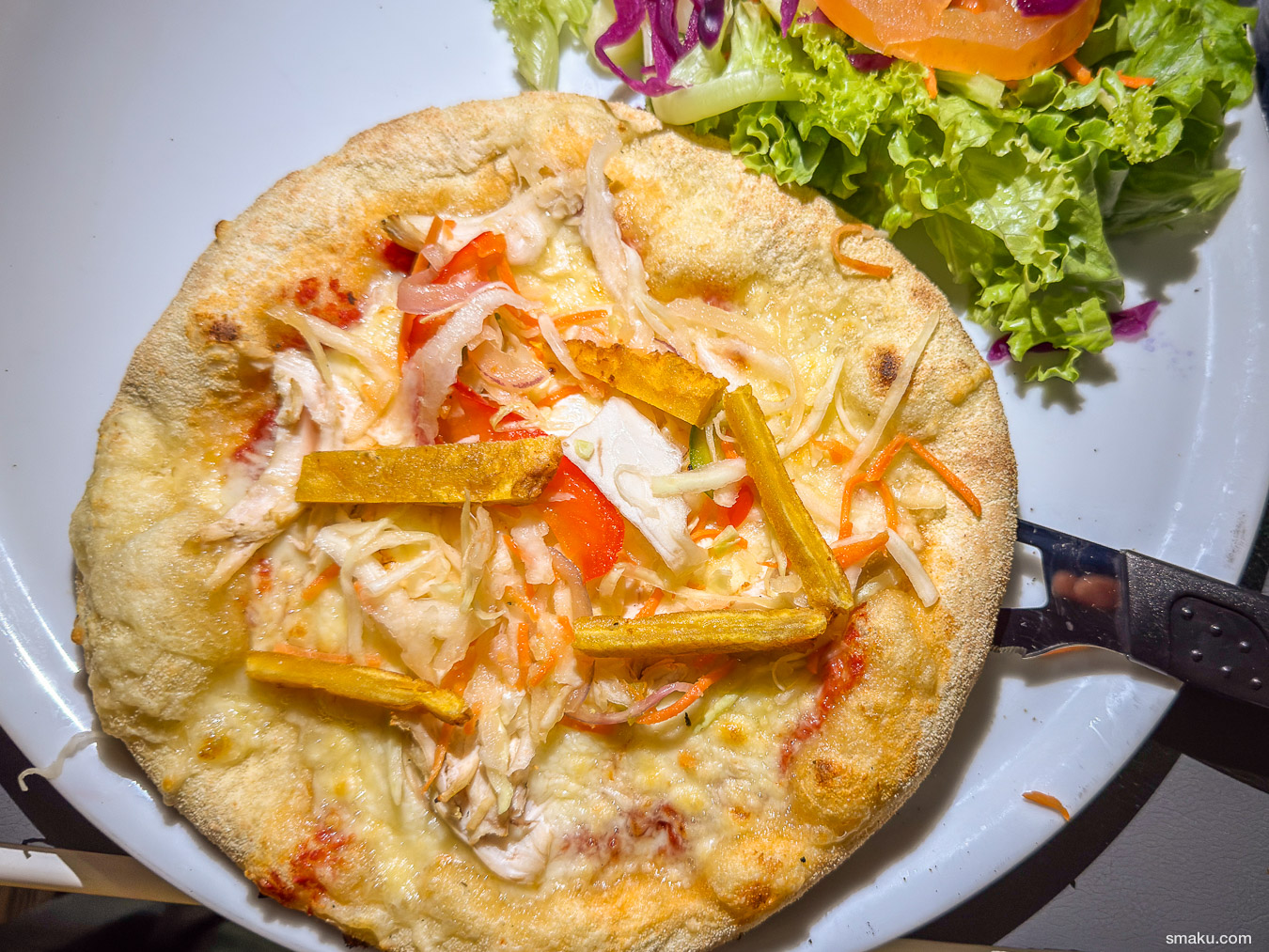
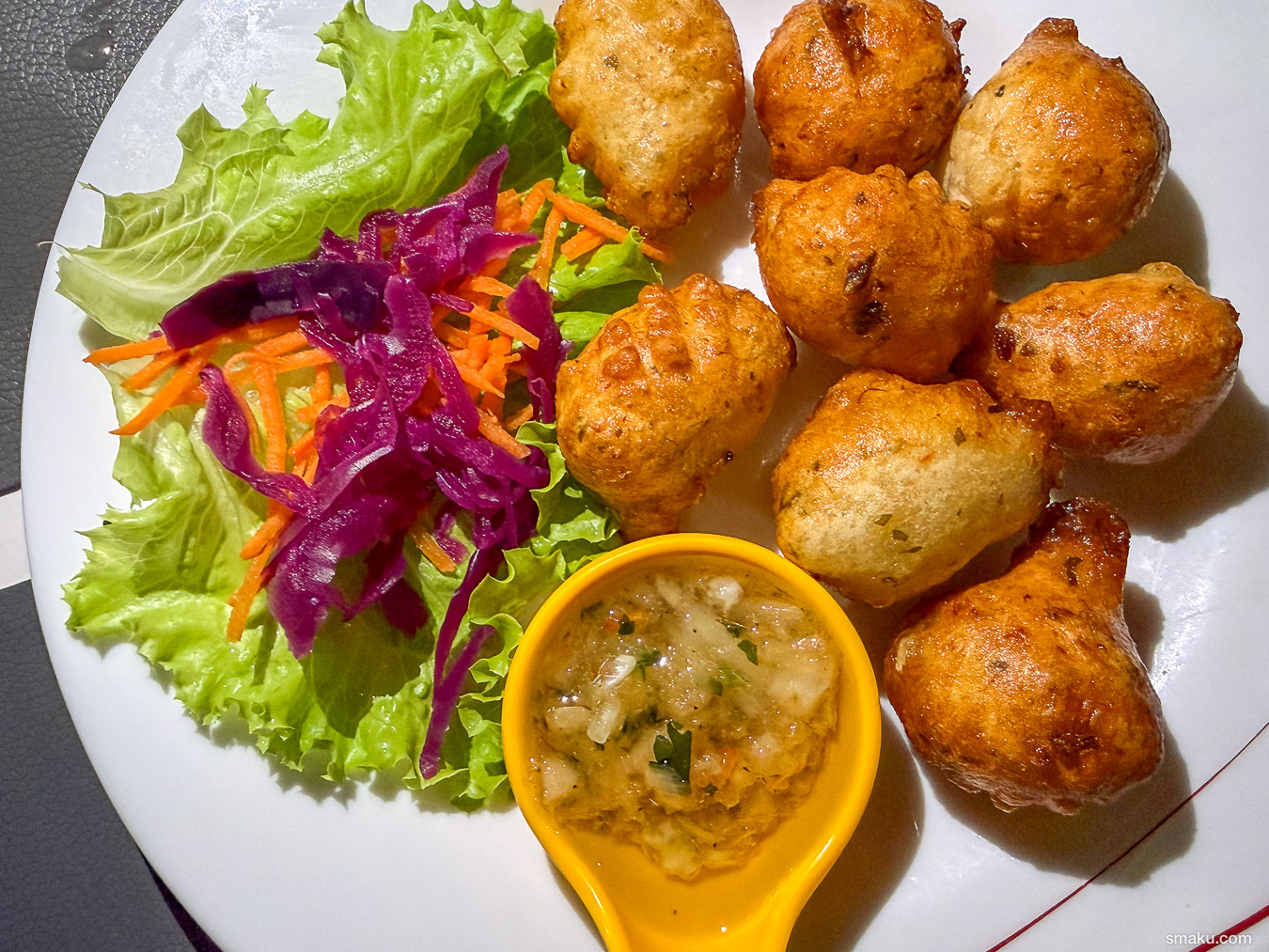
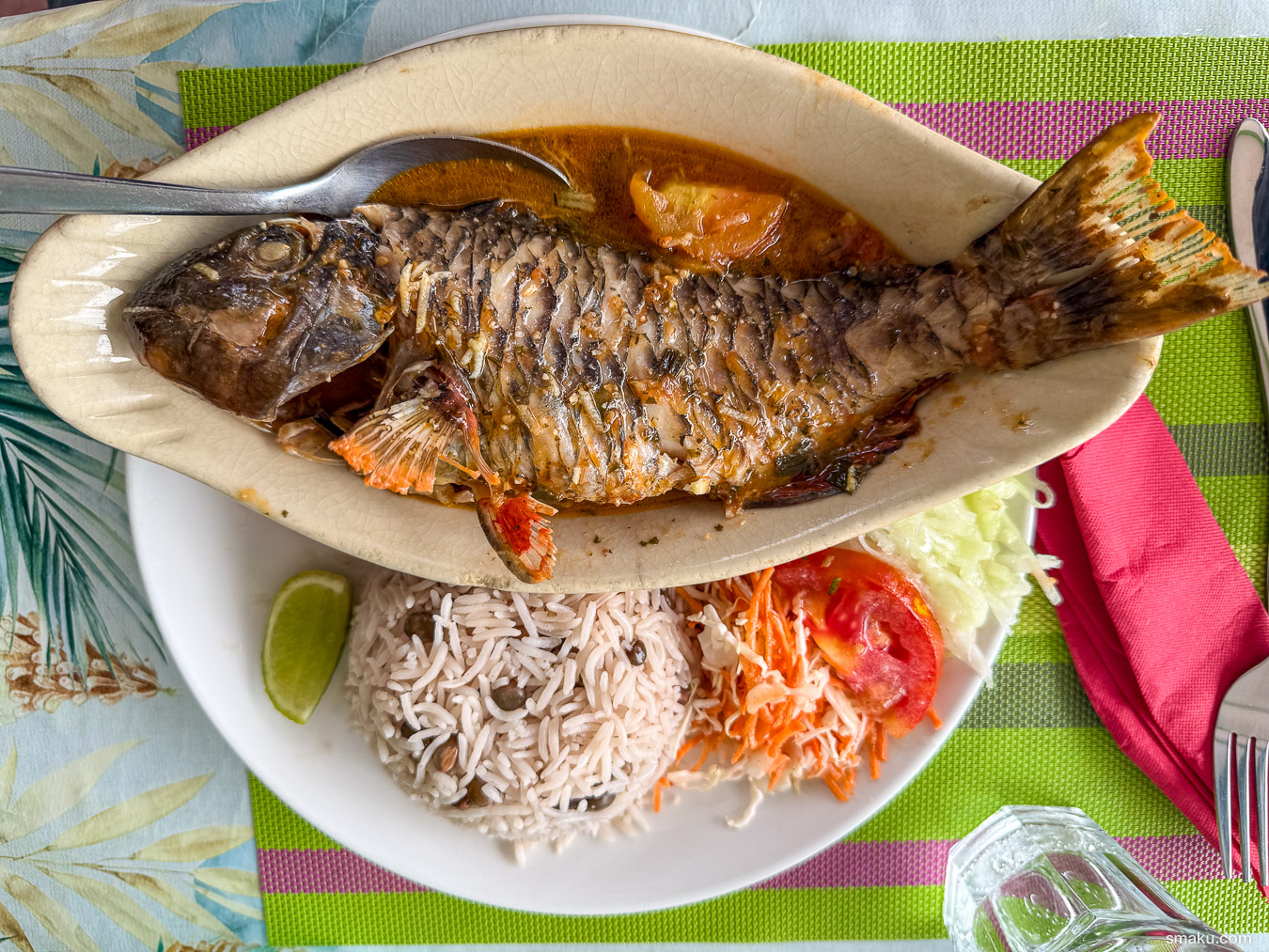
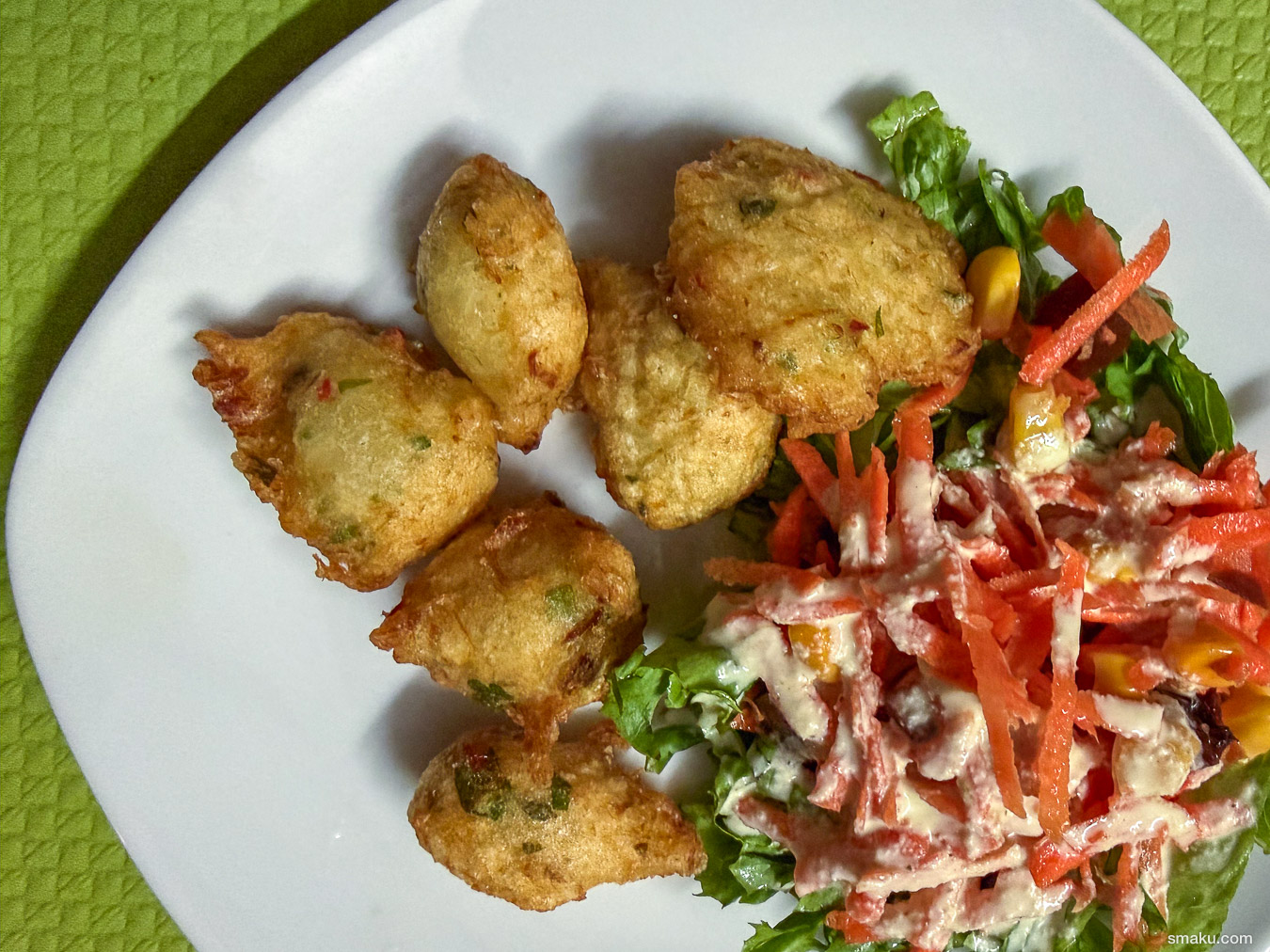
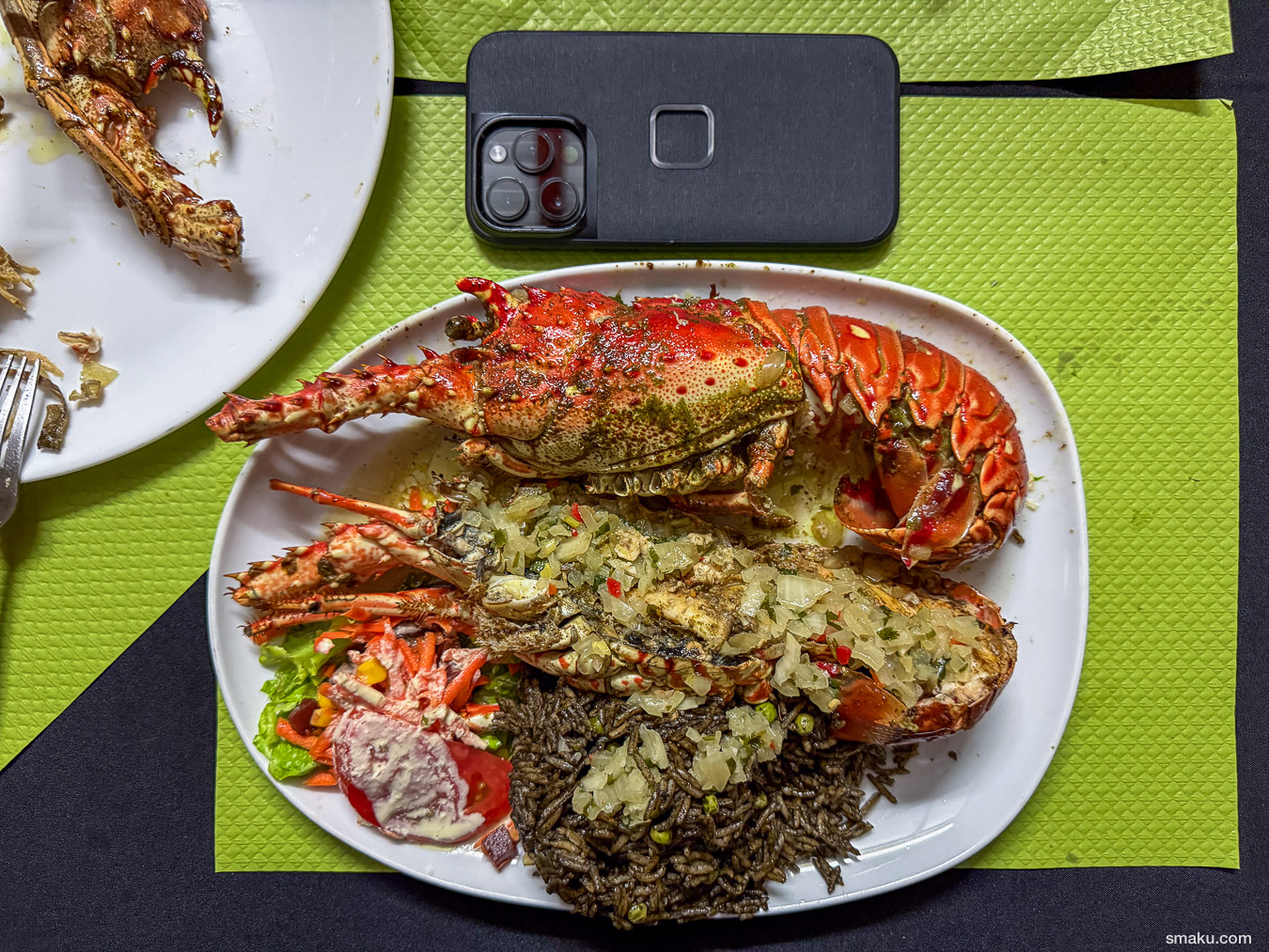
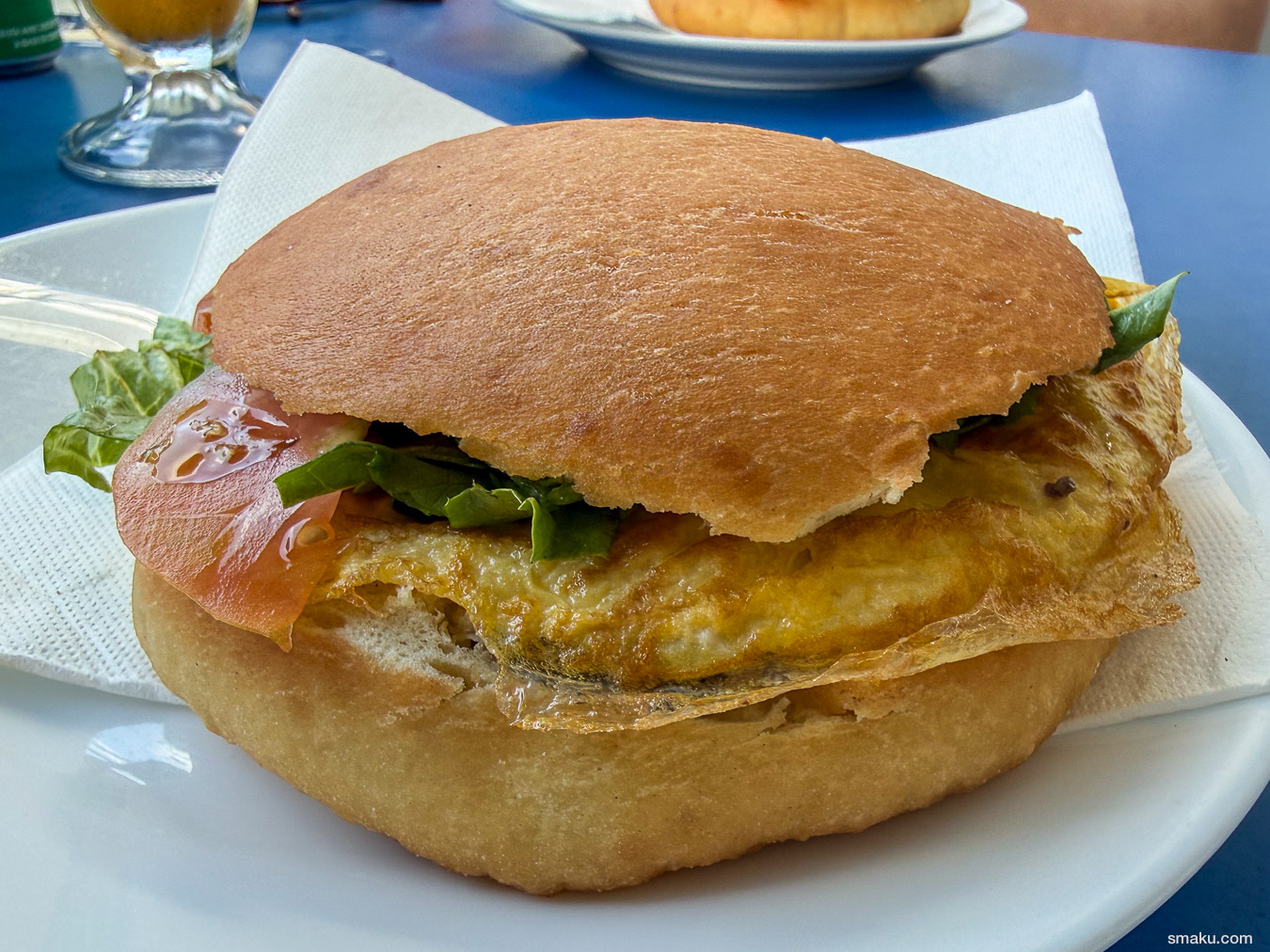
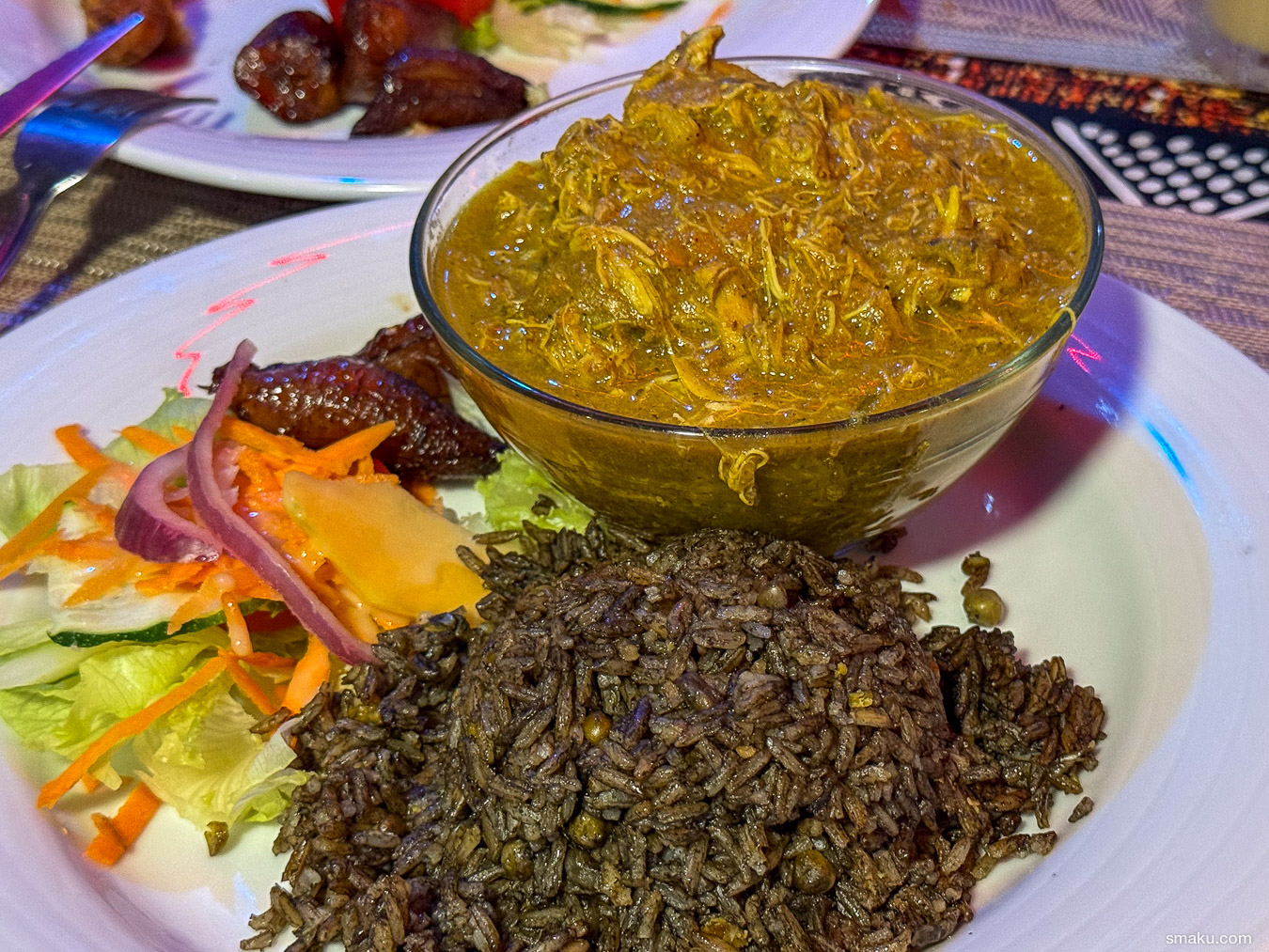
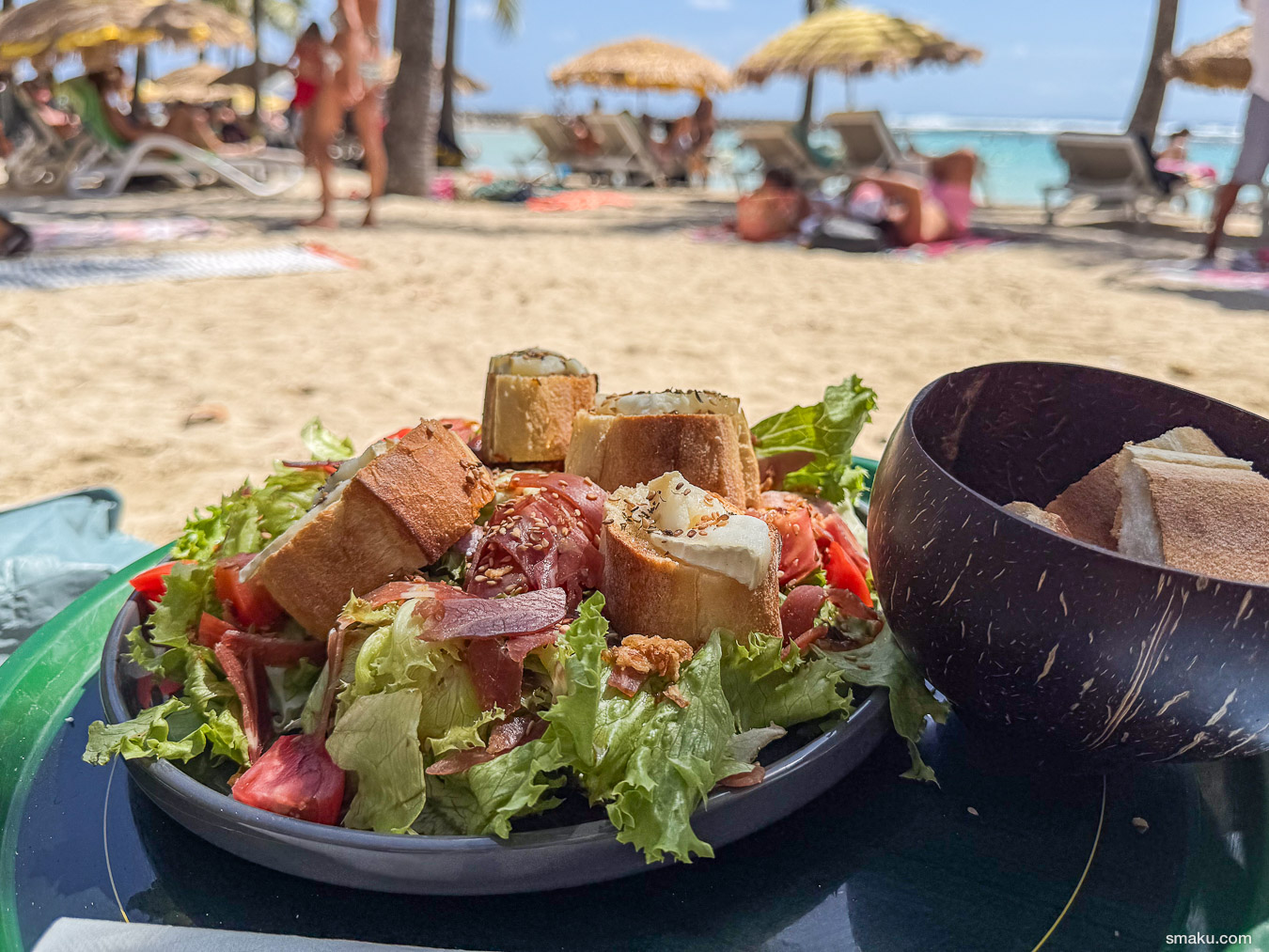
Culinary delights
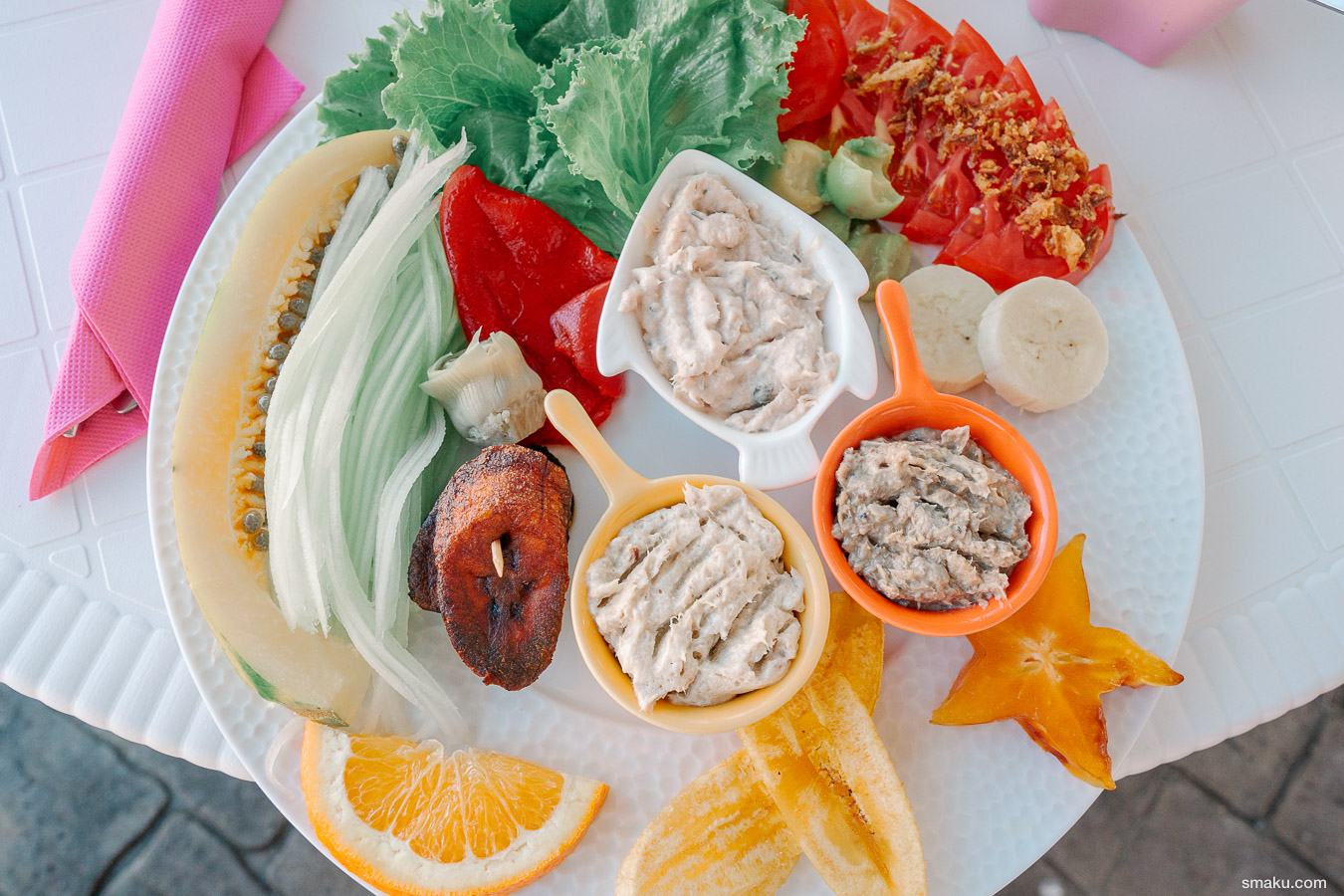
What you eat on your vacation will inevitably make an impression on your overall vacation. And while some people may put less importance on the culinary delights of their destination, I am all for experiencing the true flavours of the places I visit.
That’s why I was looking forward to tasting the creole flavours infused with French influences, all made with the freshest ingredients from the island. And it did not dissapoint! It’s also worth noting that many—if not all—of the dishes are always subtly flavoured. Flavours are not over-bearing and always seemed to be just to our liking.

Wildlife
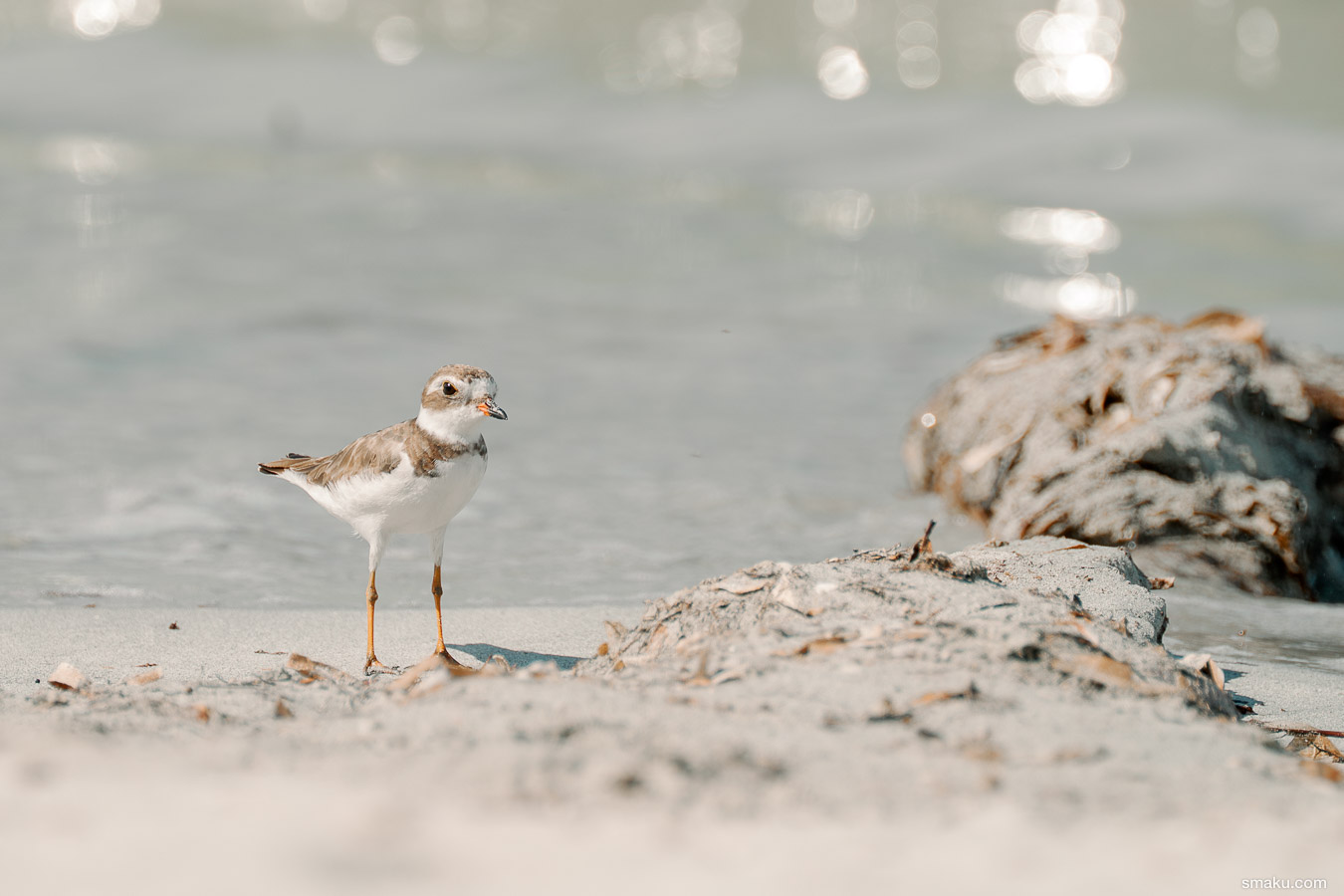
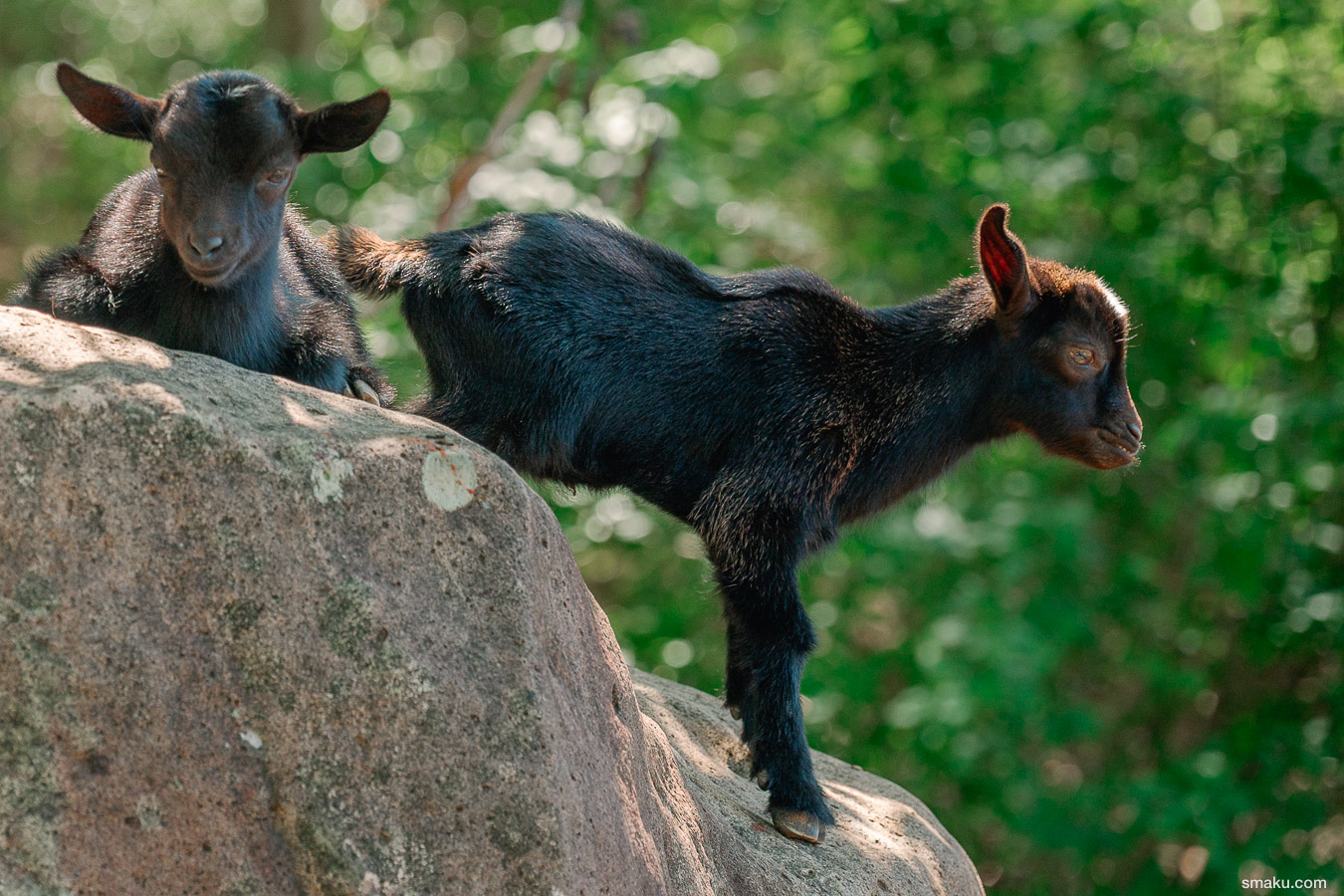
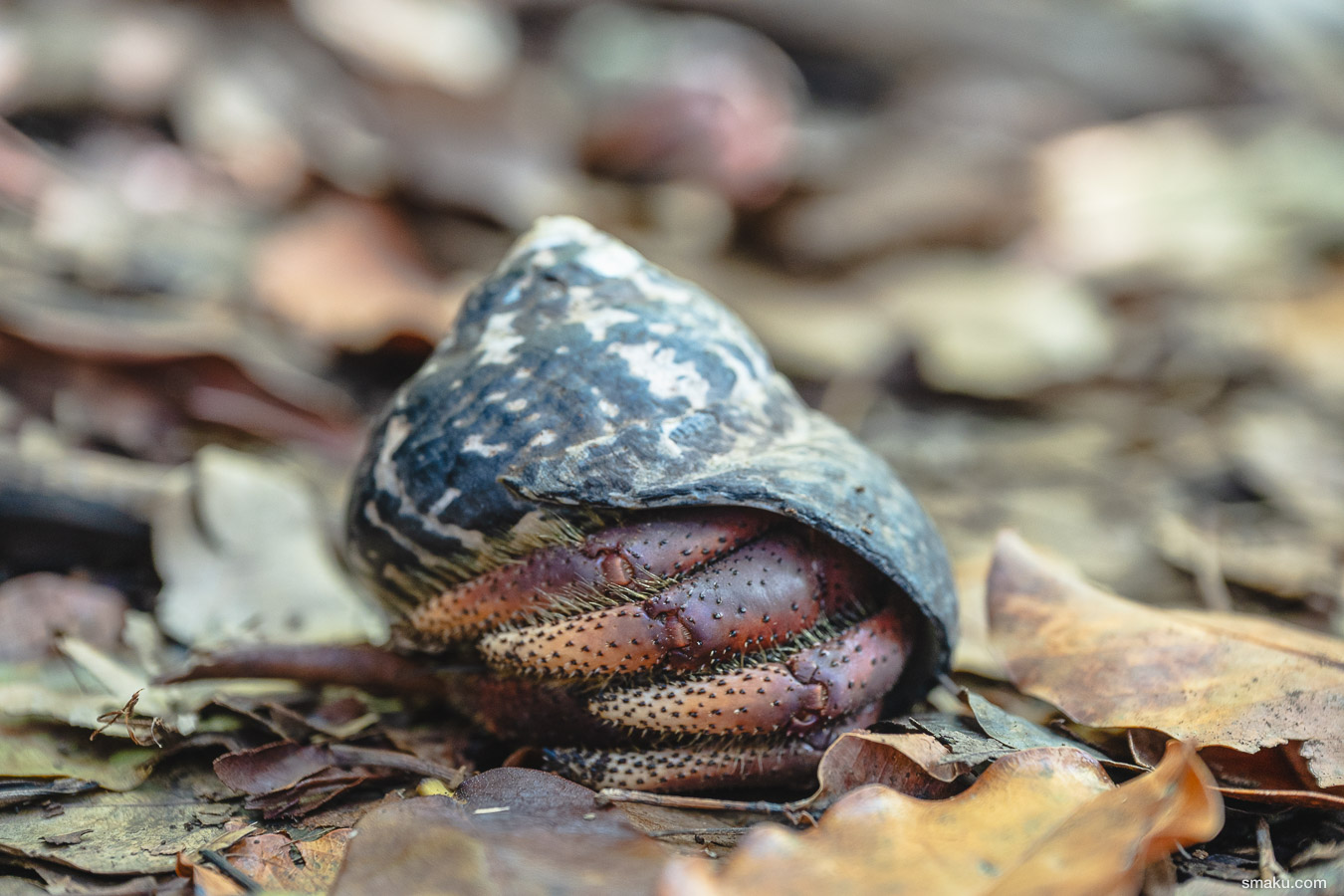
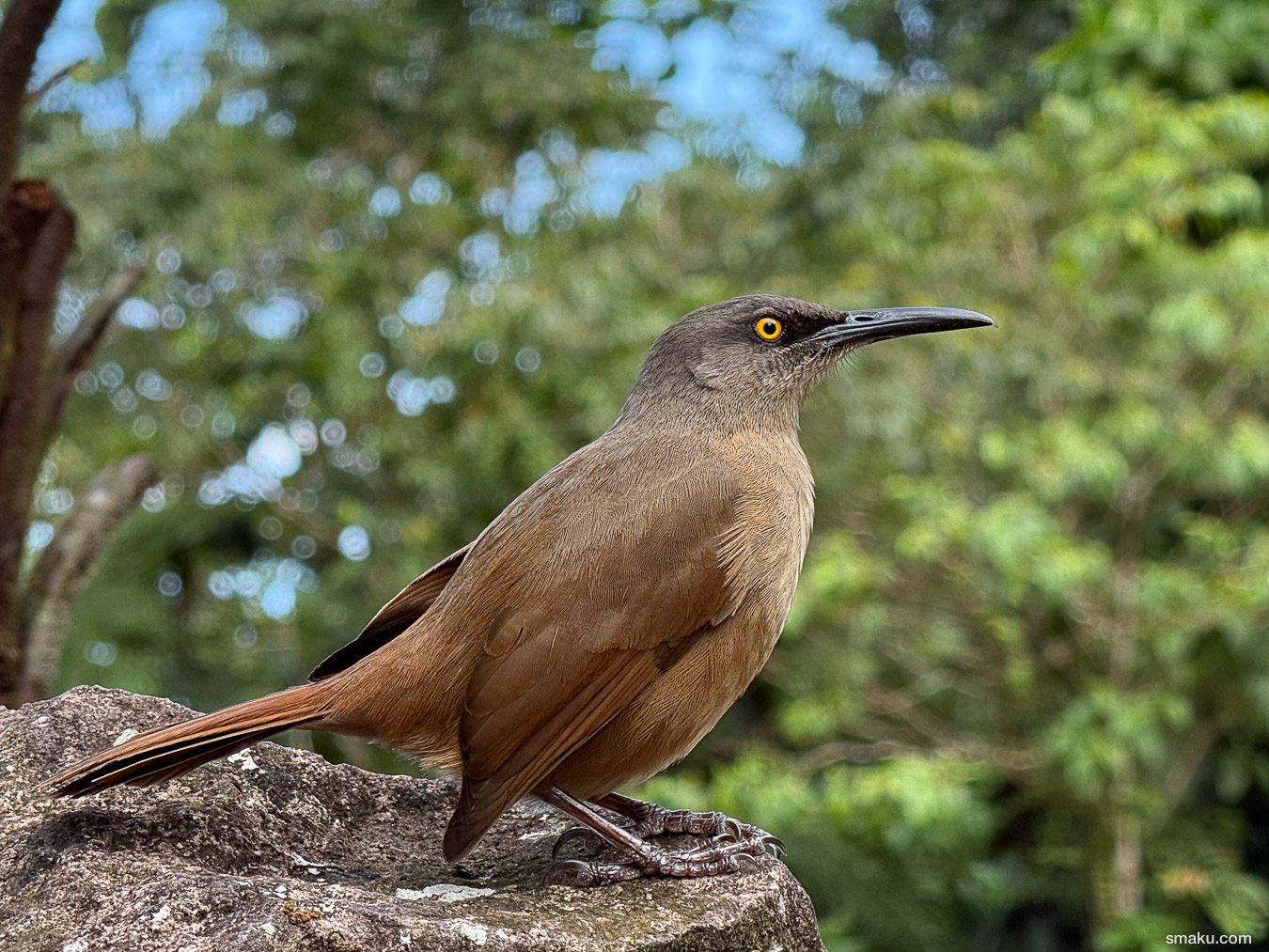
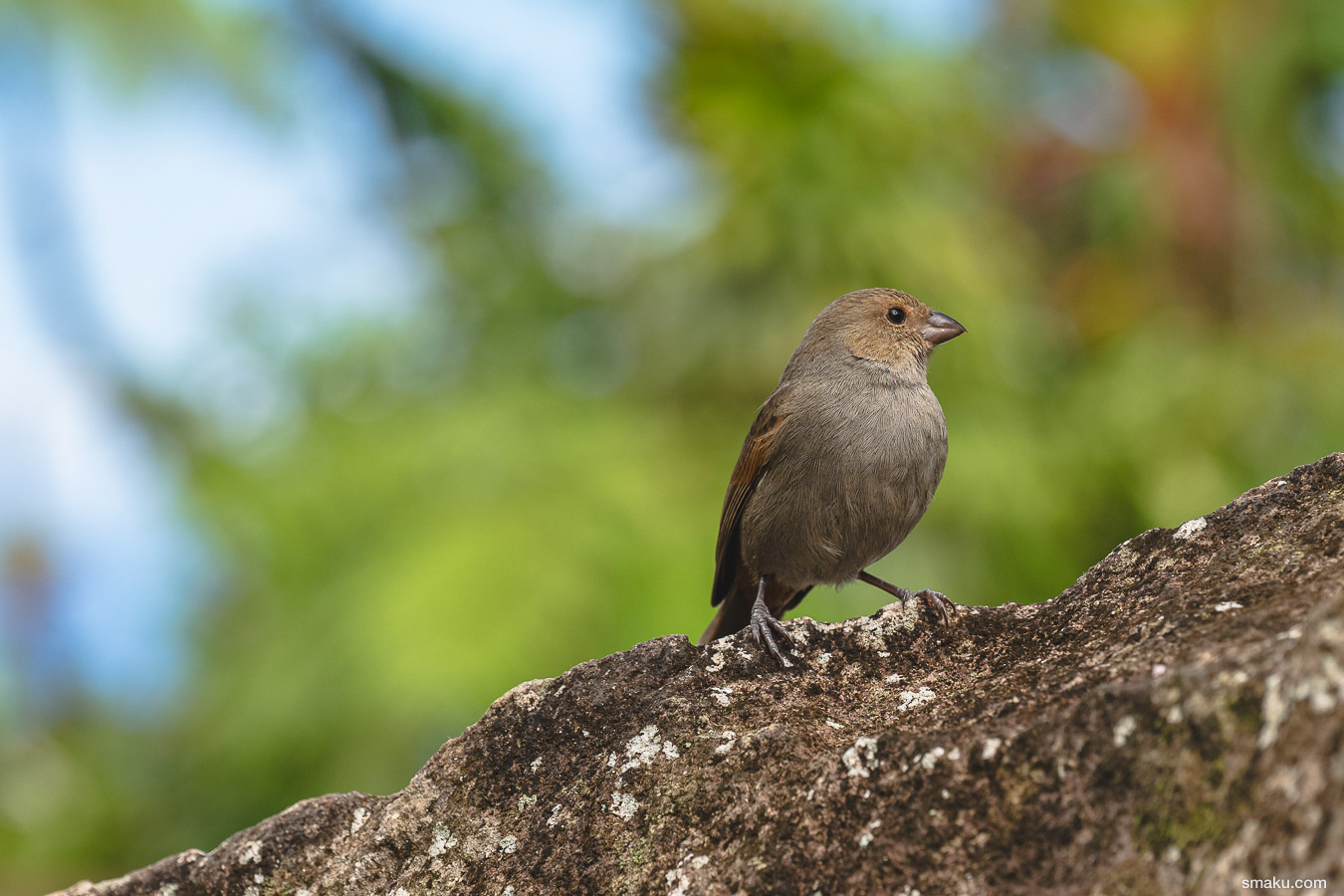
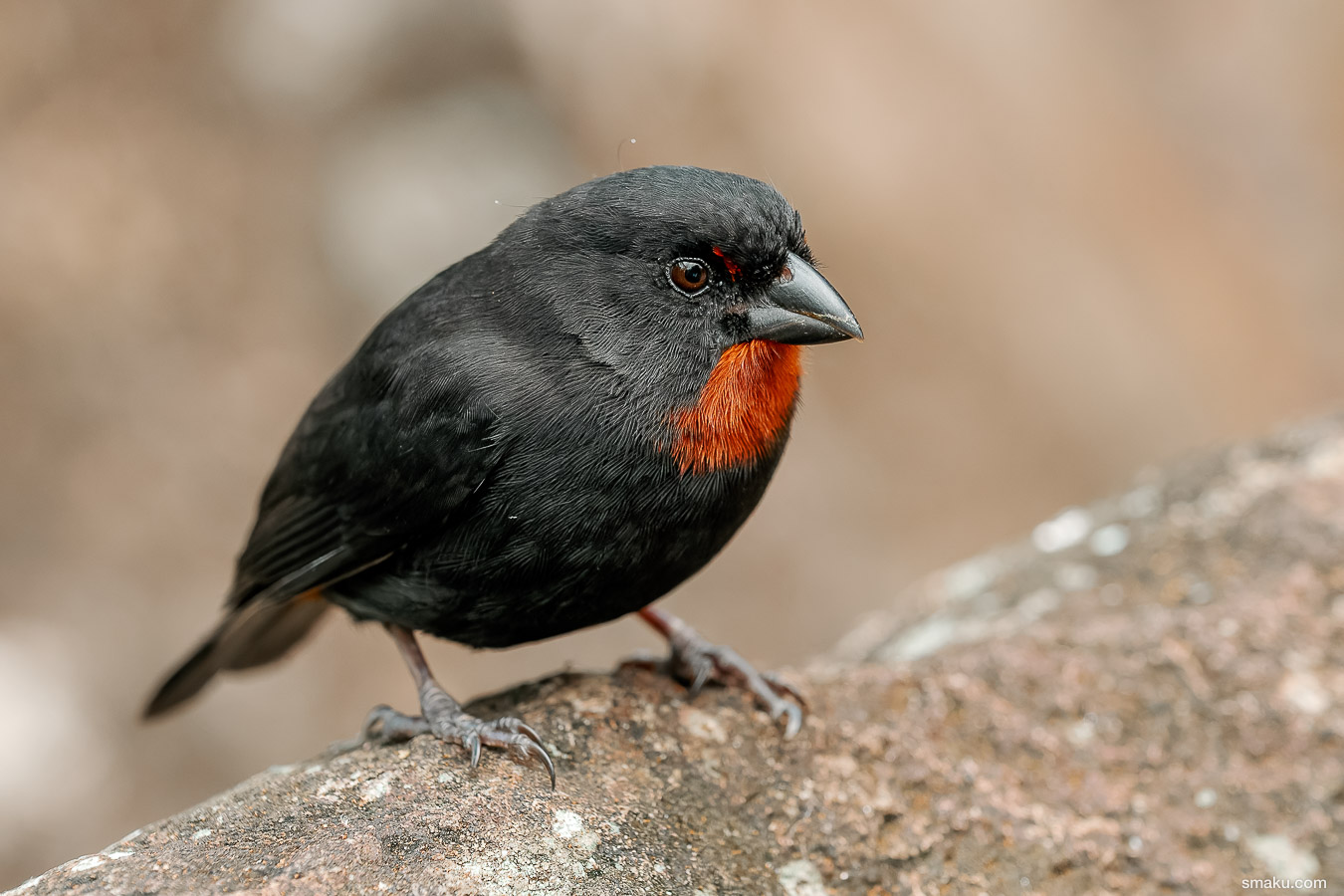
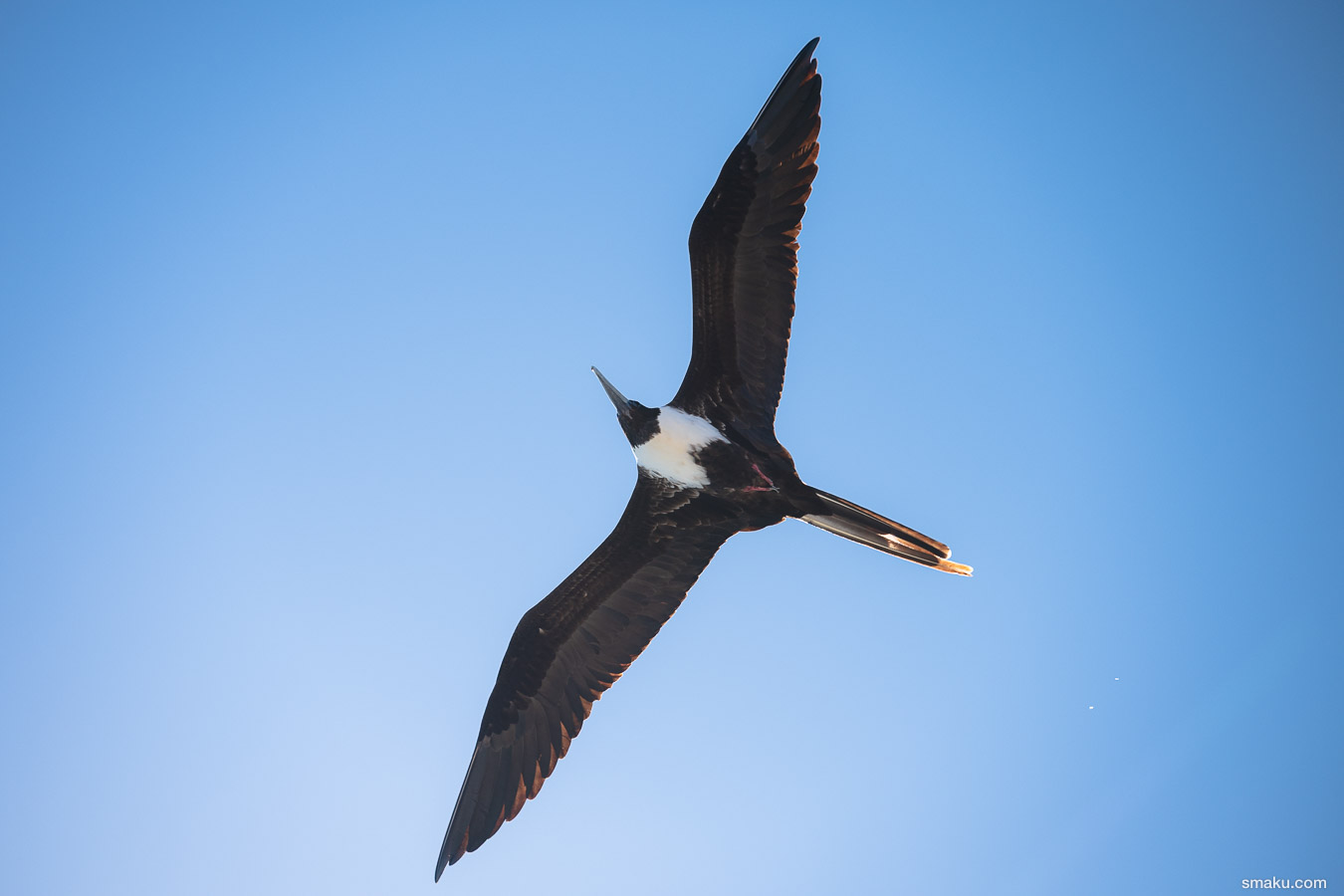
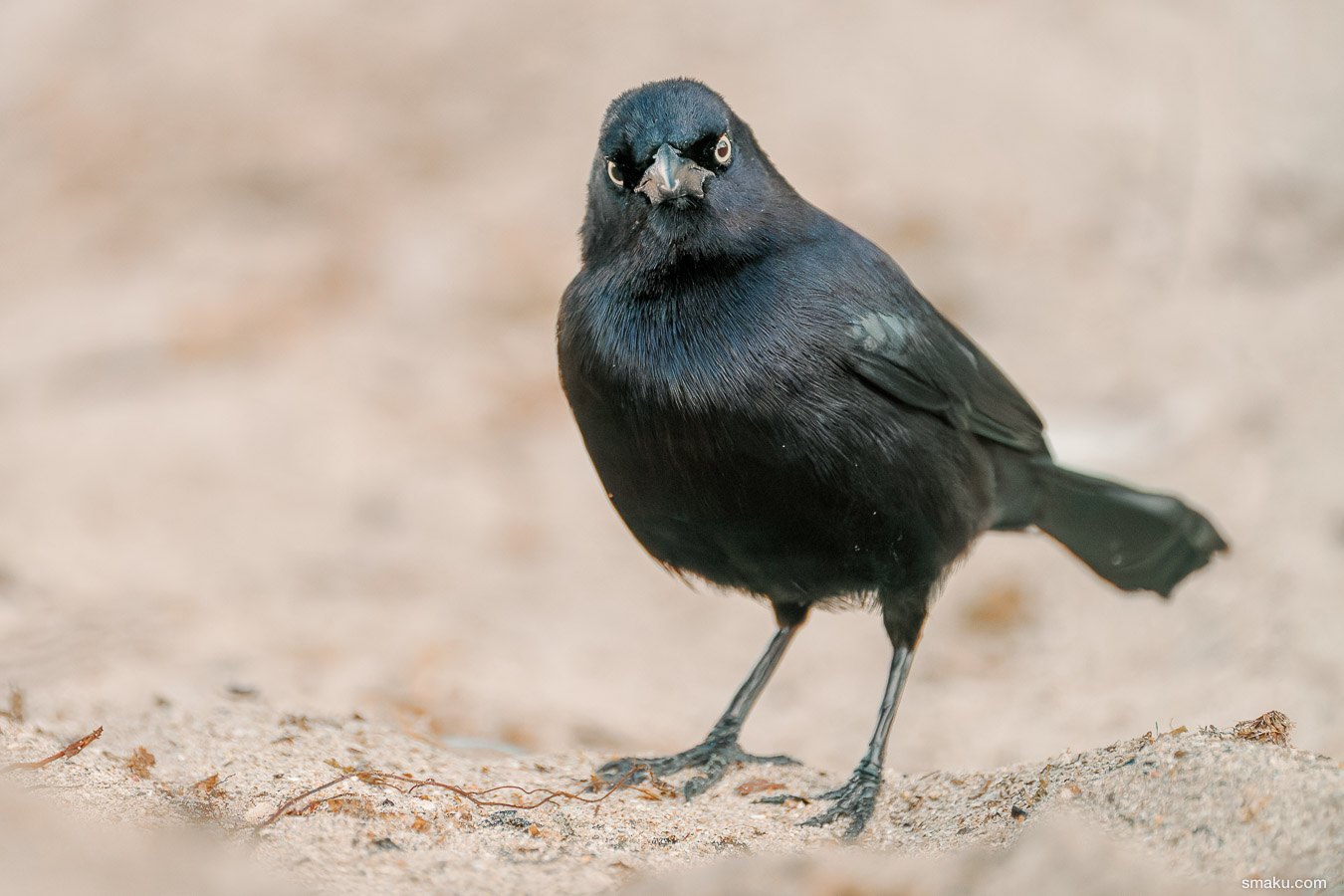
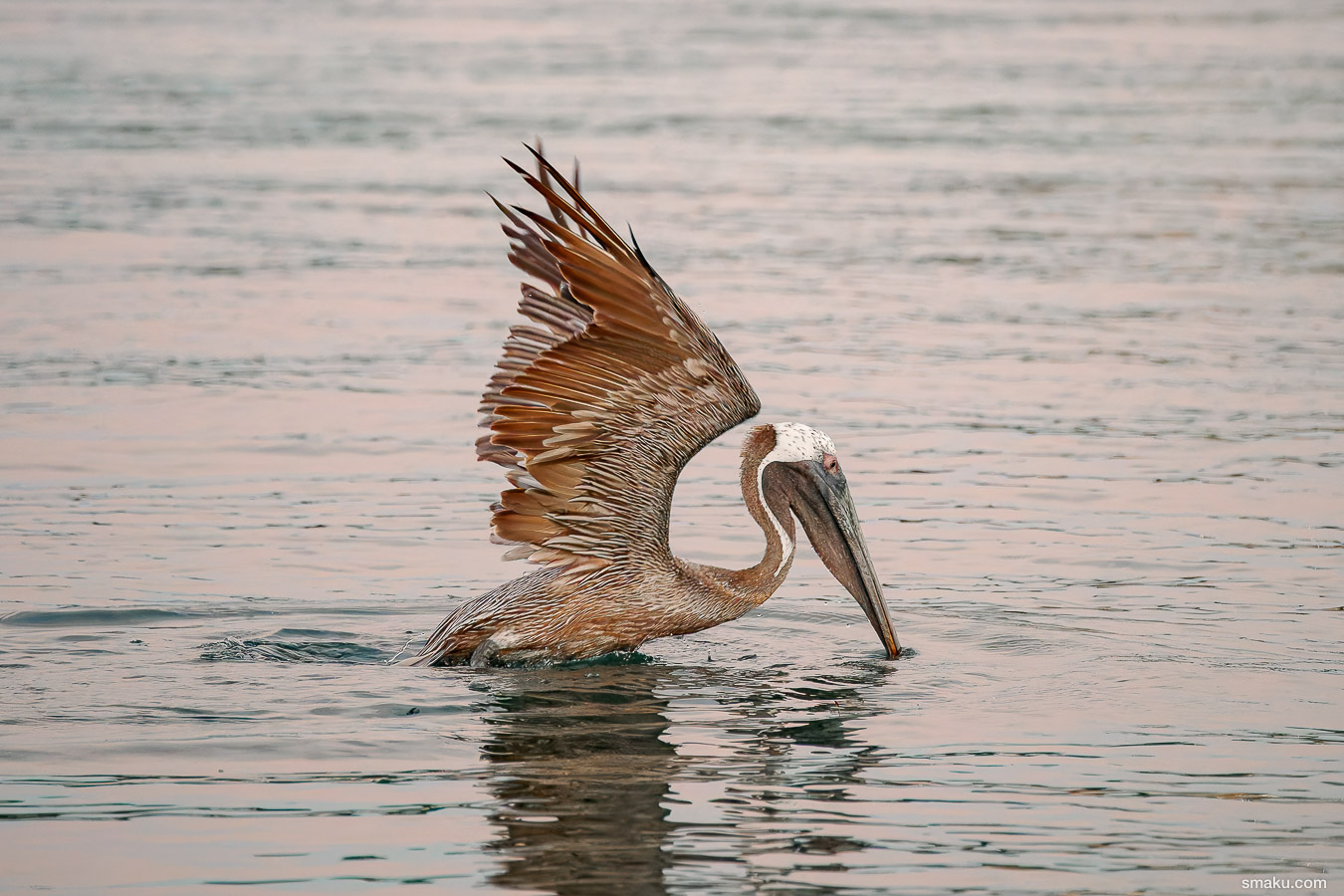
I wasn’t sure what to expect in terms of wildlife sightings but I was pleasantly surprised to see the variety that I did. From exotic birds to reptiles and cute goats, there are no shortages of wildlife to run into on your hikes—and these are all above-ground!


Final Thoughts
This was my second Caribbean island experience—the first one being the Dominican Republic. Overall, I left with a very good impression of the island, the people, and the food.
From the flat lands of Grande-Terre, the hilly landscapes of Basse-Terre, and to the many different characters the other islands offer, there are no shortages of things to do and places to explore, meeting almost anyone’s interests.
The direct flight from Air Canada helps make this itinerary more enjoyable since you’re literally just a few hours away to a tropical destination.
While it would be more convenient if you spoke and understood French, it’s still doable in many places with just English. Don’t let the language barrier stray you away from going to a naturally beautiful country. It would also be remiss to not consider the exchange rate: while not the best, it’s not the worst either!
Just remember some of the tips that I provided above, and you should be well on your way to having a terrific Caribbean getaway!
Have you been to the Guadeloupe Islands, or are planning to go? Let me know in the comments what you think of the islands, or which island was your favourite!
Hello, and many THANKS! Your info is so helpful and it is so well presented, organized in a way that is so helpful for us as first-time visitors from Boston, MA.
We would greatly appreciate the opportunity to DM you with our many questions, and ask for your suggestions and recommendations. Is this possible?
To summarize: where to stay -which island, in or near an active town ( -not Point-a-Pitre) )for 7 days( in one location)?
How to get around without a car rental?
Hoping to continue this conversation! Again, thank you.
Hi Nancy! Thanks for your comment! I can only answer so much of your question as I didn’t see all of the islands myself. Are you a beach goer or a hiker or cultural person? Point-a-Pitre is the main city so obviously it has a lot to offer. If you’re more accustomed to a quieter vibe, then I’d look into staying at Terre de Haute and/or Terre de Bas for a few nights. I was only in Terre de Haute for a day trip but I would have loved to stay there for at least two nights to really get to all the hikes and places I wanted to go to. Terre de Bas is a short ferry ride away and also offers a lot of great natural surroundings so I would have loved to see that too. I don’t know how busy you want to make your trip but a night in Point a Pitre on the first and last day and the remaining time in Terre de Bas and Haute might make for a good slower-paced trip. Basse Terre was also really nice but you’ll benefit more with a car rental as everything is spread apart there. I hope that helps! Feel free to ask more questions here if you’d like.